


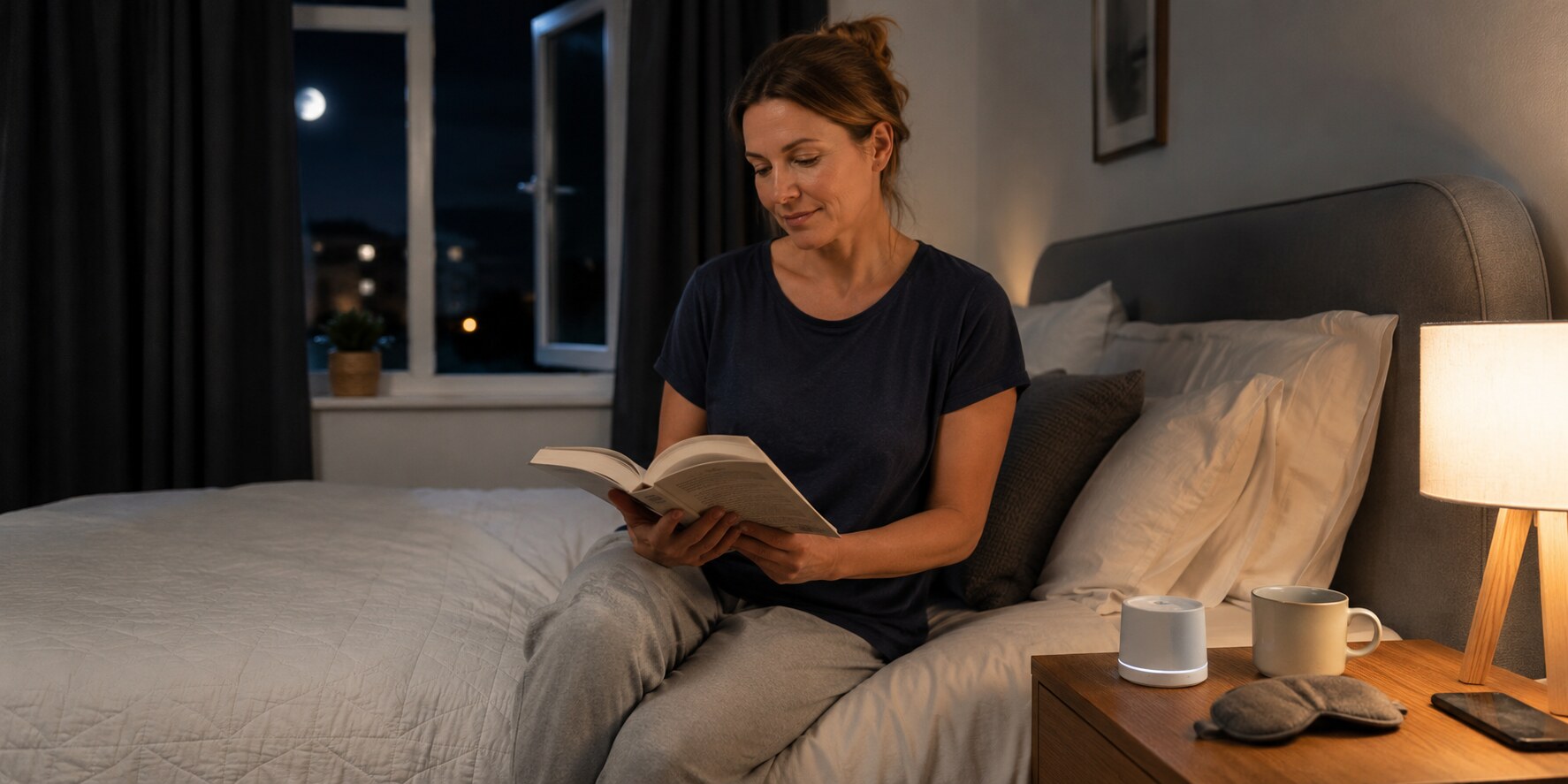
Evenings across the UK look different than they once did. Later finishing times, longer commutes, and more screen exposure have crept into hours once reserved for winding down, and each leaves its mark on the night ahead. As interest in CBD for sleep UK options and other evening habits grows, adults are increasingly looking at what they can change before bedtime.
The toll is becoming harder to ignore, with more adults reporting restless nights and mornings that feel far from refreshed. In response, many are turning to small, testable changes, hoping these adjustments can ease what has become a widespread struggle to sleep well.
Habits and CBD for Sleep UK Adults Are Testing at Night
With so many adults reporting broken or insufficient sleep, attention has turned toward the evening itself and what happens in the hour or two before lights out. Recent surveys point to small, repeatable adjustments more often than dramatic lifestyle changes, and most sit well within reach on an ordinary weeknight.
The following are among the approaches UK adults say they are trying most often, including changes to screens, bedroom conditions, caffeine intake and growing interest in CBD for sleep UK routines.
Cutting Screen Time Before Bed
Given how often screens are named as a disruptor, many adults are setting a cut-off point in the evening, whether that means putting phones in another room or switching to paper books an hour before sleep. Blue light exposure late at night has been linked to delayed melatonin release, pushing some households to introduce phone-free zones in the bedroom altogether.
Others are turning to night mode settings or grayscale displays as a smaller first step, since a full digital cut-off is not always practical on a work night. Even a partial reduction in screen use before bed is increasingly seen as worth trying.
Adjusting the Bedroom Environment
Temperature, light and noise all influence how easily the body settles, and adults have reported making changes such as blackout curtains, cooler bedding or white noise to support a calmer space. A cooler room is often mentioned as more conducive to falling asleep, and some households have started lowering the thermostat by a degree or two before bed as a small, low-effort adjustment.
Others have invested in heavier curtains or eye masks to block streetlight and early summer sunrises, while some use fans or white noise machines to soften outside noise. These changes tend to be inexpensive and easy to test, which may explain why they appear so often among the adjustments UK adults say they have tried.
Building a Wind-Down Window
Instead of jumping straight from a busy evening into bed, some people are carving out a short stretch of time beforehand for lower-stimulation activities such as stretching, reading or a warm bath. This window, often between twenty and forty minutes, signals to the body that the day is coming to a close.
Journalling and breathing exercises have also grown in popularity as ways to settle a busy mind before sleep, particularly among adults who cite racing thoughts as their main disruptor. For many, the wind-down window has become less about a single activity and more about consistency, using the same signal each night before bed.
Trying CBD Oil Before Bed for CBD for Sleep UK Routines
Alongside herbal teas and magnesium supplements, CBD has become one of the more commonly mentioned additions to evening habits. Interest in CBD for sleep UK searches has grown as adults explore a wider range of natural options alongside more familiar wind-down methods.
Some choose a CBD oil in drop form. In contrast, others prefer a spray such as the natural broad spectrum CBD MCT oil spray, and CBD oil before bed is typically taken thirty to sixty minutes before bedtime as part of a broader set of evening habits, rather than as a standalone fix. It sits alongside other adjustments people are testing, and its place within CBD for sleep UK discussions reflects growing curiosity instead of any guarantee of a particular outcome.
Reducing Afternoon Caffeine
Caffeine timing has also come under scrutiny, with many adults now stopping tea and coffee earlier in the day after linking late intake to lighter, more fragmented sleep. Some have set a personal cut-off point around early afternoon, while others have swapped a late coffee for a caffeine-free alternative without giving up the habit of a hot drink altogether.
Decaffeinated blends and herbal infusions have grown more visible on supermarket shelves as a result, reflecting how many households are adjusting their afternoon habits instead of removing caffeine outright. For some, this single change has been enough to notice a difference in how easily they settle at night.
Where UK Adults Turn for Sleep Guidance
Beyond individual habits, many adults are also looking for structured advice rather than working things out alone. NHS sleep and tiredness advice remains one of the most referenced sources for practical steps, covering everything from consistent wake times to managing worry before bed, and it continues to inform much of the guidance shared by wellness brands and sleep charities across the country.
Small Adjustments for Better Sleep Across the UK
None of these habits works in isolation, and most nights bring two or three changes layered together instead of one single fix. Better sleep across the UK is taking shape through small, sustainable adjustments that fit around otherwise busy lives, not a single dramatic overhaul.

