


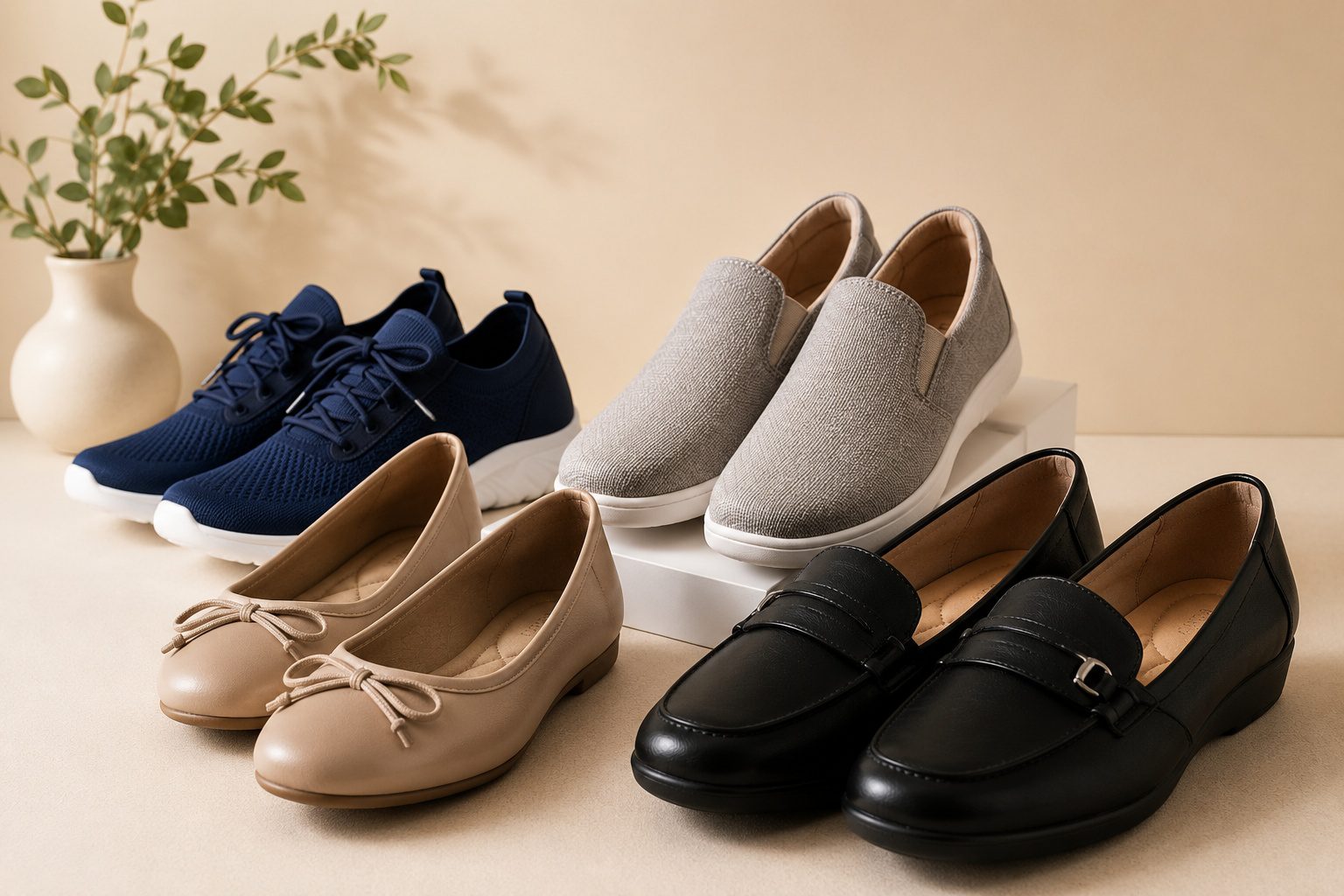
There is a certain kind of shoe that looks beautiful in the shop and becomes a personal enemy by lunchtime.
You know the type. It promises elegance. It looks perfect with the outfit. It makes you think, “Yes, this is the one.” Then, three hours later, your toes are negotiating for freedom, your heels are annoyed, and you are walking with the quiet rage of a woman who has been betrayed by footwear again.
For women with wide or extra wide feet, this story is far too familiar.
The problem is not style. The problem is that too many stylish shoes are built as if women’s feet are all narrow, delicate, and willing to suffer for aesthetics. Real feet are more interesting than that. They spread, swell, move, support weight, handle long days, and sometimes ask for a bit more room than standard shoes are willing to provide.
That is why extra wide shoes for women are not a niche luxury. For many women, they are the difference between enjoying the day and counting down the minutes until the shoes come off.
The best part? Comfort no longer has to look boring. Modern wide-fit footwear has moved far beyond the old idea of heavy, plain, “sensible” shoes that feel like a punishment for having feet with opinions. Today, style and comfort can share the same pair.
Why Standard Shoes So Often Let Women Down
Most women have had at least one pair of shoes that technically fit but never felt right.
The length was correct. The size on the box looked normal. The heel did not slip too badly. And yet the shoe squeezed across the front, pressed the toes together, rubbed the sides, or left red marks after a few hours.
That usually means the issue is width, not length.
Many people try to solve this by going up a size. It may create more space in front of the toes, but it often does not solve the pressure across the forefoot. Then the shoe becomes too long, the heel slips, and the foot still feels squeezed. It is a very annoying kind of compromise.
Extra wide shoes are different because they are designed with more room across the parts of the foot that actually need it. The toe box, forefoot, and sometimes the midfoot are given more space, while the heel and structure should still keep the foot secure.
That distinction matters. A good wide shoe should not feel oversized. It should feel properly shaped.
Wide Feet Are Normal, Not a Problem to Hide
Women’s feet can be wide for many reasons. Genetics, pregnancy, ageing, swelling, bunions, flat feet, arthritis, long hours standing, previous injuries, and natural foot shape can all play a part.
None of this is unusual.
The issue is that many shoe styles are not designed with enough variety in mind. Fashion footwear has often treated narrowness as elegance, which is unfair and, frankly, not very practical. A foot that needs more space should not be treated as a design inconvenience.
Wide feet do not mean giving up on style. They mean choosing shoes that respect the actual shape of the foot.
There is something refreshing about that. Instead of squeezing into shoes that were never made for you, you choose footwear that lets you move properly. That is not defeat. That is common sense with better outfits.
The Toe Box Is Where Comfort Begins
The front of the shoe does a lot of work. It decides whether toes can relax or whether they are spending the day in a cramped little meeting they never agreed to attend.
A narrow toe box can press the toes together and create friction. This may make bunions, hammertoes, corns, calluses, or sensitive joints feel worse. Even without a specific foot condition, cramped toes can cause tiredness and irritation by the end of the day.
A roomy toe box gives the toes space to sit more naturally. It allows the forefoot to spread when standing or walking. This is especially important for women who are on their feet for work, travel, errands, family life, commuting, or social events where sitting down is apparently not part of the plan.
The goal is not a shoe that looks huge. The goal is a shoe that gives enough space where the foot needs it, while still looking polished and wearable.
That is the magic zone: room without bulk.
Style Should Not Require Suffering
There is an old belief that if a shoe is stylish, it must be at least slightly uncomfortable. This belief has ruined many evenings.
A good outfit should not depend on hidden foot pain. A woman should be able to wear shoes that look good with jeans, dresses, workwear, wide-leg trousers, leggings, skirts, coats, summer outfits, travel clothes, and casual weekend looks without secretly planning an escape route.
Comfortable shoes can still have shape, colour, texture, detail, and personality. They can be sporty, casual, neat, soft, practical, smart, or feminine. They can work for real wardrobes, not just medical catalogues.
The most useful shoes are the ones you actually wear. A pair that looks beautiful but stays in the wardrobe because it hurts is not a fashion investment. It is shelf decoration.
Matching Extra Wide Shoes to Real Life
Different days need different shoes.
For walking, a cushioned wide-fit trainer can be a lifesaver. It should support the arch, soften impact, and give the toes room to move. For women who walk to work, travel often, shop for long stretches, or enjoy daily walks, this kind of shoe can make a real difference.
For work, the right shoe depends on the job. Someone standing in healthcare, education, retail, hospitality, or studio work may need supportive soles and slip-resistant grip. Someone in an office may want something cleaner and more polished, such as a wide-fit Mary Jane, slip-on, or casual smart shoe.
For weekends, comfort becomes more flexible. Sandals, slippers, casual trainers, and easy slip-ons can all be useful, especially when they still offer support instead of being completely flat and flimsy.
The best extra wide shoe is not just the one that fits your foot. It is the one that fits your routine.
Materials Matter More Than People Think
The material of a shoe affects how it feels through the day.
Stretchy uppers can help when there are bunions, swelling, or sensitive spots, because the material moves with the foot instead of pressing hard against it. Mesh can keep the shoe cooler, soft linings can cut down on rubbing, and cushioned insoles can make hard floors and long periods of standing easier to handle.
Support still matters, though. A shoe that is soft all over may feel comfortable at first, but it may not hold the foot well enough through the day. The best wide-fit shoes usually bring both together: gentle materials where the foot needs comfort, and enough structure to keep each step steady.
This is where many cheap shoes fail. They may feel roomy, but they do not support the foot. Or they may look nice, but the inside is stiff and unforgiving. Extra wide footwear should do more than simply offer more space. It should make the extra space comfortable and controlled.
Feet know the difference. They always know.
Cushioning Helps, But Support Matters Too
Softness feels good, especially at first. Softness helps, but it cannot do all the work.
Women dealing with heel pain, plantar fasciitis, flat feet, arthritis, bunions, or tired legs usually need support as well as cushioning. A good shoe should help spread pressure more evenly, support the arch, keep the heel steadier, and take some of the shock out of hard floors and pavements.
Cushioning gives comfort. Support gives control. If one is missing, the shoe can still feel wrong.
A shoe with lots of cushioning but poor support may let the foot move around too much, which can leave the legs feeling tired. A supportive shoe with no cushioning may feel too harsh. The best extra wide shoes combine the two: enough softness for comfort, enough structure for confidence.
That combination is what makes a shoe wearable for more than just a quick trip outside.
Swelling Is a Real Fit Issue
Feet can change size during the day. Heat, standing, walking, travel, pregnancy, medical conditions, and circulation changes can all lead to swelling.
This is where extra wide shoes can be especially useful. A shoe that feels fine in the morning may feel tight by late afternoon. If there is no extra room, pressure builds quickly.
Adjustable straps, flexible uppers, roomy toe boxes, and wide-width options can make the shoe work better with the foot as it changes through the day.
That is not only about comfort. It can also help reduce pressure, rubbing, and that tight feeling that builds up after hours of wear. It also helps reduce rubbing and pressure points.
Women should not have to choose between a shoe that fits at 9 a.m. and one that still feels wearable at 6 p.m. Real life lasts all day. Shoes should remember that.
Why the Right Fit Can Change Your Mood
This may sound dramatic, but uncomfortable shoes can change the whole energy of a day.
When your feet hurt, you move differently. You walk less. You feel more tired. You become less patient. You may avoid plans, leave early, or spend half the day thinking about your shoes instead of what you are actually doing.
Comfortable shoes do the opposite. They disappear into the background. You can walk, stand, browse, commute, work, travel, meet friends, attend events, or run errands without constant foot drama.
That is why fit matters so much. It is not vanity. It is not fussiness. It is daily quality of life.
Extra extra wide ladies shoes can make a real difference for women who have spent years trying to squeeze into standard widths that were never right for their feet.
There is a quiet kind of confidence in wearing shoes that simply fit, without pinching, rubbing, or making every step feel like a compromise.
How to Choose the Best Extra Wide Shoes
Start with how the shoe feels across the forefoot. There should be room, but not sliding. Your toes should not feel squeezed, stacked, or pushed into the front. The heel should feel secure. The arch should feel supported. The sole should match your activity.
Try shoes later in the day if your feet swell. Wear the socks or tights you normally use. Walk around properly before deciding. Do not trust a shoe just because it feels acceptable while standing still for ten seconds.
Look at the inside too. Rough seams, hard edges, stiff linings, and narrow overlays can rub in all the wrong places.
For women with bunions, sensitive toes, swelling, or other foot concerns, these small details can make the difference between a shoe that feels wearable and one that becomes painful fast.
Most importantly, do not believe painful shoes need to be broken in. A shoe may soften slightly with wear, but it should not punish you at the beginning.
Pain is not part of the style guide.
Building a Wardrobe Around Comfort
A smart shoe wardrobe does not need dozens of pairs. It needs the right pairs.
One supportive walking shoe can cover daily movement. One polished wide-fit option can work for smarter outfits. One easy slip-on can handle quick errands and casual days. One pair of sandals or slippers can support comfort at home or in warmer weather.
The goal is to stop saving comfort for emergencies. If most of your week is spent in uncomfortable shoes, one comfortable pair will not fix the whole routine. Footwear should support the life you actually live.
Once women find shoes that fit properly, they often realise how much discomfort they had been accepting as normal. That discovery can be both wonderful and slightly irritating. Wonderful because life feels easier. Irritating because the old shoes suddenly look guilty.
Style and Comfort Can Finally Be Friends
Extra wide shoes for women are no longer only about solving a problem. They are about giving more women access to shoes that feel good, look good, and work with real bodies.
Fashion should not be limited to narrow feet. Comfort should not be limited to plain designs. Women should not have to choose between looking put together and getting through the day without foot pain.
The best extra wide shoes offer space, support, cushioning, stability, and style in one place. They respect the foot without ignoring the outfit.
And that is the real point. A shoe should help you move through life, not distract you from it.
Final Thoughts
Women who need extra wide shoes are not asking for something unusual. They are asking for footwear that fits properly.
The right pair can ease pressure, support the feet through long days, allow for swelling, and make walking feel easier without looking out of place in everyday life. Whether the day involves work, travel, shopping, family, events, or a simple walk outside, shoes should make movement feel easier.
Style and comfort do not have to compete. The best shoes prove they can work together.
After all, confidence is much easier when your toes are not silently planning a rebellion.