

Buying a DTF printer is a big decision if you want to start or grow a custom apparel business. DTF printing lets you create high-quality designs on t-shirts, hoodies, and many other items with bright colors and good durability. This guide explains everything you need to know to make a smart purchase. We will cover the basics, key features, different sizes, costs, and practical tips.
What Is DTF Printing and Why Consider It?
DTF stands for Direct to Film. You print your design onto a special film, add adhesive powder, and then heat press it onto fabric. The result is a soft, stretchy print that works on cotton, polyester, dark colors, and even some non-fabric items.
Many people choose DTF because it is great for small orders. You can print one shirt or a few dozen without high setup costs. Compared to screen printing, DTF is faster for custom work and needs less inventory. Compared to DTG, it handles dark fabrics more easily and often produces more durable prints.
If you sell custom clothing online, run a small shop, or make products for events, a DTF printer can help you deliver orders quickly and keep costs low.
Types of DTF Printers
DTF printers come in different sizes to match different needs.
A4 printers are the smallest and cheapest. They are good for beginners who print very small batches or mainly make small designs.
A3 printers offer a better balance. They can print most full adult t-shirt designs in one go and still fit in small workspaces. Many new users start with an A3 model.
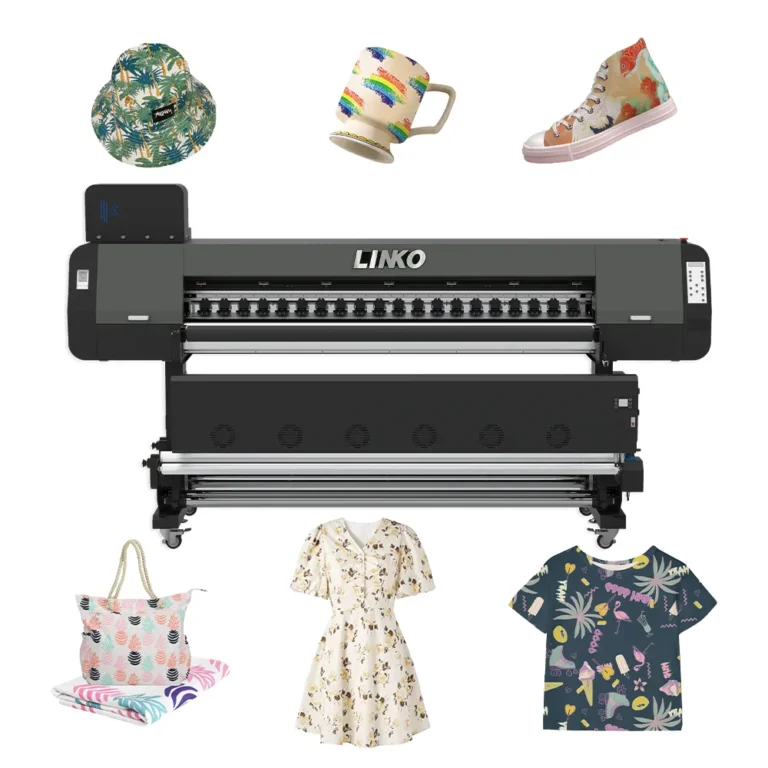
Larger printers, such as 60cm or 1.6 meter roll printers, are built for higher volume. They work with rolls of film and can handle big daily orders, but they cost more and need more space.
Think about how many items you plan to print each week. Most small businesses do well with A3 or 60cm models.
Key Factors to Consider Before Buying
Budget is usually the first concern. Entry-level A3 DTF printers can start from a few thousand dollars, while full setups with heat press and supplies cost more. Remember to include ongoing costs like ink, film, and powder.
Print speed matters if you have deadlines. Faster machines save time but usually cost more. Resolution is important for sharp details and photos. Look for at least 1440 dpi.
White ink system is very important. Good printers have automatic circulation or stirring to prevent clogs. Poor white ink handling is one of the most common complaints.
Reliability and support are critical. Choose brands with good reviews, easy parts availability, and helpful customer service. Warranty length and local support also make a difference.
Software is another key point. User-friendly RIP software makes color management and printing much easier for beginners.
Essential Features to Look For
Here are the features that separate good DTF printers from average ones:
- Stable print head with good white ink performance
- Automatic or semi-automatic powder application system
- Built-in heater or curing station for the film
- Easy maintenance access for cleaning
- Strong adhesion and wash durability
- Quiet operation if you work in a small space
Some newer models include touch screens, automatic cleaning cycles, and better waste ink systems. These small improvements can save you hours of work each month.
How Much Does a DTF Printer Cost?
A complete beginner setup with an A3 printer, heat press, and starter supplies usually runs between $3,000 and $8,000. Mid-range 60cm printers with better speed can cost $10,000 to $18,000. Industrial large-format machines go much higher.
Do not forget running costs. Ink and film for an average adult design often cost $1 to $4 depending on size and color coverage. Factor this into your pricing.
Many buyers start with a basic package and upgrade later. This approach reduces risk while you learn the process.
Setting Up and Operating Your DTF Printer
Setup is straightforward but needs a proper workspace. You need a clean, level table, good ventilation, and stable power. Most printers connect to a regular computer.
The full workflow includes designing, printing on film, applying powder, curing, and heat pressing. Each step is simple but requires practice to get consistent results.
Take time to learn proper temperature and pressure settings for different fabrics. Test washes are important so you can stand behind your product quality.
Maintenance is ongoing. You must clean print heads regularly and keep the machine in a room with controlled temperature and humidity. Good daily habits prevent most problems.
Common Mistakes to Avoid
Many new buyers rush in and choose the cheapest option. This often leads to frustration with poor print quality or frequent breakdowns.
Another mistake is underestimating the learning curve. Plan to spend the first two to four weeks learning and testing instead of taking real orders.
Do not ignore after-sales support. A cheap printer with no help can become very expensive when things go wrong.
Always buy from suppliers who provide training materials, video guides, and fast parts service.
Who Is a DTF Printer Best For?
DTF printers work well for:
- Home-based side hustles
- Small custom apparel businesses
- Print shops offering personalized products
- Schools, sports teams, and event organizers
- Creators selling merch on social media
If you expect very high daily volume (hundreds of shirts per day), you may eventually need a larger machine. For most users, a good A3 or 60cm model is enough to build a profitable business.
Tips for Making the Right Choice
Start by defining your goals. How many items do you want to print per week? What kinds of products will you offer? What is your maximum budget?
Read real user reviews and watch long-term update videos. Join online communities where DTF users share experiences.
Compare at least three different options before deciding. Look at total cost of ownership, not just the printer price.
For reliable machines, good support, and a wide range of options, visit dtflinko.com. They offer different models to match various business sizes and budgets.
Future of DTF Printing Technology
DTF technology continues to improve. Newer printers are faster, more automated, and easier to maintain. Inks are becoming more vibrant and environmentally friendly. Software is getting smarter with better color matching and workflow tools.
The demand for custom and on-demand apparel keeps growing. A good DTF printer positions you to take advantage of this trend for years to come.
Final Thoughts
A DTF printer is a powerful tool that can help you turn creative ideas into real products quickly and profitably. By understanding the different sizes, key features, and realistic costs, you can choose the right machine for your needs and avoid expensive mistakes.
Take your time, do your research, and start with equipment that matches your current volume. Focus on learning the full process and delivering great quality. Many successful custom clothing businesses today started with a single DTF printer in a garage or small studio.
The custom apparel market is still growing. With the right DTF printer and some effort, you can build a strong business that gives customers exactly what they want.