

Urban living has evolved far beyond location and square footage. Today’s property buyers and renters are increasingly influenced by lifestyle considerations that extend into fashion, beauty, and personal expression. As cities grow more dynamic and competitive, developers and designers are rethinking how residential spaces can reflect not just functionality, but identity.
This shift is particularly visible in modern developments that prioritize aesthetics, flexibility, and experience. From curated interiors to amenity-driven living, the line between property design and lifestyle branding is becoming increasingly blurred.
The Rise of Lifestyle-Centric Property Design
In recent years, property developers have recognized that buyers are no longer simply investing in a home—they are investing in a lifestyle. This has led to a surge in developments that integrate elements traditionally associated with fashion and beauty, such as visual storytelling, trend awareness, and personalization.
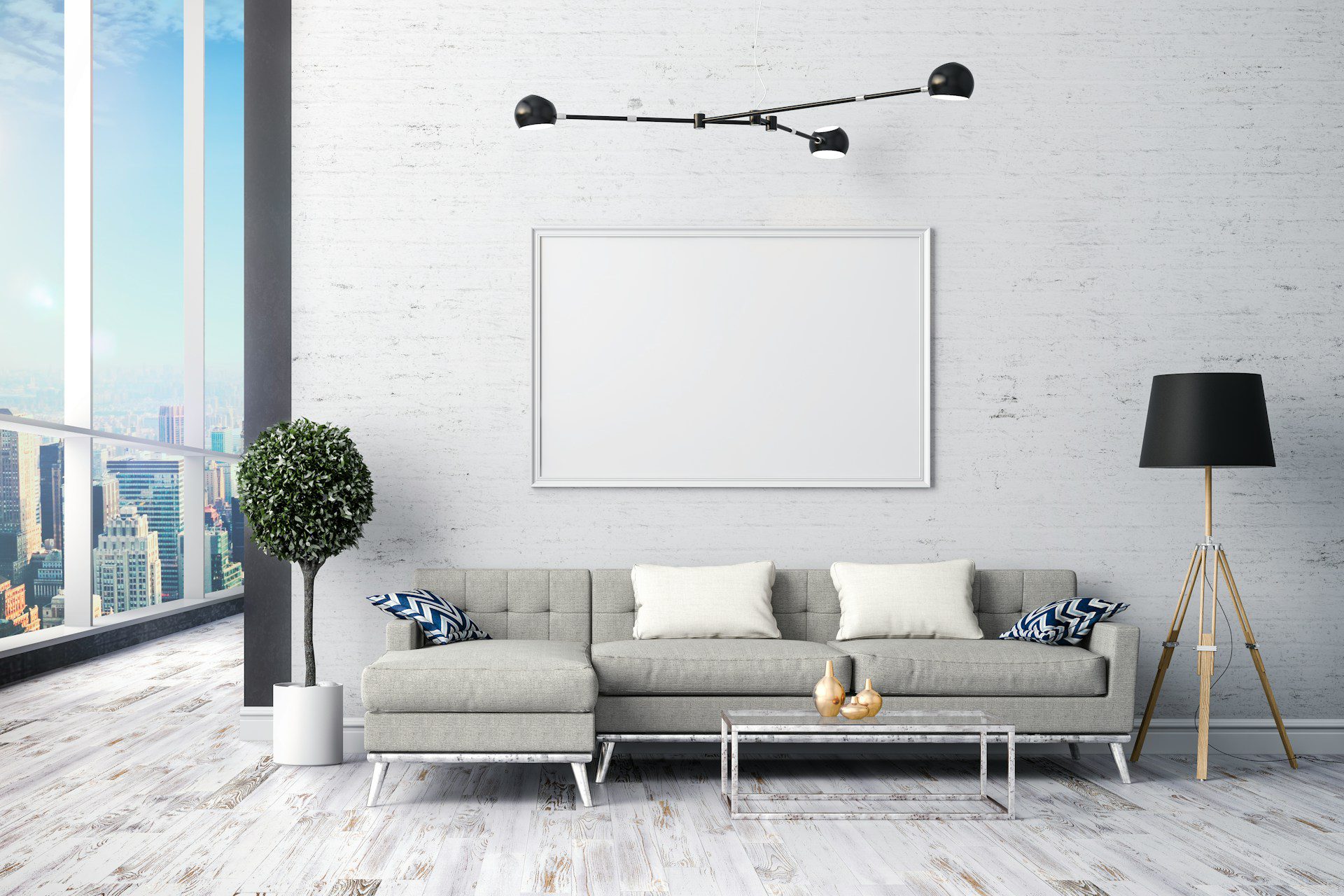
Show homes, for instance, are now styled with the same attention to detail as editorial spreads. Neutral palettes are complemented by bold accents, textured fabrics, and statement pieces that reflect current design trends. These spaces are crafted to evoke emotion, helping potential buyers imagine how their own personal style can fit within the environment.
Moreover, communal areas in residential buildings are being designed with lifestyle in mind. Co-working lounges, wellness rooms, and social spaces are curated to align with contemporary urban living habits. Developers are effectively creating environments that mirror the aspirational lifestyles often seen in fashion and beauty media.
This approach not only enhances the appeal of a property but also strengthens its marketability. Buyers are more likely to engage with spaces that feel relevant, modern, and aligned with their personal identity.
Fashion and Beauty as Influencers of Interior Trends
Fashion and beauty trends have always had a subtle influence on interior design, but their impact is now more pronounced than ever. Colour palettes, materials, and even spatial layouts are increasingly inspired by what is trending on runways and social platforms.
For example, the popularity of minimalist fashion has translated into clean, uncluttered interiors with a focus on quality over quantity. Similarly, bold and expressive beauty trends have inspired the use of vibrant colours and artistic elements in living spaces. This cross-industry influence allows properties to feel current and culturally connected.
Social media plays a significant role in this evolution. Platforms like Instagram and Pinterest have become key sources of inspiration for both consumers and designers. A well-designed apartment or communal space can quickly gain visibility online, enhancing a development’s reputation and desirability.
In addition, the concept of “ready-to-live” spaces is gaining traction. Buyers are drawn to properties that require minimal effort to style, allowing them to move in and immediately enjoy their surroundings. This aligns with the convenience-driven mindset seen in beauty innovations, where products are designed to simplify routines without compromising on quality.
Within this broader lifestyle ecosystem, even small details can contribute to the overall perception of a property. Thoughtfully designed storage solutions, well-lit vanity areas, and multifunctional spaces cater to modern routines. Subtle lifestyle touches—such as incorporating convenient beauty solutions like gel nail stickers—can further enhance the sense of practicality and modern living.
The Future of Urban Living and Property Appeal
Looking ahead, the integration of fashion and beauty into property design is expected to deepen. As technology continues to influence both industries, we are likely to see more personalized and adaptive living environments.
Smart home features, for example, are already allowing residents to customize lighting, temperature, and even ambiance to suit their preferences. In the future, this level of personalization could extend to interior design elements, enabling spaces to evolve alongside changing trends and individual tastes.
Sustainability will also play a crucial role. Just as the fashion and beauty industries are moving toward more ethical and eco-friendly practices, property developers are under increasing pressure to adopt sustainable materials and energy-efficient solutions. This alignment of values is important for modern buyers, who are more conscious of their environmental impact.
Furthermore, the concept of mixed-use developments is gaining momentum. By combining residential, retail, and lifestyle spaces, developers can create vibrant communities that offer convenience and variety. These environments reflect the interconnected nature of modern urban life, where work, leisure, and self-expression coexist seamlessly.
Ultimately, the properties that stand out in today’s market are those that go beyond basic functionality. They tell a story, reflect current trends, and provide a platform for personal expression. By embracing influences from fashion and beauty, developers can create spaces that resonate with contemporary buyers and set new standards for urban living.
As the boundaries between industries continue to blur, one thing is clear: the future of property lies in its ability to adapt, inspire, and reflect the lifestyles of those who inhabit it.