


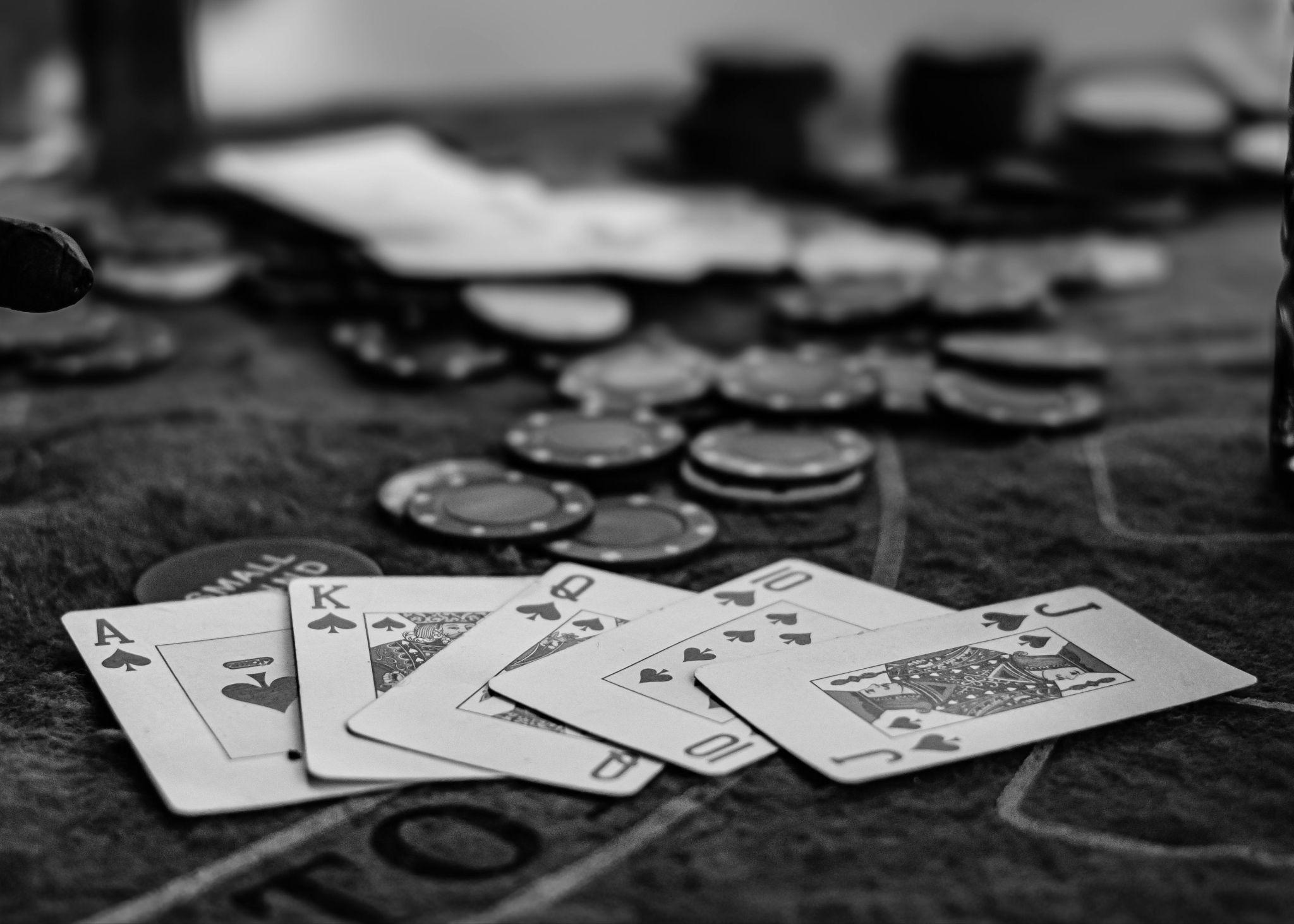
Poker is one of the few card games where skill wins over time. The path from first deposit to steady profit, however, is littered with avoidable errors and the poker mistakes beginners repeat are surprisingly few. Most losses come from the same handful of leaks draining bankrolls week after week.
Understanding these errors early flattens the poker learning curve faster than any single training video. The fundamentals – bankroll math, position, and hand selection can be drilled at low stakes before they turn into expensive habits. Players who play online at BC.Poker at micro-buy-ins builds the instincts professionals rely on in a safer environment. This online poker guide breaks down what beginners actually do wrong and how to fix each mistake.
The Patterns Behind Common Poker Errors
Almost every beginner leak fits into one of a few mental patterns. Naming the pattern makes the cure easier to apply.
The most common beginner poker mistakes share these underlying patterns:
- Treating poker as gambling rather than skill – playing for action instead of expected value
- Focusing on personal cards instead of opponents – ignoring what others might hold
- Skipping bankroll math – buying in for sums that risk session-ending tilt
- Letting emotion drive decisions – chasing losses or punishing successful bluffers
- Underestimating position – playing every seat the same way
- Avoiding post-session review – never checking which hands actually lost money
- Copying advanced moves without context – running triple barrels at stakes where nobody folds
The next section maps these patterns onto the ten mistakes that cost beginners the most money.
Playing Too Many Hands
Beginners enter pots with hands like Q-7 offsuit because the cards look playable. They are not. Loose preflop ranges create dominated postflop spots – making second-best pairs and paying them off. The fix is unglamorous: a written starting hand chart by position, ruthlessly applied.
Ignoring Position
Acting first means deciding without information. Acting last means deciding with it. Beginners open K-J offsuit under the gun, get cold-called by the cutoff, and end up out of position against a strong range. Tighten sharply from early seats and widen only on the cutoff and button.
Poor Bankroll Management
Sitting in a $100 cash game with $200 to your name is a guaranteed bust eventually. Solid poker bankroll management means at least 20–30 buy-ins for cash games and 50 for tournaments. Variance ruins under-rolled players regardless of skill. Move down before the stakes hurt.
Emotional Decisions (Tilt)
Tilt separates a winning month from a losing one. After a cooler and over-pair losing to runner-runner trips, say beginners chase, raise wider, and call lighter, compounding losses. The defence is procedural: a stop-loss in buy-ins, a forced break after a bad beat, and honest self-awareness of personal tilt triggers.
Overvaluing Weak Hands
A top pair with a weak kicker is not a value-betting machine. Beginners three-bet A-9 offsuit, flop top pair, and refuse to fold when an aggressive opponent jams the river. Hand strength is relative to opponent ranges, not absolute pair quality calibrate to what villains are actually betting with.
Lack of Strategy Adaptation
Running the same lines against every opponent is a slow leak. Tight-aggressive players fold too often on turns; loose-passive players never fold to value bets. C-betting 75% pot against both prints once and breaks twice. Read basic tendencies in the first orbits and adjust bet sizing accordingly. One playbook is not a plan it is a tax.
Not Studying Opponents
Beginners stare at their own cards. Intermediates watch the action. Sizings, timing, and showdown patterns leak information every hand. Tag at least one note per regular: calls light, folds to 3-bets, barrels missed turns.
Misreading Table Dynamics
A table of nits plays nothing like one with three calling stations. Open A-J offsuit, c-bet 75% pot on 9-7-3, and you get a fold at one table and three calls at the other. Read the lineup within ten hands and adjust opens and bluff frequency to fit it.
Overconfidence After Wins
A winning session does not validate every decision in it. Beginners ride a heater into looser ranges and stakes they cannot defend if variance turns. Track results across thousands of hands, not single sessions, and never move up on one hot weekend.
Inconsistent Discipline
Poker discipline separates players who improve from those who plateau. Skipping reviews, ignoring stop-losses, or playing tired turns small leaks into permanent ones. Build a session routine – preparation, stop-loss, review and follow it hot or cold.
How to Improve Fast
The fastest poker strategy tips for beginners are unglamorous: study, review, repeat. Spend one hour off the table for every five on it. In practice: replay the biggest pots in tracking software like Hold’em Manager or PokerTracker, mark every hand where the line was unclear, and run the toughest spots through a solver or training site.
Volume only helps when paired with feedback. Knowing how to play poker better demands honest self-assessment, a hand-history journal, peer review of tough spots, and treating losing hands as data rather than misfortune. Pick one leak per week and focus on it exclusively. Beginner poker strategy improves fastest when ego steps aside and process takes over.
Poker Discipline
Learning to avoid poker mistakes is not about memorizing tricks. It is about removing the leaks that already drain most beginner bankrolls. Tight ranges, position awareness, bankroll math, and emotional control sit underneath everything else. Players who master them early flatten their learning curve far faster than peers chasing fancy plays. Long-term success belongs to those who keep studying and treat every session as one more piece of a longer graph. Discipline compounds. So do mistakes, if left unfixed.