


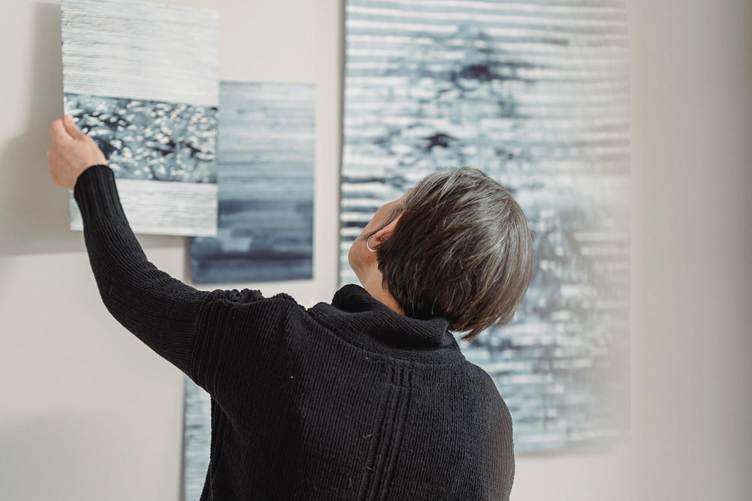
Whether it’s a bold contemporary canvas, a delicate watercolour, or a treasured piece inherited from family, art brings character, story, and soul into a home. But once you’ve found a piece you love, knowing how to show it off while keeping it safe can make all the difference. From smart placement and lighting to security and protection, here’s how to get it right.
Pick the right spot
Where you hang your art can impact everything from how it’s perceived to how long it lasts. Avoid placing pieces in direct sunlight, as UV rays can fade pigments and damage paper or fabric. Similarly, skip overly humid areas like bathrooms unless the work is specifically designed for those conditions, as moisture can warp materials over time.
Hallways, living rooms, and home offices tend to be safe bets. Think about sightlines too: art should be hung at eye level, roughly 145–150 cm from the floor to the centre of the piece, and it should feel proportionate to the wall it’s on. A single small frame on a large wall will feel lost, while a large piece in a narrow space can overwhelm.
Get the lighting right
Great lighting makes a huge difference in how art is experienced in a home. Aim for soft, indirect light that won’t cast harsh shadows or create glare on glass frames. If you want to go the extra mile, invest in picture lights, ceiling-mounted spotlights, or track lighting angled specifically to highlight your favourite works.
For sensitive or valuable pieces, consider museum glass. Depending on its specification, museum glass can provide UV protection and reduce reflections. However, protective glazing does not make direct sunlight suitable for delicate artwork.
Choose the right frames and mounts
A good frame is like a good outfit: it should complement the art without overpowering it. Go for materials and finishes that fit the style of your home and the tone of the piece. Acid-free mounts and backing are important if you’re framing works on paper, as they can help preserve the artwork over time.
Moreover, different frames offer varying levels of protection for your artwork. If you’re displaying a series or gallery wall, keep consistency in mind. Using similar frame styles or colour schemes can help everything feel more cohesive, even if the artworks themselves are different.
Secure it properly
It’s easy to underestimate how important hardware is until a piece takes a tumble. Always use fixings appropriate for your wall type and the weight of the piece. For heavy or high-value works, consider professional installation.
If you live in an area prone to earthquakes or your household includes playful pets or curious children, security hooks or museum-style hanging systems can provide extra peace of mind. Remember to check the hardware regularly and adjust it when needed.
Think about insuring your collection
Whether your collection includes a few beloved prints or a single one-of-a-kind original, protecting your investment is just as important as displaying it well.
For those in Australia, comparison sites such as Compare the Market can help you explore home and contents insurance options. Before choosing a policy, check whether artwork is covered, what exclusions apply and whether valuable pieces need to be listed separately. Keep photographs, receipts and any valuations with your records.
Bringing art into everyday life
Art has a unique ability to make a house feel like a home, and when displayed thoughtfully, it becomes a true part of everyday life. With careful planning, you can create a space that highlights your favourite pieces while helping to protect them for the long term.
For more home styling ideas, explore PAD Magazine’s home décor section for inspiration on creating a space that complements your artwork and personal style.

