

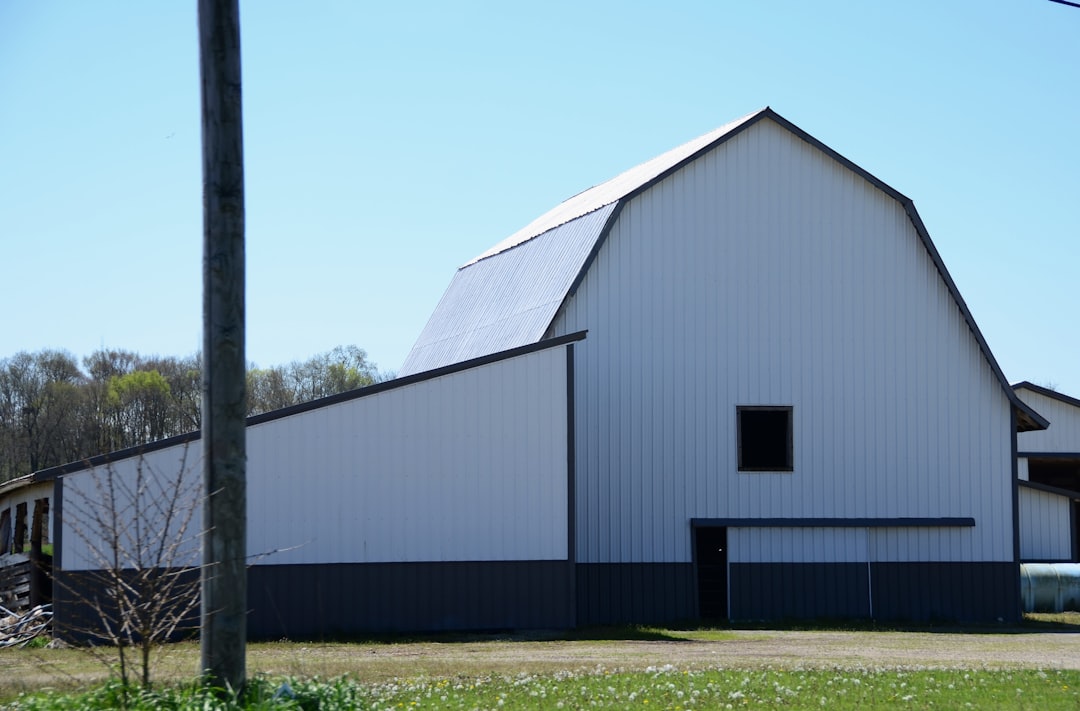
Barn conversions have become one of the most sought-after property transformations in the UK, particularly in counties like Essex where countryside charm meets modern living. Converting a traditional agricultural building into a stylish, functional home offers a unique blend of character and comfort. However, these projects are far more complex than standard renovations, making the choice of architect absolutely critical.Unlike new builds, barn conversions require a careful balance between preserving heritage features and introducing modern design elements. From exposed beams and vaulted ceilings to large open-plan layouts, every decision needs to respect the original structure while enhancing its usability. This is where a skilled architect becomes invaluable, guiding you through both creative and technical challenges. When searching for barn conversion architects in essex, it’s essential to choose someone with specialist knowledge rather than a generalist. A professional with direct experience in barn conversions will understand structural constraints, planning regulations, and design opportunities that others may overlook. This ensures your project not only looks stunning but is also practical, compliant, and built to last.
Proven Experience in Barn Conversions
One of the first things to check when hiring an architect is their experience with similar projects. Barn conversions come with their own set of challenges—irregular layouts, ageing materials, and structural limitations that require innovative thinking.
An experienced architect will know how to retain key features like timber frames and original brickwork while integrating modern comforts such as insulation, heating systems, and natural lighting. They’ll also anticipate potential issues early, helping you avoid costly surprises later on.
Ask to see a portfolio of completed barn conversions. Pay attention to how each project balances old and new elements, and whether the designs feel cohesive and well thought out.
Strong Understanding of Local Planning Regulations
Planning permission is often one of the most complex aspects of a barn conversion, especially in Essex where rural areas may fall under conservation or green belt regulations. Some barns may also be listed buildings, which adds another layer of restrictions.
A knowledgeable architect will be familiar with local council requirements and permitted development rights. They can advise you on what is possible, prepare detailed planning applications, and liaise with authorities on your behalf.
This expertise can significantly increase your chances of approval while saving you time and stress. Without it, you may face delays or even rejection of your plans.
Creative Vision and Design Approach
Barn conversions offer incredible design potential, but unlocking that potential requires creativity and vision. The right architect will take the time to understand your lifestyle, preferences, and long-term goals before developing a tailored design.
They should be able to suggest innovative ideas such as mezzanine levels, floor-to-ceiling glazing, or clever zoning of open spaces. At the same time, they must respect the building’s original character, ensuring that new additions feel harmonious rather than intrusive.
A good architect doesn’t just design a house—they create a home that reflects your personality while making the most of the building’s unique features.
Effective Communication and Collaboration
Clear communication is essential for any successful project. From your initial consultation to the final stages of construction, you should feel confident that your architect understands your vision and keeps you informed throughout the process.
Look for someone who listens carefully, answers your questions clearly, and provides regular updates. They should be approachable and open to feedback, ensuring that your ideas are incorporated into the design.
Strong collaboration between you and your architect leads to better decision-making and a smoother overall experience.
Project Management Expertise
Barn conversions often involve multiple professionals, including structural engineers, builders, and interior designers. Coordinating all these elements can be challenging, particularly if you’re unfamiliar with the construction process.
Many architects offer project management services, overseeing everything from initial design to final completion. This can be a huge advantage, as it ensures consistency, reduces miscommunication, and keeps the project on track.
If you prefer a hands-off approach, choosing an architect who can manage the entire process is well worth considering.
Budget Awareness and Cost Transparency
Barn conversions can vary widely in cost depending on the size, condition, and complexity of the building. It’s important to work with an architect who understands your budget and can design accordingly.
A good architect will provide realistic cost estimates and help you prioritise spending. They might suggest where to invest for maximum impact—such as structural improvements or high-quality materials—and where you can save without compromising the overall design.
Transparency is key. Make sure you understand their fees, payment structure, and any additional costs before committing.
Focus on Sustainability and Energy Efficiency
With rising energy costs and increasing environmental awareness, sustainability has become a major consideration in home design. Barn conversions provide an excellent opportunity to incorporate energy-efficient solutions. An experienced architect can recommend options such as underfloor heating, high-performance insulation, solar panels, and energy-efficient glazing. These features not only reduce your carbon footprint but also lower long-term running costs. Designing with sustainability in mind ensures your home is future-proof and aligned with modern living standards.
Attention to Structural Integrity
Older barns may have structural weaknesses that need to be addressed before conversion can begin. This might include reinforcing foundations, repairing timber frames, or replacing parts of the roof. A skilled architect will work closely with structural engineers to assess the building and develop solutions that maintain its integrity while making it safe and habitable. This stage is crucial, as overlooking structural issues can lead to serious problems down the line.
Reputation and Client Feedback
Before hiring an architect, take the time to research their reputation. Look for reviews, testimonials, and case studies from previous clients. Positive feedback can give you confidence in their ability to deliver high-quality work.You might also ask for references or visit completed projects if possible. Seeing their work in person can provide valuable insight into their design style and attention to detail.A well-regarded architect is more likely to provide a professional, reliable service.
Flexibility and Problem-Solving Skills
No barn conversion project is without challenges. Unexpected issues can arise at any stage, from structural complications to planning delays. This is why flexibility and problem-solving skills are so important.A good architect will remain adaptable, finding practical solutions without compromising the overall vision. Their ability to think creatively under pressure can make a significant difference in keeping your project on track.
Final Thoughts
Hiring the right architect is one of the most important decisions you’ll make when planning a barn conversion in Essex. It’s not just about design—it’s about expertise, communication, and the ability to navigate a complex process with confidence.By choosing a professional with proven experience, local knowledge, and a strong design approach, you can transform an old barn into a stunning, functional home that perfectly suits your lifestyle. With the right support, your barn conversion journey can be both rewarding and truly inspiring.