


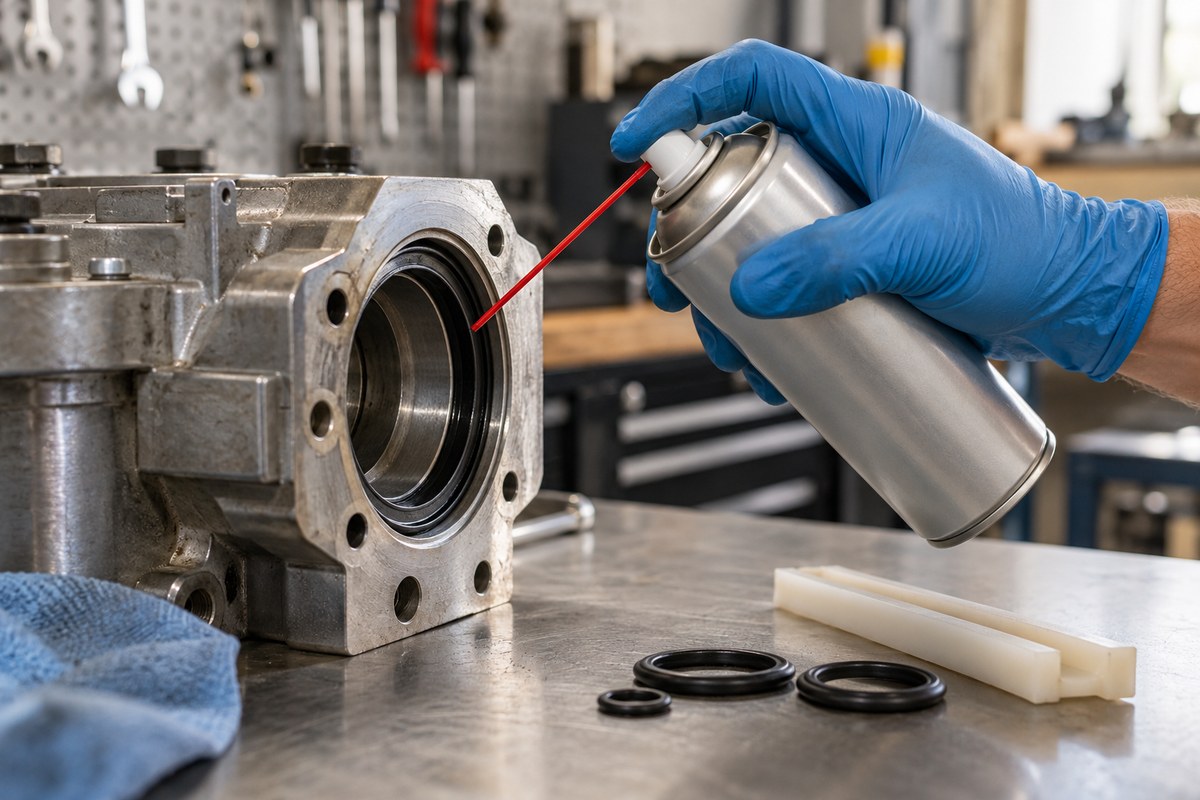
Silicone-based lubricants can reduce friction, prevent sticking and provide water-resistant lubrication in suitable maintenance applications. They can help with rubber seals, plastic guides and certain moving mechanisms. However, each product needs to match the material and equipment.
A suitable silicone lubricant spray offers a convenient way to reach some small or awkward components. Other jobs may need a grease or specialist compound. The application should guide that choice.
This guide explains six practical uses for silicone-based lubricants and the checks that matter before application. It also distinguishes everyday lubrication from specialist electrical sealing. Start with the equipment instructions, then compare the product’s technical and safety data.
A brief introduction to silicone-based lubricants
These products use silicone compounds as their principal lubricating ingredient. Manufacturers offer them as sprays, oils, greases and specialist formulations. Their ingredients and delivery methods influence how they perform.
For example, a spray can leave a thin lubricating film on a suitable surface. A grease provides a different consistency for applications that need it. Neither format suits every moving part.
Silicone-based lubricants can work with many rubber and plastic components. However, the exact formulation matters, including any solvent in an aerosol. Check compatibility with the specific material rather than relying on the word silicone.
Also, compare the operating temperature, load and exposure conditions. A product that suits an indoor plastic guide may not suit a heavily loaded outdoor mechanism. Follow both the lubricant supplier’s guidance and the equipment manufacturer’s requirements.
Six practical uses for silicone-based lubricants
1. Rubber seals and gaskets
Suitable lubricants can reduce friction where a rubber seal meets another surface. This can help during assembly or when a component moves. Examples include certain door seals, gaskets and O-rings.
First, identify the rubber type and check the product’s compatibility information. Rubber compounds differ, so a broad suitability claim does not cover every seal. Silicone rubber, in particular, needs a specific compatibility check.
Next, inspect the seal for cracks, distortion or wear. Lubricant cannot restore a damaged component. Use the amount and application method that the manufacturer specifies, rather than coating the surrounding area unnecessarily.
2. Plastic guides and moving parts
Some silicone formulations suit plastic-to-plastic or plastic-to-metal contact. Potential applications include runners, guides, linkages and small sliding mechanisms. The right product can reduce sticking without requiring a thick layer of grease.
However, check the exact plastic and the complete lubricant formulation before use. A product label that mentions plastics does not guarantee compatibility with every polymer. Follow any manufacturer instructions for testing a small area.
Also, investigate the cause of resistance. Dirt, broken guides or poor alignment may need attention before lubrication. Adding more spray will not correct a distorted runner or replace a worn part.
3. Hinges, locks and small mechanisms
Certain products list hinges, linkages and locks among their intended applications. A controlled spray can help reach the specified lubrication points. However, different mechanisms may need different products.
For example, check the lock manufacturer’s instructions before spraying inside a cylinder. Follow its recommended lubricant and application method. A product suitable for an external hinge may not suit the lock beside it.
For property maintenance, inspect door mechanisms and window seals as part of a seasonal routine. PAD Magazine’s guide to preparing your home for winter places these checks alongside wider maintenance tasks. It provides a useful starting point for planning work before colder weather.
4. Cables, pulleys and guide rails
Some formulations support smoother movement in suitable cable, pulley and guide-rail systems. For example, WD-40 lists these uses for its Specialist Silicone lubricant. That example does not establish suitability for every cable or rail.
First, check the equipment’s lubrication schedule and specified product type. Load, speed and operating conditions can change what the mechanism needs. Follow the equipment instructions instead of substituting a convenient spray.
Also, check for damaged cables, worn pulleys or misaligned guides. Lubrication supports maintenance, but it cannot repair mechanical defects. Address those problems before returning the equipment to service.
5. Silicone-based lubricants for moisture resistance
Many formulations leave a water-resistant film on compatible surfaces. This can help maintain lubrication where components encounter moisture. However, water resistance and corrosion protection describe different performance characteristics.
Some products advertise both properties, while others target a narrower purpose. Therefore, check the technical data for the protection your component needs. Do not assume every silicone spray provides the same corrosion resistance.
Similarly, a lubricating film cannot replace a damaged weather seal or solve a leak. Inspect the assembly and identify the source of moisture. Then choose a lubricant that suits the exposure conditions and maintenance schedule.
6. Electrical sealing and insulation
Specialist silicone compounds can serve electrical sealing and insulation applications. For example, MOLYKOTE 4 Electrical Insulating Compound targets specific electrical uses. Its purpose differs from that of an everyday maintenance spray.
However, dielectric grease does not act as a general contact cleaner or improve electrical conductivity. Follow the equipment instructions for the exact application point. Applying the wrong product in the wrong place can interfere with the intended function.
Never spray a general maintenance aerosol onto live electrical equipment. Follow safe isolation procedures and the product’s safety data sheet. Use a competent electrician for work that requires electrical expertise.
How to choose silicone-based lubricants
Start with the component and its operating conditions. Identify the material, the movement involved and any exposure to water, heat or cleaning chemicals. Next, check the equipment manufacturer’s lubricant specification.
Compare that requirement with the product’s technical data. Check material compatibility, temperature limits and the intended application. Also, read the safety data for handling, ventilation and any aerosol hazards.
For planned facilities maintenance, record the chosen product and the reason for using it. This helps colleagues follow the same specification during later inspections. Include any cleaning or reapplication instructions in the maintenance record.
The value of silicone-based lubricants depends on selecting the right formulation and applying it correctly. Match the product to the task, check the results and investigate recurring stiffness. This approach makes lubrication a useful part of maintenance rather than a substitute for repairs.

