


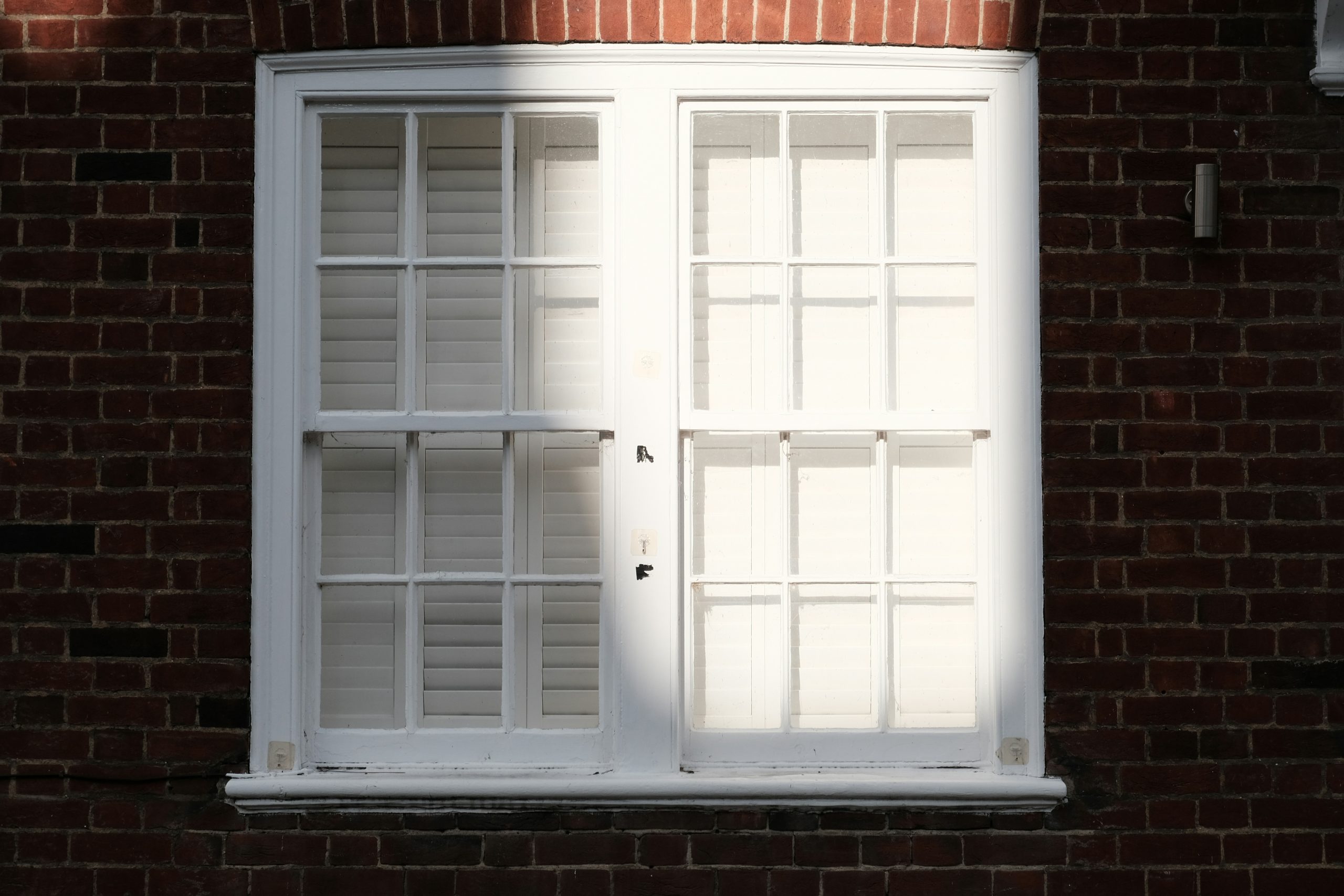
Few architectural features divide opinion quite like windows. But timber sash windows have stayed relevant for centuries — and in an era obsessed with thermal efficiency and sustainability, that staying power says something.
The sliding vertical panels, slim timber profiles, elegant proportions — they’re as recognisable today as they were in Georgian terraces two hundred years ago. And modern manufacturing has quietly closed the gap between heritage aesthetics and contemporary performance standards.
Here’s what’s worth understanding before you commit to them.
What Actually Makes a Sash Window a Sash Window
The defining feature is simple: one or more movable panels sliding vertically within a frame. Traditionally counterbalanced with concealed weights; modern versions typically use spring mechanisms instead.
Beyond the mechanics, it’s the proportions that matter. Slim profiles. Maximum glass area. Glazing bars in heritage designs. That ratio of timber to glass is what gives them their architectural character — and why they sit so naturally in Georgian, Victorian, and Edwardian buildings.
That said, they’re not exclusively a period-property solution. Contemporary designs that reference traditional styling use them too, often to good effect.
Timber Choice: More Consequential Than It Sounds
The material running through the frame affects everything — cost, lifespan, maintenance burden, thermal performance.
Three main options:
Engineered or treated softwood is the most accessible price point. Widely used, performs well with proper surface protection, but needs consistent maintenance to stay in good shape.
Hardwoods like oak or sapele are naturally more durable and resistant to wear. The trade-off is cost — considerably higher upfront, but the longevity argument is real.
Modified timber — chemically or thermally treated — sits somewhere between the two. Better moisture resistance, improved dimensional stability, fewer surprises over time.
The choice isn’t just aesthetic. It shapes what ownership actually looks like over ten, twenty, thirty years.
Energy Efficiency: Better Than the Reputation Suggests
The old association between sash windows and draughty rooms is largely outdated. Modern versions can achieve genuinely strong thermal performance.
Double or triple glazing. Low-emissivity glass coatings. Argon-filled units. Draught-proofing systems built into the frame itself. In well-specified installations, U-values can get close to current building regulation standards — which puts them in viable territory for energy-conscious renovations.
The catch? Slim traditional sightlines and maximum thermal efficiency don’t always want the same thing. Thicker glazing units can alter the aesthetic, which matters considerably in conservation areas. It’s a genuine trade-off, not a problem with a clean solution.
Heritage Properties and Conservation Areas
In many conservation areas, there’s no real choice involved — timber sash windows are required to maintain architectural consistency. Planning authorities take this seriously.
The proportions, glazing patterns, and finish all contribute to a building’s character in ways that uPVC replacements rarely replicate convincingly. Georgian designs typically feature multiple small panes. Victorian versions lean toward larger glass sections with fewer bars. Getting this right matters both visually and — in heritage contexts — legally.
Bespoke: When Standard Sizes Don’t Apply
Older properties rarely conform to standard window dimensions. Settlement, original construction methods, non-standard openings — these are common, not exceptional.
Bespoke production solves this. Custom-made units allow precise replication of original features, or tailored solutions for modern extensions that need to sit harmoniously alongside period elements. Frame dimensions, timber type, finish, glazing configuration, hardware style, colour matching for heritage accuracy — all of it adjustable.
In restoration projects where authenticity matters as much as performance, bespoke is usually the only sensible route.
Installation: Where Good Products Can Go Wrong
Even excellent windows underperform when installation is poor. Accurate measurement, proper sealing against draughts and water ingress, structural assessment of older openings, precise alignment for smooth sash movement — these aren’t optional details.
In older properties, installers may need to address uneven walls or historical settlement before new frames go in. Skipping that step tends to create problems that show up later, at worse timing and greater cost.
Maintenance: Honest Assessment
Timber requires more upkeep than uPVC or aluminium. That’s a fact worth accepting rather than glossing over.
Repainting or re-staining every five to eight years, depending on exposure. Checking and replacing weather seals periodically. Lubricating sliding mechanisms. Inspecting for moisture damage before it becomes rot.
The other side of that equation: timber is repairable. Damaged sections can often be fixed rather than replaced entirely, which reduces both long-term cost and waste. A well-maintained set of timber sash windows can last several decades — which shifts the cost calculation considerably when you run it out over time.
What’s Changing in the Market
Manufacturing has moved on. Slimline double glazing now allows traditional sightlines to be maintained while delivering meaningfully better insulation — the compromise that used to feel unavoidable is narrowing.
Sustainable timber sourcing has become a genuine priority rather than a marketing footnote. Responsibly certified timber is increasingly the baseline expectation, not an upgrade.
Hybrid systems — timber interior, aluminium exterior cladding — offer a middle path for owners who want the internal aesthetic without the full external maintenance burden.
CNC machining has also improved precision and consistency for custom units, reducing the variability that used to make bespoke production more of a gamble.
A Practical Scenario Worth Considering
Picture a Victorian terrace renovation. The original single-glazed windows are draughty, the frames are tired, and the thermal performance is genuinely poor. Replacing like-for-like with modern equivalents — matched proportions, upgraded glazing, appropriate hardware — maintains the building’s character while delivering real improvements to warmth and noise reduction.
That’s the case for timber sash windows in a sentence: heritage preservation and modern performance in the same frame.
The investment is real. So is the maintenance commitment. But for the right property — period or contemporary, conservation area or not — the longevity, repairability, and visual quality tend to justify both. Advances in glazing and manufacturing have only strengthened that argument.
For tailored solutions to specific properties or conservation requirements, detailed design and specification options are worth exploring through resources covering timber sash windows.