


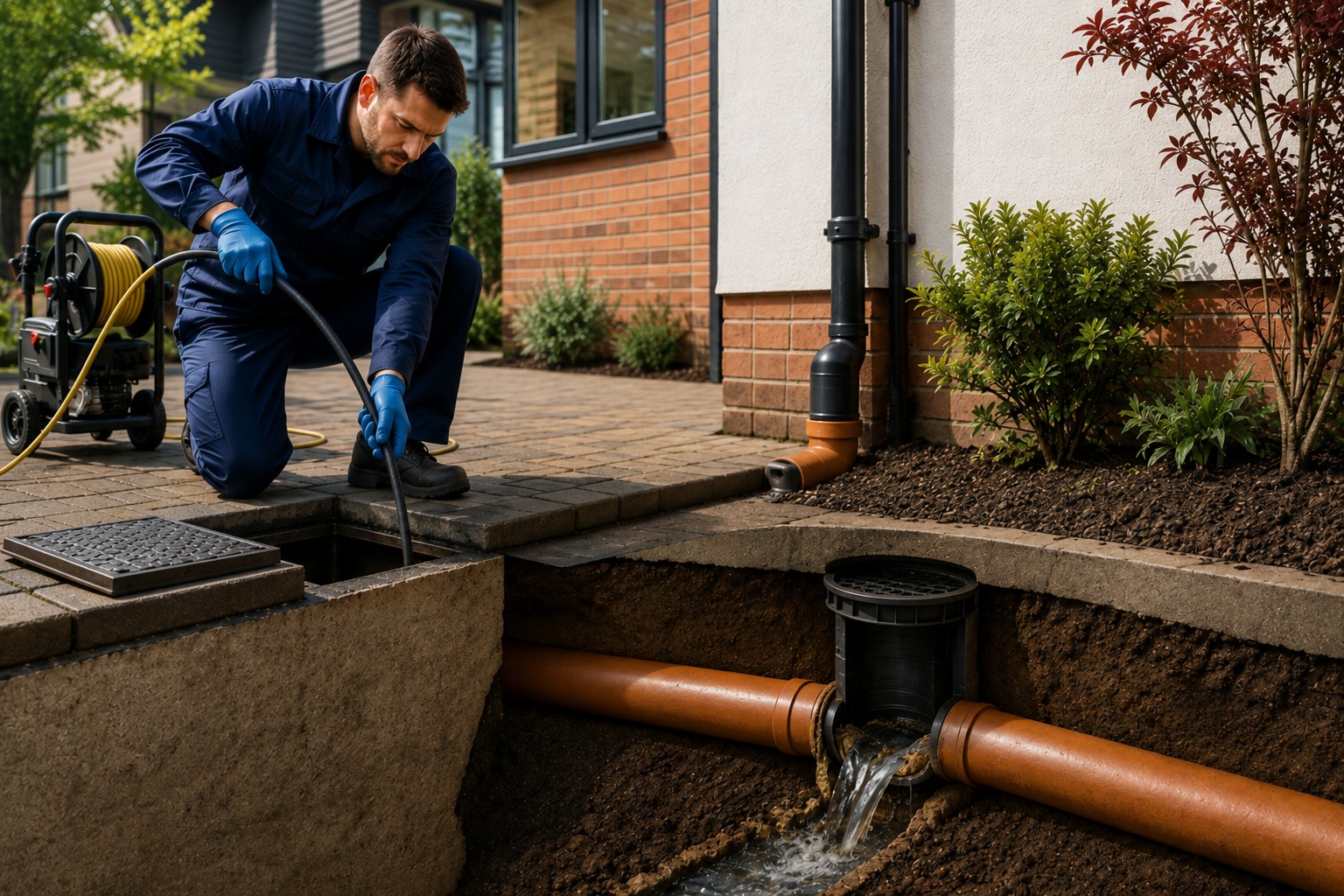
Drainage systems are one of the most overlooked components of any property, yet they play a critical role in protecting buildings from water damage, damp, and costly structural issues. Whether you own a family home, manage rental properties, or invest in residential developments, maintaining effective drainage should form an essential part of your long-term property maintenance strategy.
Blocked or damaged drains rarely resolve themselves. Minor issues can quickly develop into significant repairs if left untreated, affecting both the condition and value of a property. By adopting a proactive approach to drainage maintenance, homeowners and landlords can reduce unexpected expenses while ensuring their buildings remain safe, functional, and attractive for years to come.
Understanding the Importance of Healthy Drainage
A property’s drainage system is responsible for carrying wastewater and surface water safely away from the building. When working efficiently, it protects foundations, external walls, driveways, gardens, and internal living spaces from excess moisture.
Poor drainage can lead to a variety of problems, including standing water, unpleasant odours, damp patches, mould growth, and even structural movement in severe cases. Regular inspections and preventative maintenance help identify potential issues before they escalate into more serious and expensive repairs.
As modern homes become increasingly energy efficient and well insulated, effective drainage remains just as important as roofing, heating, and ventilation in protecting the overall performance of a property.
Common Causes of Drainage Problems
Many drainage issues develop gradually through everyday use. Grease, cooking fats, food waste, hair, wet wipes, and other unsuitable materials can accumulate inside pipework over time, restricting water flow.
External drains are also vulnerable to leaves, tree roots, mud, and debris, particularly during autumn and periods of heavy rainfall. Property owners experiencing recurring drainage problems often turn to professionals such as Any Drains Direct Swanley, who can identify the underlying cause and restore proper drainage before more serious issues develop.
Understanding these common causes allows property owners to take preventative measures before serious disruption occurs.
Early Action Saves Time and Money
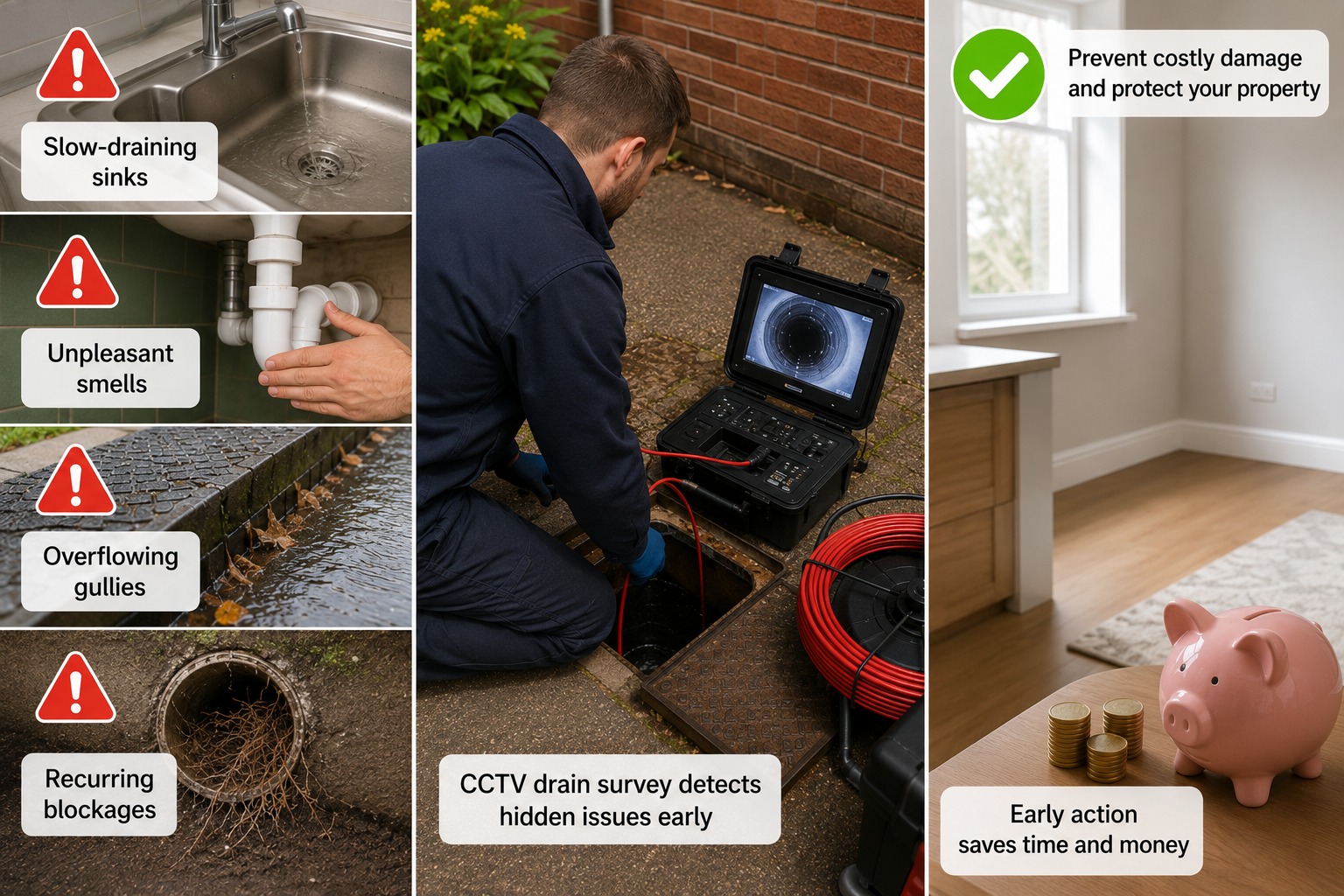
One of the most effective ways to protect your property is to respond quickly when early warning signs appear.
Slow-draining sinks, unpleasant smells, overflowing gullies, or recurring blockages should never be ignored. Prompt attention often prevents small issues from developing into major drainage failures that may affect internal flooring, plasterwork, or even structural foundations.
Where more complex drainage issues require detailed investigation, specialists such as BDS Drainage in Reigate can carry out CCTV drain surveys and professional assessments to locate hidden defects before they result in expensive structural damage.
Addressing problems early is almost always more cost-effective than waiting until emergency repairs become necessary.
Routine Maintenance Protects Property Value
Preventative maintenance remains one of the most valuable investments any property owner can make.
Simple tasks such as clearing outdoor gullies, removing leaves from drainage channels, avoiding the disposal of grease into kitchen sinks, and periodically inspecting inspection chambers all help maintain efficient water flow.
Property professionals also recommend arranging occasional drainage inspections, particularly for older homes or buildings surrounded by mature trees where root intrusion is more likely.
Consistent maintenance not only reduces repair costs but also helps preserve the property’s long-term market value.
Professional Drain Surveys
Some drainage issues remain hidden beneath the surface and cannot be identified through visual inspection alone.
Modern CCTV drain surveys allow specialists to inspect underground pipework without excavation, revealing cracks, displaced joints, root ingress, and developing blockages. These surveys are particularly valuable before purchasing older properties or planning significant renovation work.
In situations where more complex drainage issues require specialist investigation, experienced companies can provide detailed assessments that help property owners understand the condition of underground drainage systems and prioritise any necessary repairs.
Early diagnosis allows maintenance to be planned before serious structural problems arise.
Drainage and Long-Term Property Performance
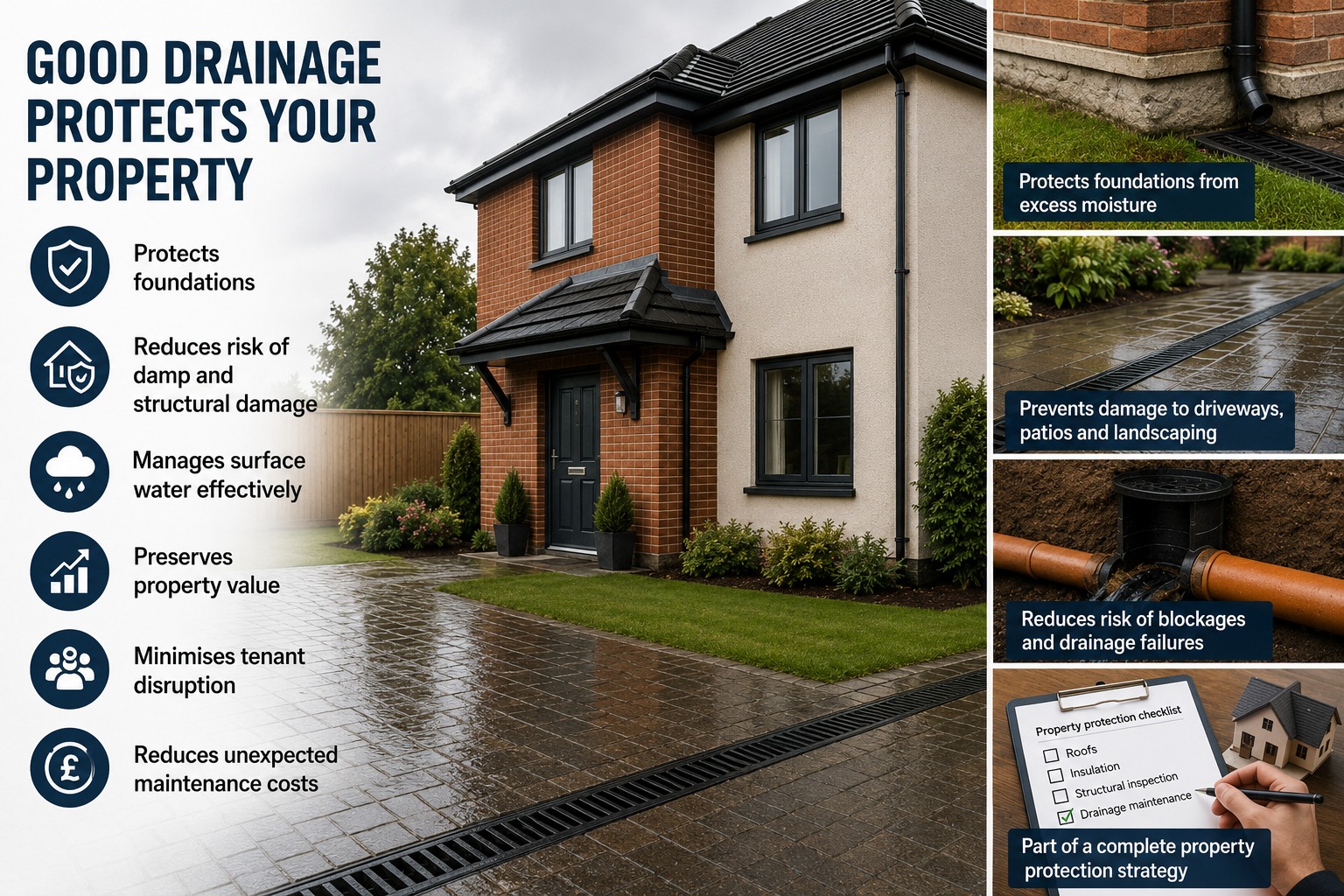
Effective drainage contributes to much more than simply preventing blockages. It also supports the long-term durability of buildings by reducing the risk of water-related deterioration.
Excess moisture around foundations may contribute to settlement, while poor surface water management can accelerate damage to driveways, patios, and external landscaping. Regular drainage maintenance therefore forms part of a broader property protection strategy alongside roofing, insulation, and structural inspections.
For landlords and property investors, maintaining drainage systems also helps minimise tenant disruption and unexpected maintenance costs.
Creating a Preventative Maintenance Plan
Rather than waiting for problems to occur, property owners benefit from establishing a simple annual maintenance schedule.
This might include:
- Inspecting external drains after heavy rainfall.
- Clearing leaves from gullies during autumn.
- Monitoring slow-draining sinks or showers.
- Avoiding unsuitable materials entering the drainage system.
- Arranging professional inspections where recurring issues arise.
Small preventative measures carried out consistently often prevent expensive emergency call-outs later.
Conclusion
Drainage systems are fundamental to the long-term performance and protection of every property. Although they remain largely hidden from view, they work continuously to safeguard buildings against water damage, damp, and structural deterioration.
By recognising early warning signs, carrying out regular maintenance, and arranging professional inspections when necessary, homeowners, landlords, and property investors can reduce repair costs while protecting both the value and condition of their properties. A proactive approach to drainage care is a relatively small investment that delivers significant long-term benefits for any building.