


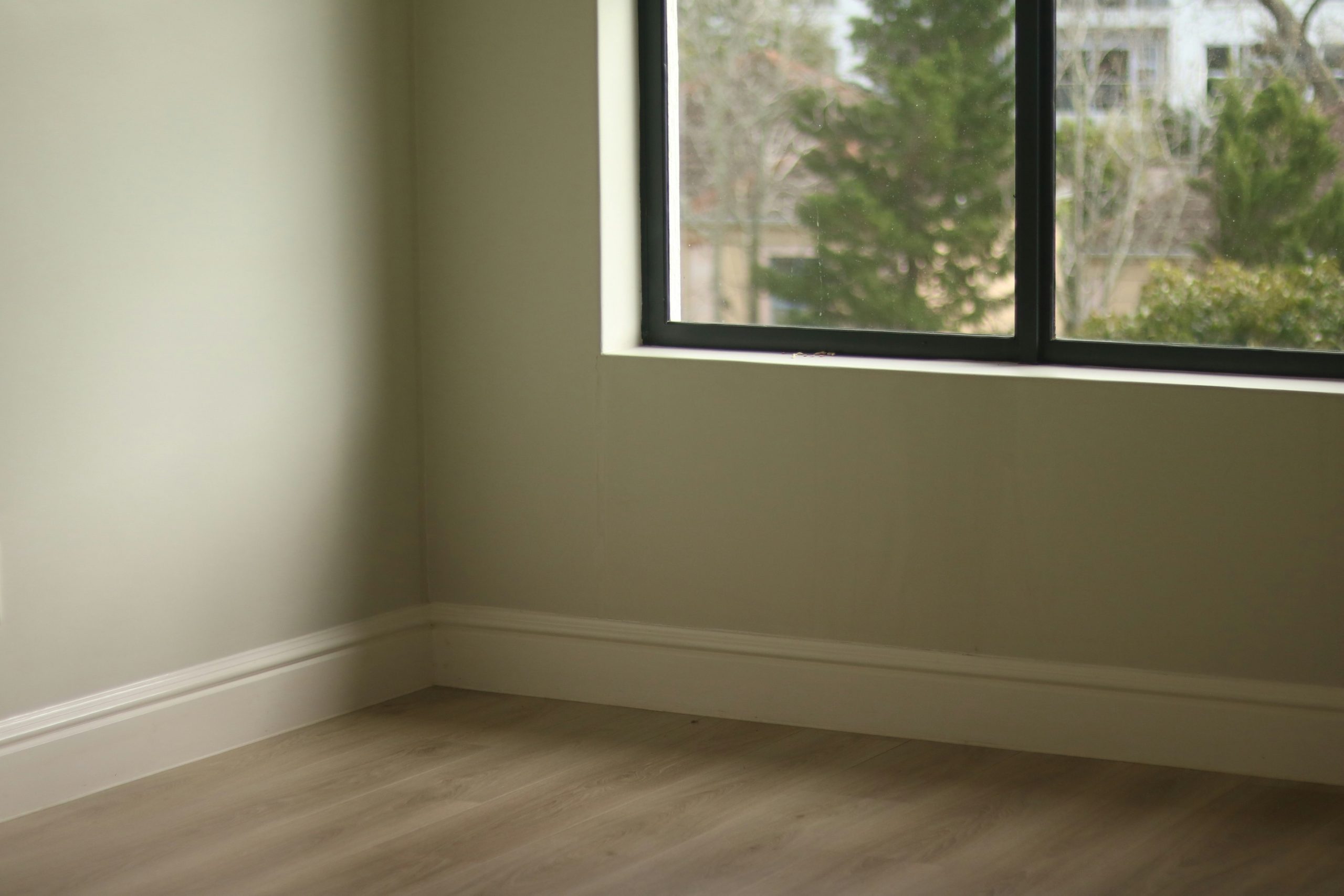
Walk into most homes and you won’t even notice the skirting boards. That’s kind of the point — until you renovate, and suddenly every gap, scuff, and mismatched profile jumps out at you.
Enter the ogee MDF skirting board. It’s been around in various forms for centuries (the curve itself is properly old), but the modern version — that classic S-shaped profile paired with engineered MDF — has become something of a default choice for renovators who want character without the fuss.
So why does this particular combination keep winning?
The shape itself
Ogee just means S-curve, essentially. Two opposing curves, one design, rooted in architecture that goes back centuries. It’s not new. What is relatively new is pairing it with modern materials.
Compared to plain square-edge boards, ogee adds detail — but not so much that it screams “Victorian townhouse” in a flat with exposed brick and minimalist furniture. It sits somewhere in the middle. Traditional enough to feel intentional, restrained enough to suit contemporary spaces too.
Why MDF, though?
Here’s the thing about MDF — medium density fibreboard, for anyone unfamiliar — it’s not wood in the traditional sense. Wood fibres, resin, heat, pressure. The result is dense, uniform, and predictable in a way solid timber simply isn’t.
No knots. No grain to fight against. Paint goes on smoothly and stays smooth. And because every board comes out essentially identical, warping issues that plague some softwoods barely register.
For skirting, architraves, and decorative trim generally, that consistency matters more than people realize.
Putting the two together
Combine the ogee profile with MDF and you get something genuinely flexible — period character without period unpredictability.
Picture a Victorian terrace getting modernized. Ogee skirting reinforces the traditional bones of the place. Now picture a new-build apartment with clean lines and white walls. Same profile, completely different effect — adds a touch of detail without fighting the minimalism.
That adaptability is exactly why so many renovators reach for an ogee mdf skirting board rather than committing to something more period-specific or more starkly modern. It works either way, which — when you’re renovating room by room over months or years — actually matters.
The bigger-project advantage
Fit skirting throughout an entire house, or across multiple units in a development, and uniformity becomes surprisingly important. Mismatched boards stand out more than you’d think.
Because MDF is manufactured rather than grown, every length looks the same. No surprise grain patterns, no colour variation between boards cut from different trees. For larger refurbishments especially, that uniformity simplifies both installation and the finishing work afterward.
MDF vs. timber — the eternal debate
Neither wins outright. It depends what you’re after.
MDF tends to offer better dimensional consistency, easier painting, fewer natural quirks to work around, and — often — lower material costs overall.
Solid timber, on the other hand, brings genuine grain character, can be stained rather than just painted, sometimes holds up better against edge knocks, and carries obvious appeal for heritage restoration work where authenticity matters more than convenience.
Most people land somewhere based on budget and what they’re trying to achieve — not because one option is objectively “better.”
Before you buy: a few things worth checking
Choosing a profile isn’t just about looks. A handful of practical details matter more than people expect.
Height and proportion. Taller ceilings generally suit taller skirting — keeps the room visually balanced. Smaller rooms or more minimalist spaces often work better with lower profiles. Get this wrong and a room can feel oddly top-heavy or strangely bare.
Moisture. Bathrooms, kitchens, utility rooms — anywhere humidity runs high needs moisture-resistant MDF specifically. Standard MDF and damp environments don’t mix well long-term.
What’s already there. Door frames, architraves, flooring — skirting needs to work with these, not against them. A profile that looks great in isolation can clash badly once it’s sitting next to mismatched door trim.
What’s trending right now
A few shifts worth knowing about if you’re planning a refresh.
Taller skirting boards are having a moment. Narrow, understated trim is giving way to bolder profiles that actually make a visual statement — and ogee fits neatly into this because it adds presence without tipping into overly ornate territory.
Painted finishes remain dominant, full stop. And MDF’s smooth, grain-free surface is basically tailor-made for paint — whether that’s traditional white or one of the darker, moodier tones currently popular in contemporary interiors.
There’s also a broader trend toward blending old and new — classical details, modern materials, contemporary colour palettes. An ogee mdf skirting board sits comfortably at exactly that intersection, which probably explains some of its staying power.
Do your homework before buying
Specifications matter more than people assume. Dimensions, exact profile depth, moisture ratings — get these wrong and you’re looking at returns, re-cuts, or worse, gaps that show up after painting.
Worth spending time comparing options properly before committing to a bulk order, especially for larger jobs where mistakes multiply fast.
Fitting and looking after it
Good news: installation is generally straightforward, and once it’s painted, upkeep is minimal — wipe it down, touch up the odd scuff, done.
That said, prep work matters. Walls should be reasonably level before you start. Use the right adhesives and fixings for the job. Seal any cut edges. Prime properly before painting. And leave room for natural expansion and movement — skipping this step is how hairline gaps appear months later.
None of this is complicated. But skip it, and the finish suffers.
Cost, looks, durability — pick your priorities
Every renovation involves trade-offs, and skirting is no exception.
Want authenticity above all else? Solid hardwood probably wins. Want consistency, easier painting, and a friendlier price tag? MDF usually comes out ahead.
The ogee profile itself splits the difference too — decorative enough to add character, simple enough not to demand the kind of elaborate, costly mouldings that heritage purists chase. It’s accessible. That’s really the whole appeal.
Where this leaves you
The ogee MDF skirting board endures because it doesn’t force a choice between traditional looks and practical materials — it just combines them. Smooth finish, consistent quality, classic shape.
Whether it’s one room or an entire refurbishment, getting the height, moisture rating, and surrounding details right makes the difference between skirting that just blends in… and skirting that actually elevates the room. Worth getting right.