


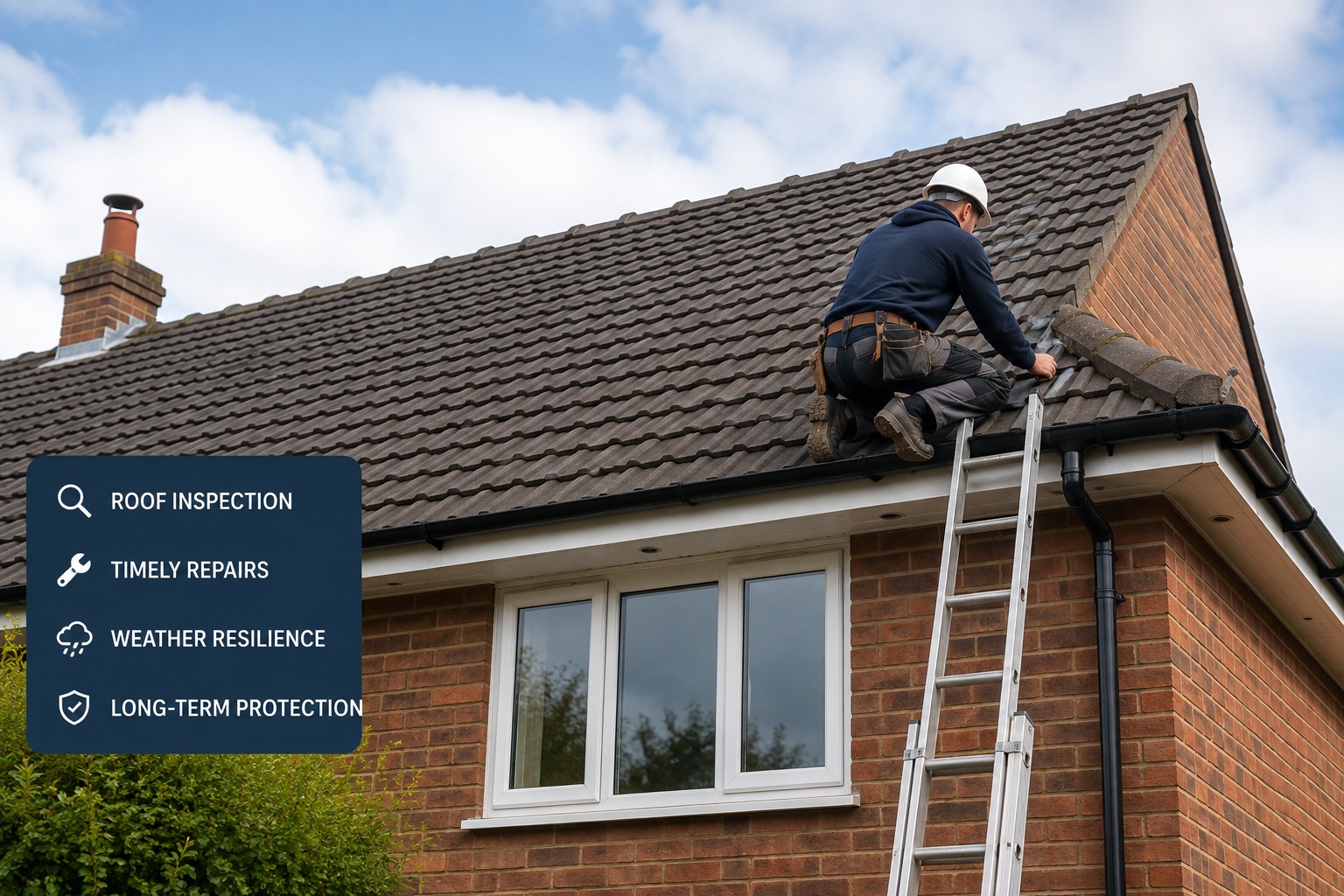
Across the UK, roofs are quietly becoming one of the most urgent property concerns for homeowners. From increasingly unpredictable weather patterns to ageing housing stock, roofing issues that were once considered “routine maintenance” are now turning into major financial and structural challenges.
For many households, the roof is something that is only thought about when a leak appears or visible damage occurs. But industry experts warn that this reactive approach is becoming increasingly costly, particularly as storm intensity, rainfall levels, and temperature fluctuations place new pressure on roofing systems that were not designed for today’s climate conditions.
Rising Pressure on Ageing Housing Stock
A significant proportion of UK homes were built decades ago, meaning roofing systems across large parts of the country are reaching or exceeding their intended lifespan. Traditional pitched roofs, flat roofing systems, and roofline components such as fascias and soffits are all vulnerable to deterioration over time, especially when regular maintenance has been delayed.
Small issues such as cracked tiles, failing seals, or damaged flashing can quickly escalate into structural damp, insulation damage, and internal water ingress if not addressed early. In many cases, homeowners only discover the extent of the issue once interior damage has already occurred.
The Cost of Reactive Repairs Versus Planned Maintenance
One of the biggest shifts in the roofing sector is the growing emphasis on preventative care rather than emergency repair. Industry professionals consistently highlight that planned inspections and early intervention are significantly more cost-effective than full-scale reactive repairs.
When roofing issues are left unchecked, repair work often expands beyond the roof surface itself, impacting internal ceilings, timber structures, and energy efficiency within the home. This is particularly relevant in older properties where insulation and ventilation systems may already be under strain.
Flat Roofs and Drainage Challenges
Flat roofing systems, commonly used on extensions, garages, and commercial properties, are particularly susceptible to pooling water and drainage issues if not correctly installed or maintained. While modern materials have significantly improved durability, installation quality remains a critical factor in long-term performance.
Pitched roofs, on the other hand, tend to offer better natural drainage but still rely heavily on correct tile placement, underlayment integrity, and ridge system stability to withstand severe weather conditions.
The Importance of Professional Roofing Expertise
With the rise of online tutorials and DIY renovation culture, more homeowners are attempting minor roofing fixes themselves. However, roofing specialists continue to caution against this approach for anything beyond very basic maintenance, citing safety risks and the potential for hidden structural damage.
Professional roofing contractors not only ensure compliance with building standards but also provide diagnostic insight that can prevent small defects from becoming major failures.
One example of a North East contractor operating across both domestic repair and full roof replacement work is Estates Roofing, a company specialising in pitched roofs, flat roofing systems, and full roofline services. Working across Sunderland, Durham, Newcastle, and surrounding areas, the firm focuses on both preventative maintenance and complete roof renewal projects, with an emphasis on transparent surveying and long-term durability.
Weather Resilience and Futureproofing Homes
As weather conditions continue to fluctuate more dramatically across the UK, roof resilience is becoming a key factor in overall property performance. Proper installation, high-quality materials, and regular inspections are now considered essential for maintaining both structural integrity and energy efficiency.
In addition, energy efficiency regulations and rising heating costs are pushing homeowners to consider how roof condition directly impacts insulation performance and household energy consumption.
Looking Ahead
The roofing industry is expected to continue evolving toward more preventative, data-led maintenance approaches, with greater use of inspections, surveys, and long-term planning rather than emergency callouts.
For homeowners, the message from industry professionals is increasingly clear: roof health should no longer be treated as an afterthought. Instead, it is a core part of protecting both property value and living conditions.
As the sector adapts to new environmental and economic pressures, the importance of experienced, reliable roofing contractors will only continue to grow.

