


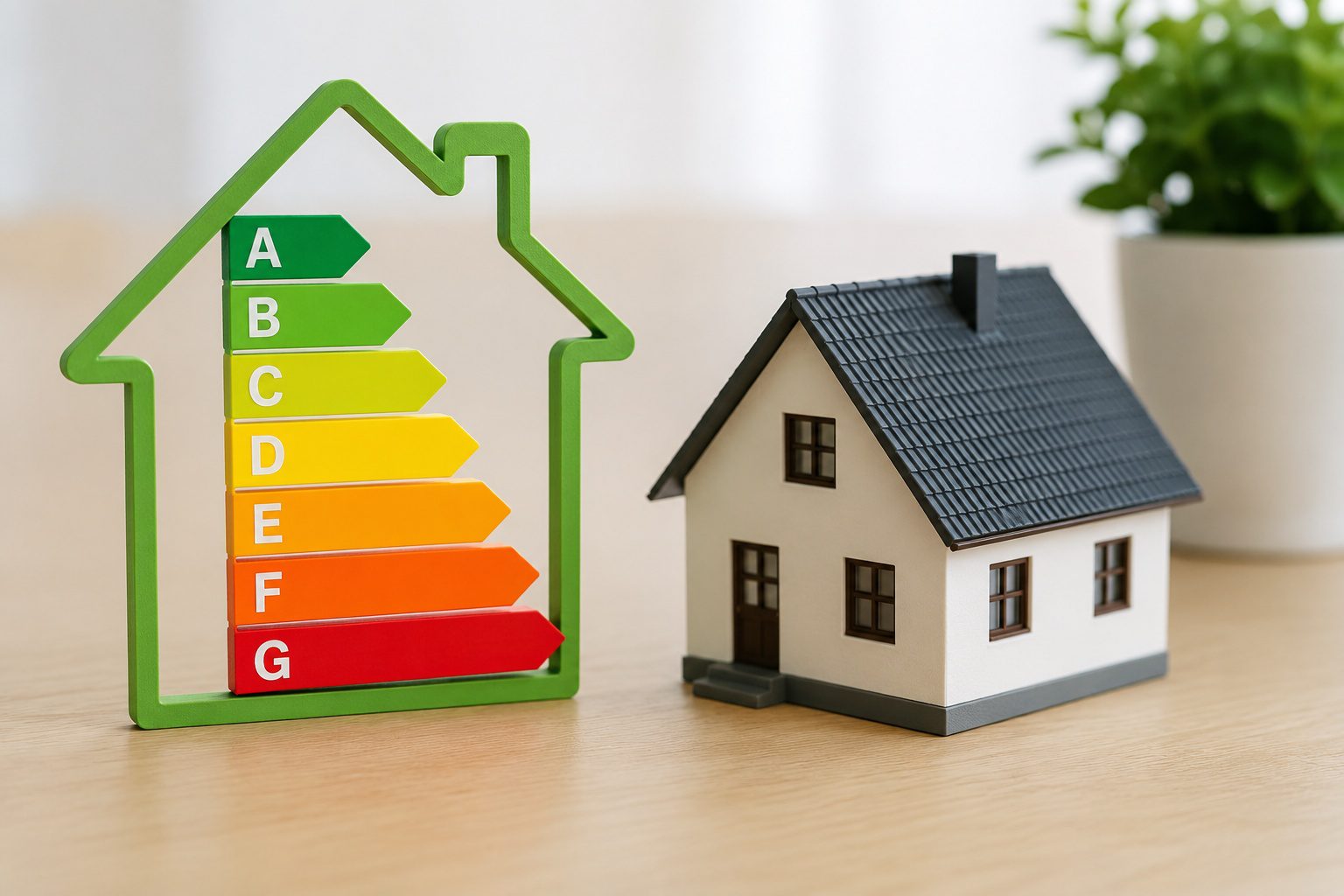
An EPC rating is easy to overlook until you are selling, buying or renting a home. It is usually shown as a simple letter on a property listing, but that letter can tell you a lot about how efficient a home is, how expensive it may be to run, and what kind of improvements could be worth considering.
For UK homeowners, landlords, buyers and investors, energy performance is no longer just a technical detail. Higher energy bills, changing property expectations and the demand for more comfortable homes have made EPC ratings a bigger part of the property conversation. A strong rating can support confidence, while a weak one can raise questions about insulation, heating systems and future upgrade costs.
Quick Answer: What Is an EPC Rating?
An EPC rating shows how energy efficient a property is. Homes are graded from A to G, with A being the most efficient and G being the least efficient. The certificate also includes estimated energy use, typical energy costs and recommendations that could improve the property’s performance.
In simple terms, an EPC gives buyers, tenants and owners a quick way to understand how well a home uses energy before they make a decision.
Key Takeaways
- An EPC rating measures the energy efficiency of a home.
- Ratings run from A to G, with A being the best result.
- EPCs are usually needed when a property is sold, rented or newly built.
- A better rating can make a home feel more attractive to buyers and tenants.
- Insulation, modern heating controls and efficient glazing can help improve a rating.
- Landlords should check EPC rules carefully before letting a property.
- An EPC is useful, but it should be read alongside the property’s real condition and running costs.
Quick Facts
| EPC Detail | What It Means |
| Full name | Energy Performance Certificate |
| Rating scale | A to G |
| Best rating | A |
| Lowest rating | G |
| Main purpose | Shows how energy efficient a property is |
| Commonly needed for | Selling, renting or building a home |
| Validity | Usually valid for 10 years |
| Useful for | Buyers, sellers, landlords, tenants and homeowners |
Why EPC Ratings Matter
EPC ratings matter because they turn a home’s energy performance into something people can understand quickly. Instead of guessing whether a property may be efficient, a buyer or tenant can see a clear rating before they commit.
For homeowners, an EPC can highlight where energy may be wasted. A home with little loft insulation, older windows or an inefficient boiler may score lower. That does not mean the property is automatically a bad choice, but it does show where improvements may be useful.
For landlords, the rating can be even more important. Minimum energy efficiency rules can affect whether a property can be legally let, which means the EPC should be treated as part of property planning rather than a last-minute document.
What Do EPC Ratings A to G Mean?
EPC Rating A
An A-rated home is highly energy efficient. It may have strong insulation, efficient heating, good glazing, modern controls or renewable energy features such as solar panels. This rating is less common in older UK homes, but it is becoming more familiar in newer or heavily upgraded properties.
EPC Rating B or C
A B or C rating is generally seen as a good result. Many newer homes and improved properties fall into this range. For buyers and tenants, it can suggest more manageable energy use and a more comfortable living environment.
EPC Rating D
A D rating is common across the UK housing market, especially in older homes. It usually means the property is not especially poor, but there is still room for improvement.
EPC Rating E, F or G
Lower ratings suggest the property may be less efficient and could cost more to heat. These homes may need work such as insulation, heating upgrades, draught-proofing or better heating controls. For landlords, F and G ratings need particular care because minimum standards may apply.
How an EPC Rating Can Affect Property Value
An EPC rating does not decide a home’s value on its own. Location, size, condition, layout, local demand and transport links still carry more weight in most property decisions. However, energy efficiency can influence how buyers and tenants feel about a home.
A good rating may suggest lower running costs and fewer immediate upgrades. A poor rating can make people think about future spending before they make an offer. They may ask whether the boiler is old, whether the home is well insulated, or whether the windows will need replacing.
For sellers, a stronger EPC can help support the overall impression that a home is well maintained. For buyers, a lower rating can become a negotiation point, especially if the recommended improvements look expensive.
Common Ways to Improve an EPC Rating
The right improvements depend on the property, but many EPC upgrades focus on reducing heat loss and improving the way energy is used.
- Add or improve loft insulation.
- Consider cavity wall or solid wall insulation where suitable.
- Upgrade old single glazing to double or triple glazing.
- Install better heating controls, such as thermostats and radiator valves.
- Replace an inefficient boiler or heating system when needed.
- Draught-proof windows, doors and gaps around the home.
- Use low-energy lighting throughout the property.
- Improve hot water cylinder insulation.
- Consider solar panels if the property and budget are suitable.
Some changes are simple and affordable, while others need a larger budget. The recommendations section of the EPC is a good starting point because it outlines suggested measures and potential rating improvements.
EPC Ratings for Landlords
Landlords should pay close attention to EPC ratings before marketing a rental property. In England and Wales, domestic private rented properties generally need to meet minimum energy efficiency standards unless a valid exemption applies.
This is why an EPC should not be left until the end of the process. If a rental property has a low rating, the landlord may need time to arrange improvements, compare quotes, and understand what is legally required.
Older homes can be more complex because some upgrades may be harder or more expensive. Even so, checking the EPC early can help avoid delays when advertising or renewing a property.
EPC Ratings for Buyers
For buyers, an EPC is a useful guide. It can help you understand whether a property is likely to be efficient, expensive to run, or in need of upgrades.
Still, it should not be read in isolation. A certificate may be several years old, and the property could have been improved since it was issued. On the other hand, a home may have a reasonable rating but still feel cold because of draughts, poor room layout or heating habits.
When viewing a property, it is worth asking when the EPC was completed, whether any upgrades have been made since, what heating system is installed, and whether the loft, walls and windows have been improved.
EPC Ratings for Sellers
For sellers, the EPC can shape early impressions. Buyers may not walk away because of a lower rating, but they may use it to question future costs.
If the certificate is old and the home has been upgraded, a new assessment may give a more accurate picture. Improvements such as better insulation, heating controls or efficient lighting may not be reflected on an older certificate.
A clearer energy performance story can also help estate agents discuss the property more confidently, especially when buyers are concerned about energy bills.
How to Read an EPC Certificate
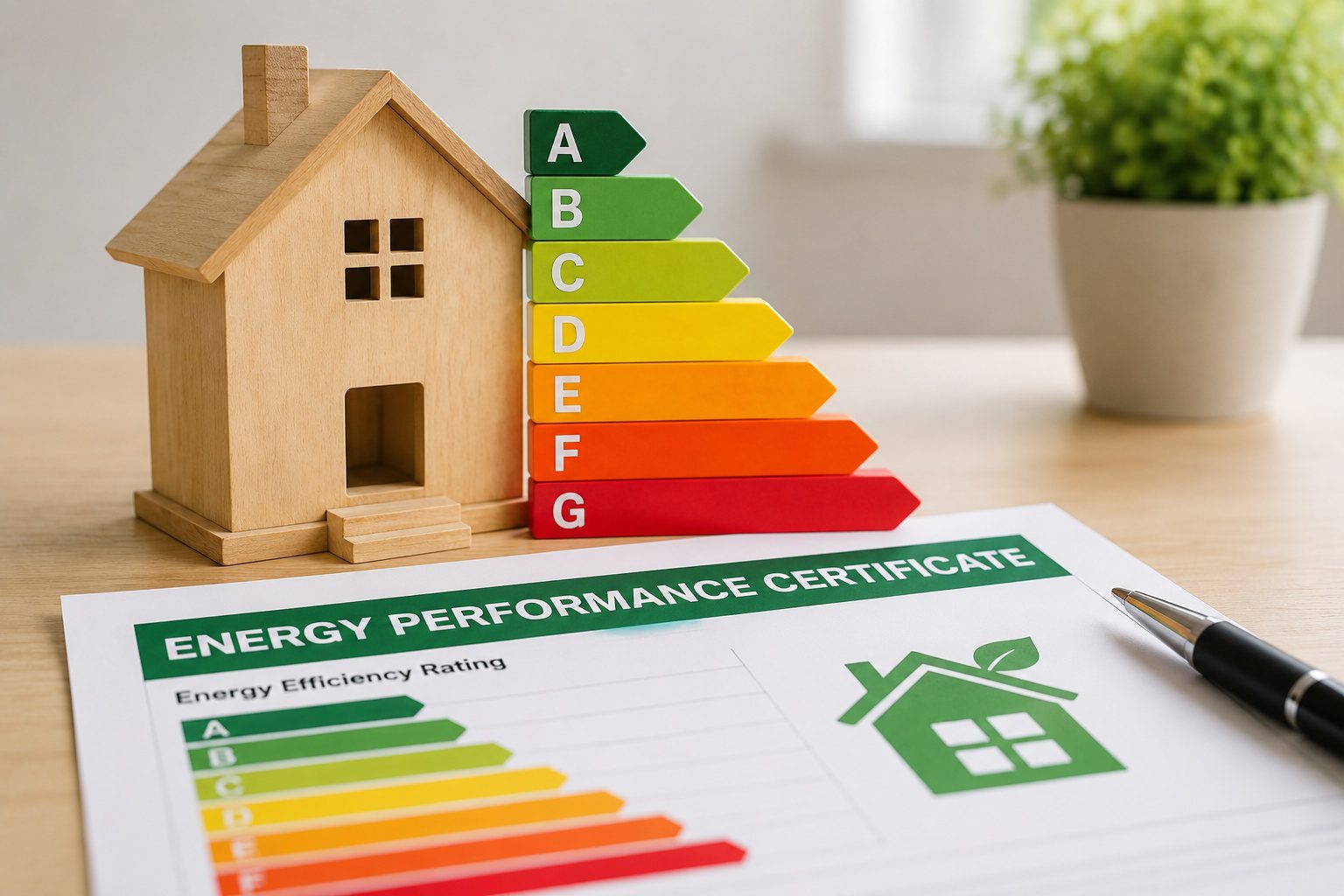
An EPC usually includes more than the current letter grade. It may show the current score, a potential score, estimated energy costs and recommended improvements.
The potential score is useful because it indicates how much the property could improve if the recommended work is carried out. For example, a home currently rated D may have the potential to reach C or B with the right upgrades.
The recommendations are not perfect for every property, but they are helpful for planning. Before spending money, it is sensible to compare the EPC advice with a builder, installer, energy assessor or property professional who understands the home.
Should You Worry About a Low EPC Rating?
A low EPC rating is not always a reason to reject a property. Many older homes start from a lower position, especially if they have solid walls, older windows or traditional heating systems.
The bigger question is whether the improvements are practical and affordable. Some upgrades, such as loft insulation or draught-proofing, can be relatively straightforward. Others, such as solid wall insulation or a major heating change, need more careful planning.
For investors and landlords, the risk is higher because future rules, upgrade costs and tenant expectations can affect the long-term value of the property.
EPC Rating Improvement Checklist
| Area to Check | Why It Matters |
| Loft insulation | Helps reduce heat loss through the roof |
| Wall insulation | Can make the home warmer and more efficient |
| Heating system | Efficient heating can improve the score and comfort |
| Heating controls | Better controls reduce wasted energy |
| Windows and doors | Good glazing and draught-proofing improve comfort |
| Lighting | Low-energy bulbs can support efficiency |
| Solar panels | May improve the rating and reduce electricity use |
| Hot water system | Insulation and controls can reduce energy waste |
Final Thoughts
An EPC rating is not just a letter on a property listing. It gives buyers, tenants, landlords and homeowners a clearer view of how a home performs and where improvements could be made.
For UK homes, energy efficiency is becoming more important because of running costs, comfort, sustainability and property expectations. A good EPC rating can support confidence, while a poor rating can highlight future work.
The best approach is to use the EPC as a guide, not the whole story. Read the rating, check the recommendations, look at the property’s condition and then decide which improvements make sense.
For more Property and home improvement guidance, explore the latest UK property updates on PAD Magazine.
FAQs
What does EPC rating mean?
An EPC rating shows how energy efficient a property is. It uses a scale from A to G, with A being the most efficient and G being the least efficient.
Is an EPC required when selling a house?
In most cases, an EPC is required when a property is sold, rented or newly built. Sellers should check that they have a valid certificate before marketing a home.
How long does an EPC last?
An EPC is usually valid for 10 years, unless a newer certificate is issued after another assessment.
What is a good EPC rating?
A rating of C or above is generally considered good for many UK homes. A and B ratings are stronger, while D is common in older properties.
Can a poor EPC rating affect property value?
A poor EPC rating can influence buyer confidence and may lead to questions about heating costs or upgrade work. It is only one factor, but it can affect how a property is viewed.
How can I improve my EPC rating?
Common ways to improve an EPC rating include adding insulation, upgrading heating systems, improving glazing, installing heating controls, using low-energy lighting and considering solar panels.
Should landlords worry about EPC ratings?
Yes. Landlords should pay close attention to EPC ratings because minimum energy efficiency standards can affect whether a property can be rented legally.