


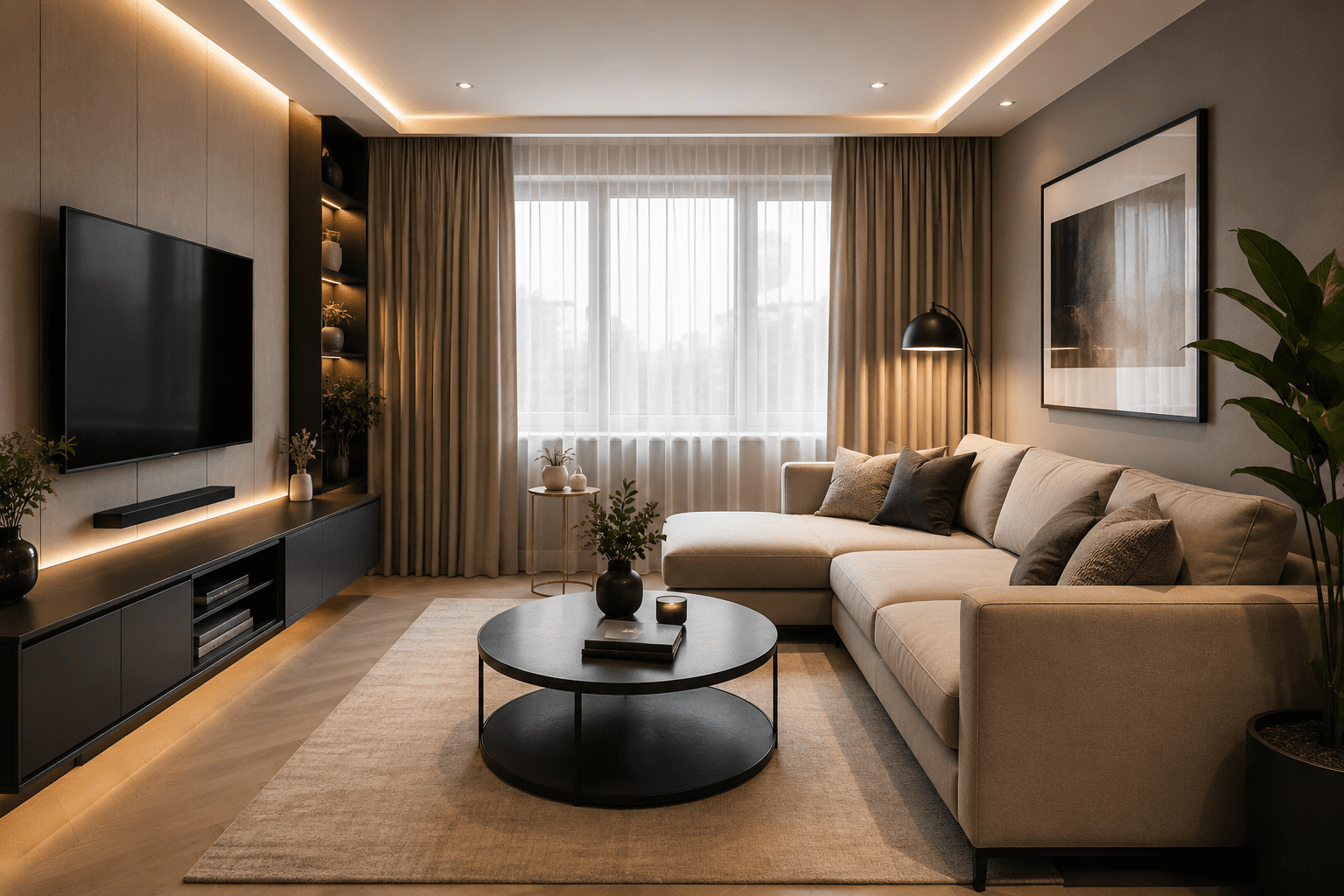
If you live in a Victorian terrace in London, a new-build flat in Manchester or a rented studio in Glasgow, chances are your living room is doing a lot with very little. UK homes are famously compact-narrow frontages, shallow rooms, low ceilings-and the small living room is where most of the compromise happens. It’s where you eat dinner on your lap, watch a box set, host friends before heading out and, increasingly, log on for work.
The good news? Even a very small living room can feel calm, stylish and genuinely practical. The trick is making every inch count through smart layout decisions, the right colour choices, clever storage and a few optical illusions. At PAD Magazine we focus on property, interiors and home design, and the living room is one of the most important spaces to get right
Below you’ll find 26 ideas covering natural light, furniture, mirrors, wall art, built-ins, rugs, lighting and budget-friendly updates. Consider it your blueprint for petite spaces that punch well above their weight.
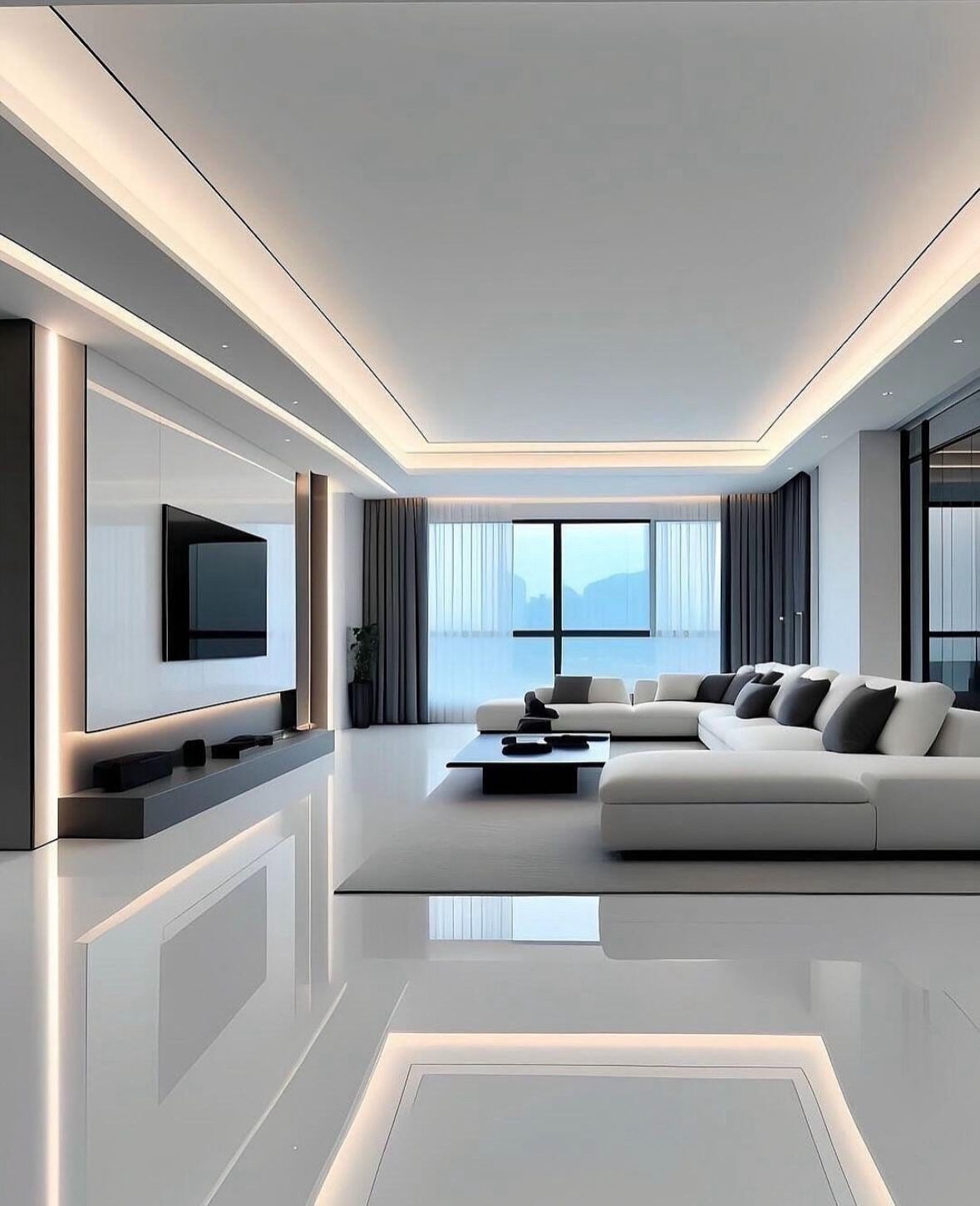
Start with Light: Windows, Mirrors and Natural Glow
Natural light is the single most effective way to make a small room feel generous. In north-facing UK lounges and ground-floor flats shadowed by neighbouring buildings, every lumen matters.
Start with your window dressings. Use sheer curtains or simple roller blinds in airy fabrics rather than heavy velvet drapes. Hang curtains high-above the frame-and wide, so they clear the glass entirely when open. This makes both the window and the wall feel taller and wider instantly.
Mirrors can create the illusion of a larger space more convincingly than almost any other trick. Hang a large mirror opposite a window to boost light and bounce it deep into the room. In Victorian terraces, an over-mantel mirror above the fireplace scatters reflecting light across low ceilings. A big round mirror above a corner sofa balances an asymmetrical layout beautifully.
For more character, try a gallery wall of mismatched vintage mirrors sourced from UK charity shops or markets like Portobello Road-they add depth without stealing floor space. Keep window sills fairly clear: a couple of plants, not a row of clutter. Using mirrors this way enhances natural light and space perception effortlessly, while a clean sill lets light flood in unobstructed.
A great tip from a Manchester renovation: a narrow, north-facing lounge (roughly 3 m wide) swapped heavy curtains for pale off-white roller blinds, installed one large mirror above the fireplace, and saw a noticeable lift in afternoon brightness. The same effect can be achieved in any small lounge with limited glazing.
Small-Space Layouts: Getting the Furniture Position Right
Before buying a single piece, measure everything: wall-to-wall dimensions, door swings, radiator positions, socket locations. In a tiny living room, ten centimetres of miscalculation can mean a door that won’t open or a sofa that blocks the way to the kitchen.
Resist the urge to push all furniture against the walls. Floating furniture slightly away from walls-even 15 to 20 cm-increases circulation, creates an airy atmosphere and stops the “bowling alley” feel common in narrow UK lounges. Keeping furniture away from walls creates a less rigid layout that actually feels roomier.
Maintaining a clear walkway between furniture is essential-aim for 60 to 80 cm between major pieces so the room doesn’t become an obstacle course. Coffee table to sofa distance of around 40 to 50 cm keeps things accessible without cramping movement.
L-shaped sofas create a cosy seating area and guide foot traffic around the room rather than through it. In a 3 m × 3 m rental in Leeds, tucking a corner sofa into the corner freed enough space for a slim armchair and a clear path to the patio door. Alternatively, swap a large sofa for two slim armchairs positioned opposite each other with a small table between them-lighter visually and easier to reconfigure.
In open-plan flats, using area rugs defines living areas clearly. Position the sofa as a subtle room divider between sitting and dining zones, and reinforce each area with its own lighting to create distinct moods within one space. Incorporating round furniture-a circular coffee table, for instance-improves flow in tight spaces by eliminating sharp corners people have to navigate around.
Transparent furniture helps maintain an open feel in small spaces. A glass furniture piece, such as an acrylic side table or a clear coffee table, lets sightlines pass straight through, making the room read as bigger than it is.
Choose the Right Sofa and Seating
The wrong sofa is the fastest way to make a small living room feel cramped. Prioritise proportion above everything else-measure twice, order once.
Low furniture can create the illusion of higher ceilings, so look for designs that sit closer to the ground with slim backs. Mid-century and Scandi-influenced styles with tapered legs work brilliantly because choosing furniture with legs creates an airy feel-you can see the floor beneath, which tricks the eye into reading more space.
A corner sofa is a smart choice in tight UK terraces and new-build sitting rooms, but only if you pick one on visible legs with a slim frame. Avoid boxy bases that swallow the room. Modular sofas adapt to fit various room layouts, which is ideal if you move between flats or rearrange seasonally.
For the smallest spaces, a compact 2-seater (150 to 180 cm wide) or a love seat will serve better than an oversized 3-seater. A sofa bed provides seating and sleeping options in one-bed flats where overnight guests need somewhere to crash-just make sure the mechanism doesn’t add excessive depth when folded.
Mix in one sleek armchair rather than a bulky pair. Upholstery in pale linen, warm beige or soft grey catches light beautifully. These light colours like beige and pale grey make rooms feel larger and keep the look cohesive. Steer clear of very chunky arms, oversized recliners and seats so deep you can’t sit upright-they may be comfortable, but they’ll eat your room alive.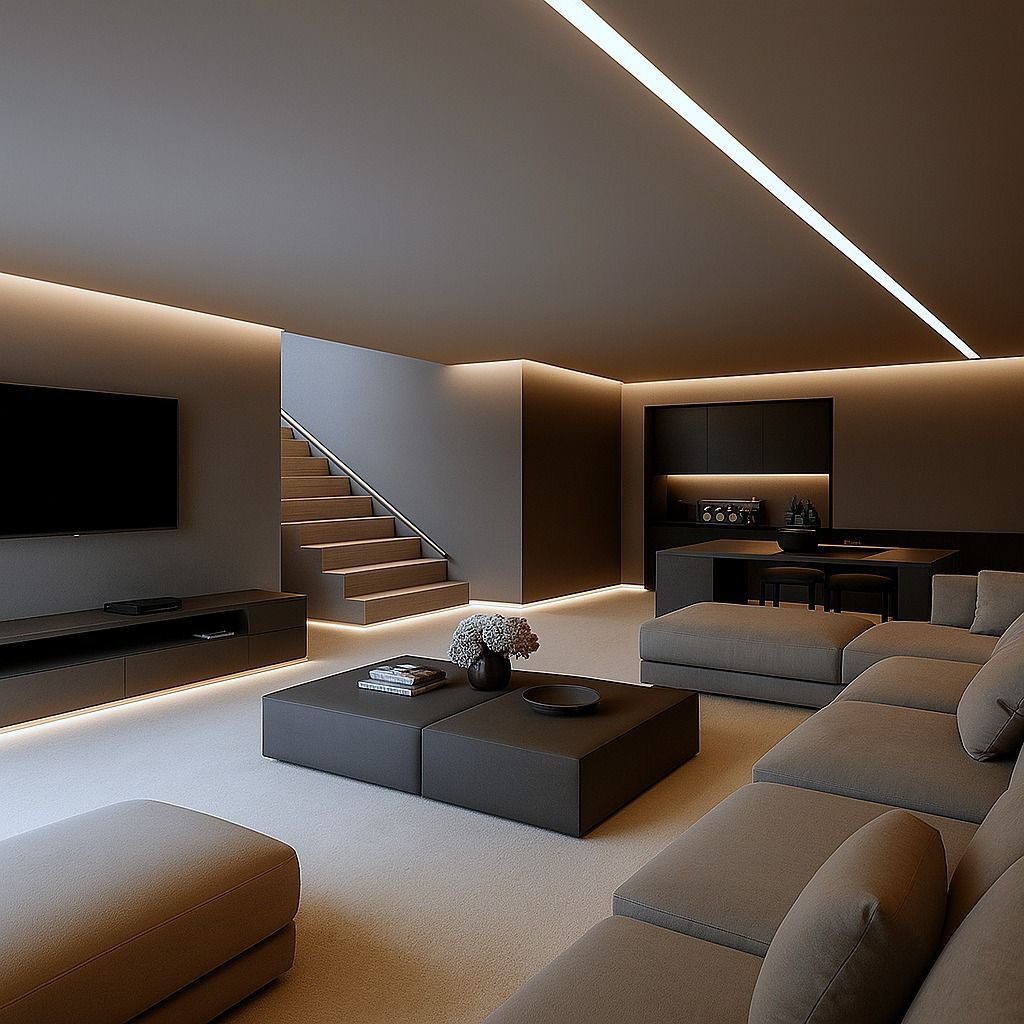
Colour Tricks: From Pale Neutrals to Colour Drenching
Colour can change the proportions of a small room faster than any furniture swap. Start with your walls: light color palettes create a bright and airy room atmosphere. Warm off-white, soft greige and pale stone reflect natural light and make narrow rooms feel wider. Light colours like pale grey reflect more light in rooms than brilliant white, which can look harsh and clinical under grey UK skies.
A simple colour palette of two or three main shades keeps things cohesive. A cohesive color palette avoids overwhelming small living rooms-add accent through cushions and throws rather than competing wall colours.
For something bolder, try a colour drench: painting walls, skirting boards, doors and even the ceiling in the same colour. This blurs boundaries and makes the room read as one continuous space. Color drenching creates a cohesive look in small spaces and works especially well in rooms with period details like cornices and architraves, where the uniform tone highlights form rather than chops it up. A soft pink living room drench, for instance, gives warmth without weight.
Dark colours can create a cosy atmosphere in small rooms too-think deep blue-grey, forest green or charcoal for a cocooning snug, particularly if the room is mainly used in the evenings. Balance darker tones with warm lighting, pale upholstery and mirrors so the space doesn’t tip into cave territory. A bright colour used sparingly on a single cushion or vase lifts the scheme.
Vertical stripes on wallpaper or painted bands draw the eye upwards and fake taller ceilings in low-ceilinged ex-council flats. A light palette on the ceiling paired with slightly deeper walls creates a similar lift. Either way, keep the palette tight-too many competing colours break flow and make a small space feel chaotic.
Storage and Built-Ins: Hiding Clutter, Keeping Character
Clutter is the enemy. In a room that doubles as home office, playroom and dining area, visible mess shrinks perception faster than anything else.
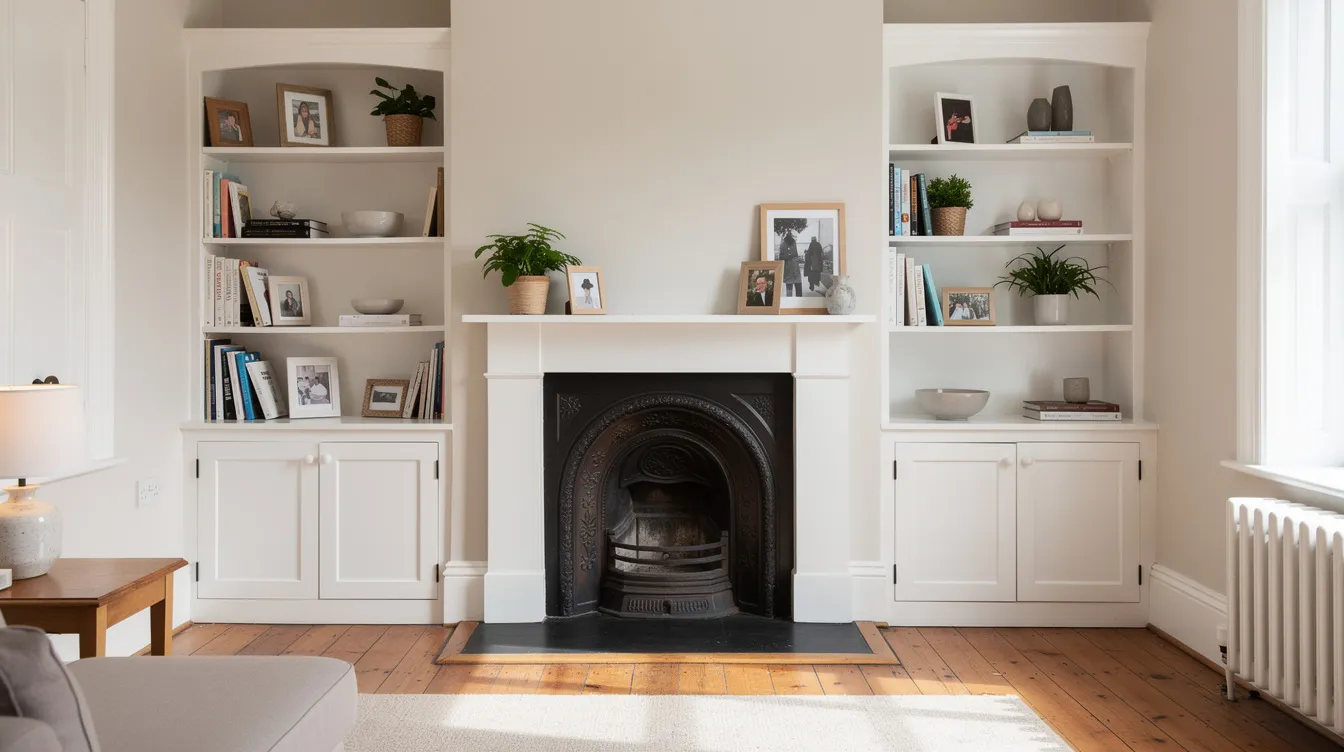
Built-in storage solutions save floor space in small rooms. Think alcove cupboards and shelving flanking a chimney breast, or full-height units across an entire wall in a new-build flat. Paint them the same colour as the wall and they practically disappear.
Furniture with hidden storage minimises clutter in small spaces. Storage ottomans provide hidden storage and seating-perfect for stashing blankets, board games and remote controls. A coffee table with drawers or a lift-up top does double duty without adding bulk. These are clever storage solutions that earn their keep.
Use shelving units as subtle dividers in open-plan layouts. An open bookcase between the sitting area and a dining table works as a room divider while keeping light flowing through. To incorporate shelving without eating into the room, opt for floating shelves on walls-they utilise vertical space effectively and keep the floor completely clear.
Bay windows in Victorian and Edwardian homes are often under-used. A built-in window seat with hidden storage under the bench transforms dead space into functional seating and concealed extra storage for toys, shoes or bulky items. Bespoke builds typically cost £800 to £2,500 depending on materials and finish.
Budget-friendly options exist too. Painting off-the-shelf bookcases the same colour as the wall gives a “fitted” look without joinery costs. Simple MDF built-ins for alcoves are a weekend project that delivers outsized results-a clever way to add serious storage without sacrificing style.
Use Walls, Ceilings and Vertical Space
When floor space is tight, think vertically. Using vertical space can maximise storage in small rooms, and every centimetre above sofa height is valuable real estate.
Wall lights free up floor space that would otherwise go to a floor lamp. Plug-in wall lights suit renters who can’t rewire, and they come in attractive designs from around £25. Wall-mounted TVs free up valuable floor space too-swap a chunky TV unit for a slim floating media shelf and hide cables in trunking painted to match the wall.
A gallery wall of curated framed prints, family photos or vintage travel posters adds personality and draws the eye upwards without taking any floor space. In very small spaces, one oversized piece of wall art makes a stronger statement than lots of tiny frames, which create visual clutter. Adding tall furniture-ladder shelves or floor-to-ceiling bookcases-creates the illusion of higher ceilings and maximises storage in spaces with a high ceiling or even an average one.
Painting skirting boards the same shade as your walls removes visual breaks and makes the room flow. Simple wall panelling adds texture and interest without any bulky furniture-just paint it to match. These are small decorative items in terms of effort but big in impact.
Lighting Layers for Small Living Rooms
A single ceiling pendant rarely cuts it in a room that shifts from home office to movie night. Smart lighting means layering three types: ambient, task and accent.
For ambient light, use a ceiling fixture or recessed downlights on a dimmer switch so you can shift from bright working light to a cosy living room glow. For task lighting, position a slender table lamp on a narrow side table beside the sofa, or use a clip-on reading light. Accent lighting-LED strips under shelves, picture lights above wall art, even fairy lights-adds warmth and highlights architecture.
Warm-white bulbs (2700–3000 K) create the most inviting atmosphere. In rented flats, plug-in wall lights and LED strip lighting under shelves offer an easy upgrade that doesn’t require rewiring. Swap lampshades seasonally to refresh the room’s mood without spending much. Layered lighting makes even the smallest space feel considered and atmospheric.
Floors, Rugs and the “Bigger on the Inside” Trick
Continuous, light flooring makes a small living room feel larger, especially in open-plan kitchen-living spaces. Pale oak, whitewashed wood or light laminate works well; very dark or heavily patterned flooring can close things in.
Laying planks lengthwise along the longest wall elongates the room visually. A diagonal lay has the same effect on width. In a small Nottingham terrace lounge, pale oak-effect engineered flooring laid lengthwise, paired with a large neutral rug, made the room feel noticeably wider.
Rugs should be sized to fit all front legs of the furniture on top of them-this anchors the seating area and pulls the scheme together. A rug that’s too small “floats” awkwardly and chops the room up. Textured rugs in natural materials like jute, wool or Berber styles add warmth without overwhelming a compact space. Avoid very high-contrast busy patterns on the floor; they make the eye jump and the room feel restless.
Furniture That Works Hard: Extra Storage and Multifunction Pieces
Every piece in a small living room should earn its place. Using multi-functional furniture maximises space in small rooms and means you can have fewer items doing more jobs-no room for too many pieces that only serve one purpose.
- Sofa beds for studio and one-bed flats handle seating by day and sleeping by night
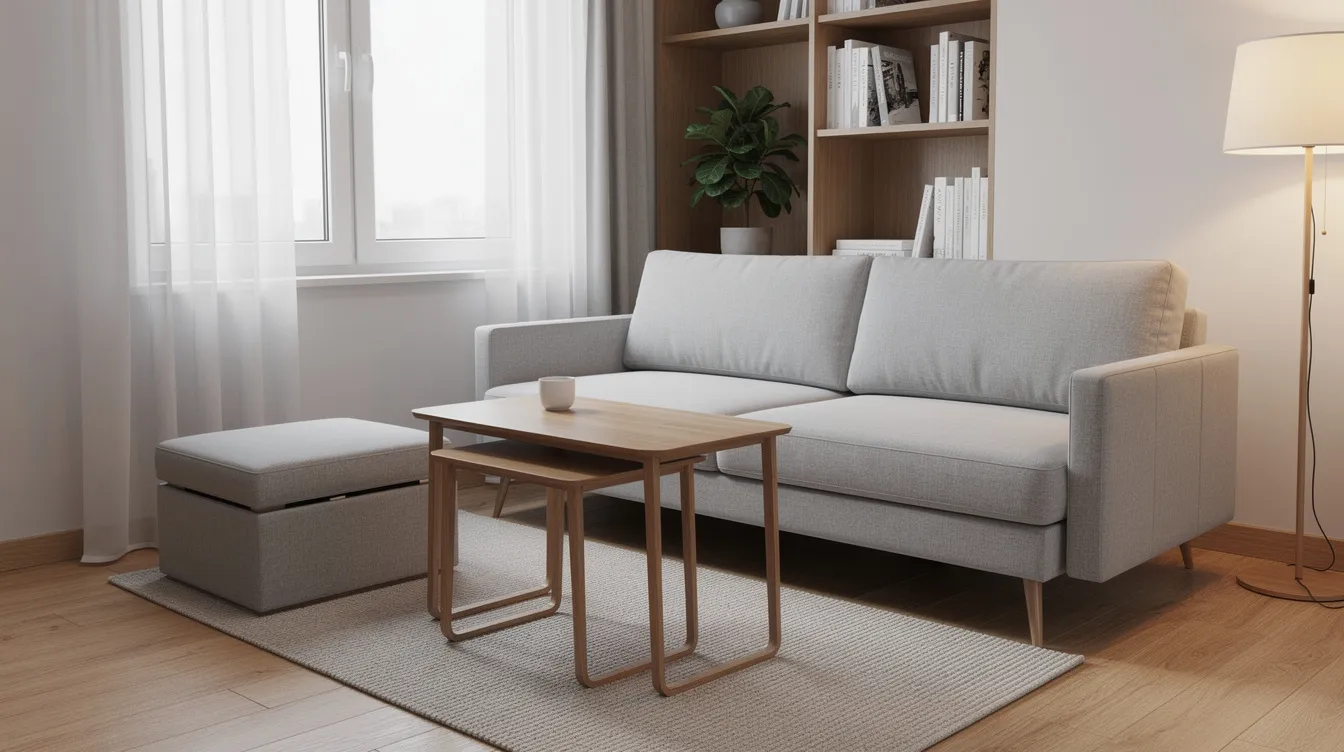
- Nesting tables stack together when not needed, then fan out for entertaining
- Ottomans can serve as coffee tables and storage simultaneously
- Stools tuck beneath narrow consoles to save space when not in use
- Foldable tables save space when not in use-ideal for open-plan living-dining rooms
Furniture with legs makes a room feel more spacious because the visible floor beneath reads as extra space. A 2-seater sofa rather than a 3-seater, a slim console instead of a deep sideboard-keeping essential furniture in proportion is crucial in narrow, galley-style lounges.
For more inspiration, look at transparent furniture: an acrylic or glass side table maintains an open feel in small spaces by letting sightlines pass through. It’s a favourite trick of many an interior designer working with compact city flats.
Style on a Budget: Simple Updates for Small Living Rooms
You don’t need a big spend to transform a small space. These budget-friendly ideas suit renters and first-time buyers across the UK.
- Repaint walls and woodwork. A tin of paint and a weekend can change everything. Even painting the ceiling a shade lighter lifts a low room.
- Swap soft furnishings. New cushion covers, throws and lampshades refresh a room without furniture costs. Mixing textures and colours adds interest to small spaces-try a linen cushion against a chunky knit throw.
- Hunt vintage. Slim side tables, mirrors and small armchairs from charity shops and online marketplaces add character without crowding.
- DIY shelving. Simple plywood floating shelves or a painted second-hand bookcase offer storage on the cheap.
- Quick swaps. Replace a bulky TV unit with a wall-mounted shelf. Change heavy curtains for light, floor-length versions. Add hooks and baskets behind doors.
These are all small moves that add depth to a room’s personality and create a space that feels curated, not cluttered-the definition of a creative challenge well met, without sacrificing style.
FAQs: Small Living Room Questions Answered
What is the best way to maximise space in a very small living room?
Start by decluttering ruthlessly-if it doesn’t earn its keep, it goes. Then maximise space with built-in or wall-to-wall storage so mess stays hidden. Choose scaled-down furniture on legs, use mirrors to bounce natural light, and keep floors as clear as possible. A colour drench on walls and woodwork blurs edges and makes the room read as larger.
Which sofa shape works best in a small space?
Compact corner sofas with narrow arms work well tucked into a corner, freeing floor in front. Two-seater sofas and modular designs offer flexibility. Low-back styles with slim profiles help ceilings feel taller. Avoid over-deep seats and chunky arms-test in a showroom before committing, and always measure enough space for walkways around the piece.
How can I decorate a rented small living room without making major changes?
Focus on removable solutions: plug-in wall lights, freestanding shelving units, large rugs to cover tired flooring, leaning artwork rather than drilling, and tension-rod curtains. Peel-and-stick wallpaper on a single wall adds personality that peels off at the end of a tenancy. These room ideas work without touching the landlord’s paintwork.
Can dark colours work in a tiny living room?
Absolutely. A dark, saturated colour drench-forest green, charcoal, deep navy-creates a cocooning, luxurious feel, especially in rooms used mainly in the evenings. Balance it with warm lamps, pale upholstery, mirrors and at least one lighter surface. The key is strong, layered lighting so the room feels deliberate rather than dingy.
How do I fit a dining area into a small living room?
Round or drop-leaf tables save space and soften corners. A bench along a wall tucks neatly away. Use a rug to zone the dining area, and hang a pendant or wall light above to visually separate it from the sitting zone. In open-plan layouts, position the sofa as a natural divider-you’ll be surprised how much extra space this creates.