


Close Menu
PAD MagazinePAD Magazine
    Pages
    • About PAD Magazine
    • Advertise
    • Contact
    • Contribute Property and Home Improvement related content
    • Home
    • Newsletter Advertising
    • Pad Team
    • Property & Development Magazine
    • Subscribe
    Facebook X (Twitter) Instagram
    • Contribute
    • About PAD Magazine
    • Pad Team
    X (Twitter) RSS
    PAD MagazinePAD Magazine
    • Home
    • New Builds
      • Sales & Marketing
      • Regeneration
      • Planning & Design
      • Sustainable Construction
    • Luxury Living
      • Interior Design
      • Lifestyle
      • Property Renovation & Refurbishment
      • Garden & Lanscaping
      • Home Decor
    • News
      • Software
      • Energy & Utilities
      • Affordable Housing
      • Environment
      • Plant & Machinery
      • Products & Materials
      • Infrastructure & Energy
    • About
      • Pad Team
      • Contribute Property and Home Improvement related content
    • Contact
    Subscribe
    PAD MagazinePAD Magazine
    You are at:Home Trading Card Culture Is Expanding Beyond Hobby Into Everyday Retail Spaces
    Gaming

    Trading Card Culture Is Expanding Beyond Hobby Into Everyday Retail Spaces

    Sam AllcockBy Sam Allcock02/04/2026No Comments4 Mins Read17 Views
    Facebook Twitter Pinterest Telegram LinkedIn Tumblr Email Reddit
    trading card culture
    Share
    Facebook Twitter LinkedIn Pinterest WhatsApp Email

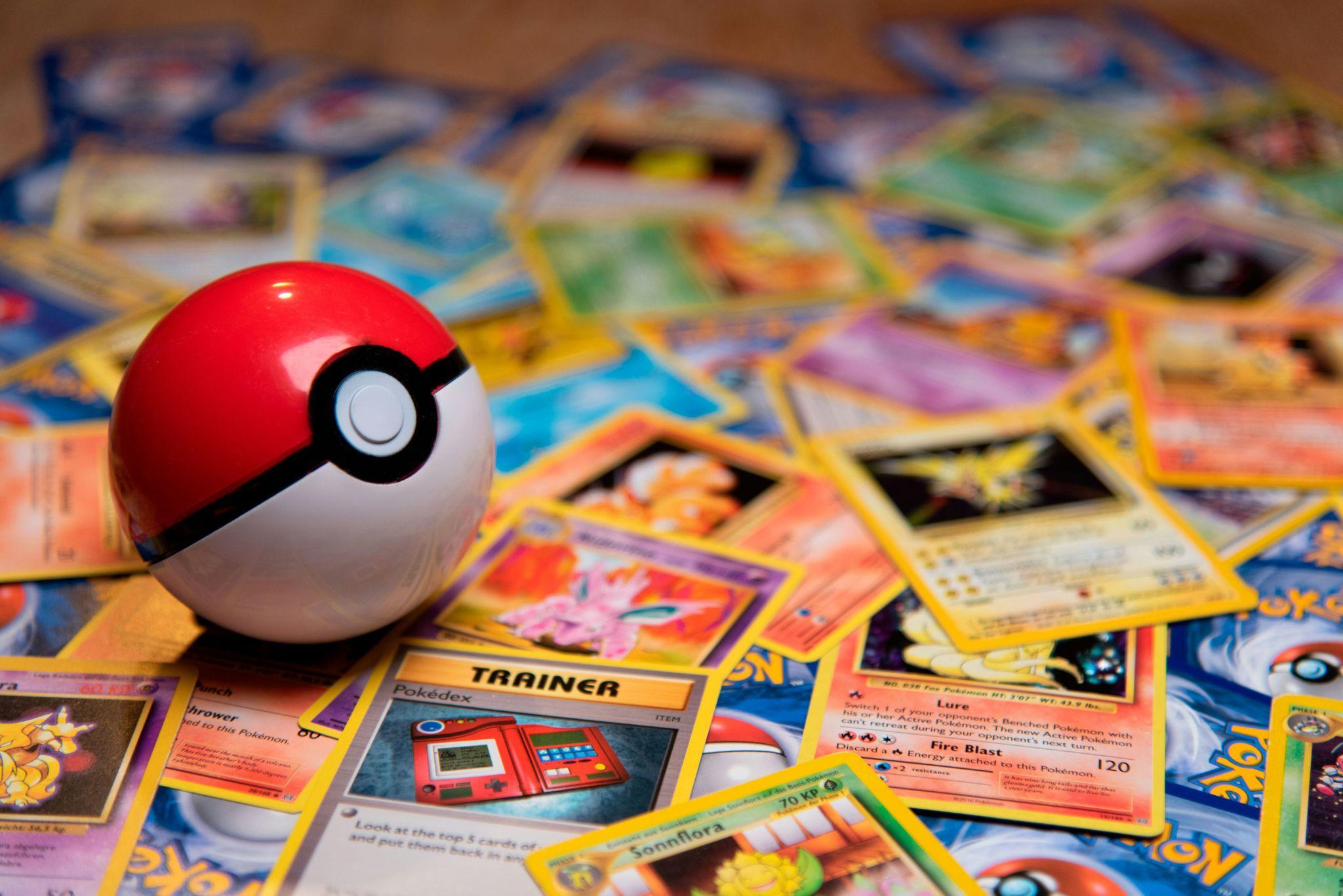
    Photo by Thimo Pedersen on Unsplash

    Across retail environments and community-driven venues, trading card culture is experiencing a noticeable resurgence. What was once considered a niche hobby is now influencing how stores design experiences, attract foot traffic, and build repeat engagement. Collectible card games are no longer limited to dedicated hobby shops; they are appearing in broader retail contexts where interaction and community are just as important as the products themselves.

    This shift reflects a growing demand for experiences that combine entertainment, strategy, and social connection. Trading cards offer all three, making them a natural fit for spaces that want to move beyond transactional interactions and create environments people return to regularly.

    Retail Spaces Are Becoming Interaction Hubs

    Modern retail is evolving to prioritize engagement over simple transactions. Stores are increasingly designed to encourage people to stay longer, explore, and participate in activities rather than just make a purchase. This has opened the door for hobby-based products to play a larger role in shaping in-store experiences.

    Trading card games are particularly effective in this context because they invite interaction. Players gather, exchange strategies, and build connections, transforming retail locations into informal social hubs that extend beyond traditional shopping behavior.

    Collectibility Drives Repeat Visits

    One of the defining characteristics of trading card culture is collectibility. The desire to complete sets, find rare cards, or improve decks encourages repeat visits and ongoing engagement. This behavior aligns well with retail strategies focused on customer retention.

    Options like riftbound singles highlight how individual cards can become focal points for collectors and players alike. Instead of purchasing complete sets, many enthusiasts return regularly to find specific additions, creating a continuous cycle of interest and interaction.

    See also  Ireland's Move from Traditional Casinos to Online Gaming

    Community Events Strengthen Retail Value

    Events such as tournaments, casual play sessions, and release days add another layer to the retail experience. These gatherings bring people together, creating opportunities for interaction that go beyond the product itself.

    By hosting events, retailers can build stronger relationships with their customers. These experiences encourage loyalty, as participants begin to associate the space with both social interaction and personal enjoyment.

    Strategy and Skill Keep Players Engaged

    Trading card games are not only about collecting; they also involve strategy, planning, and skill development. This combination keeps players engaged over time, as there is always room to improve and adapt.

    This ongoing challenge contributes to the longevity of the hobby. Players remain invested because the experience evolves, offering new strategies and possibilities with each interaction.

    Retail Design Is Adapting to Hobby Culture

    As trading card culture grows, retail spaces are being redesigned to accommodate it. Seating areas, open tables, and flexible layouts are becoming more common, allowing stores to support both shopping and gameplay.

    This adaptability reflects a broader trend in retail, where spaces are designed to serve multiple purposes. By integrating hobby culture into their layout, businesses can create environments that feel more dynamic and engaging.

    The Influence of Niche Communities on Mainstream Retail

    What begins in niche communities often influences broader trends, and trading card culture is a clear example of this pattern. As interest grows, elements of the hobby are being incorporated into more mainstream retail environments.

    This transition highlights how specialized interests can shape larger industries. By responding to these trends, retailers can stay relevant and connect with audiences in more meaningful ways.

    See also  Global Collectibles Business to Move into Milton Keynes’ Greenest Office Building

    Economic Impact of Collectible Markets

    Collectible markets, including trading cards, have a measurable impact on retail performance. The demand for rare and limited items creates a sense of urgency and excitement that drives purchasing behavior.

    According to insights from the National Retail Federation (NRF), experiential retail strategies that incorporate engagement and community interaction can significantly increase customer retention and spending. Trading card culture aligns closely with these principles, making it a valuable addition to modern retail models.

    Social Connection Remains Central

    At its core, trading card culture is about connection. Whether through competition, collaboration, or shared enthusiasm, players form relationships that extend beyond the game itself.

    This social aspect is one of the main reasons the hobby continues to grow. It offers a structured yet flexible way for people to interact, making it accessible to a wide range of participants.

    A Growing Role in Everyday Spaces

    The expansion of trading card culture into everyday retail spaces reflects a broader shift toward interactive and community-focused environments. These spaces are no longer defined solely by what they sell, but by the experiences they offer.

    As this trend continues, trading card games are likely to remain an important part of how retail evolves. By combining collectibility, strategy, and social interaction, they provide a model for how products can shape not just purchasing behavior, but the overall experience of a space.

    collectibles Community Engagement gaming retail culture trading cards
    Share. Facebook Twitter Pinterest LinkedIn Reddit WhatsApp Telegram Email
    Previous ArticleWhy Premium Oak Firewood Logs are the Best Choice for Wood Burners in the UK?
    Next Article Nummixo.com Review: Is This Platform Suitable for Secure and Reliable Trading?
    Sam Allcock
    Sam Allcock
    • Website
    • X (Twitter)
    • LinkedIn

    With over 20 years of experience in the field SEO and digital marketing, Sam Allcock is a highly regarded entrepreneur. He is based in Cheshire but has an interest in all things going on in the property and development world.

    Related Posts

    How One Solo Developer Rescued Three Years of Devlog Footage With an X Downloader

    10/04/2026

    GameZone Rewards Players Who Know Where to Look

    08/04/2026

    What Mistakes in Pin Up Cause a Player to Lose a Gift Box and Its Prizes

    27/03/2026
    Search
    Categories
    • Adult
    • Affordable Housing
    • AI
    • Animals & Pets
    • Architecture
    • Art & Entertainment
    • Automotive
    • Awards
    • Beauty
    • Builds & Development
    • Business, Legal & Financial
    • Casino
    • Celebrities
    • Charity
    • Construction
    • Coronavirus
    • Corporate Social Responsibility
    • Crypto
    • Education
    • Energy
    • Energy & Utilities
    • Environment
    • Events
    • Fashion
    • Finance
    • Gambling
    • Gaming
    • Garden & Lanscaping
    • Health
    • Health and safety
    • Home Decor
    • Homes and Interiors
    • Housing
    • Infrastructure & Energy
    • Interior Design
    • International
    • Jobs & Training
    • Law
    • Leisure & Hospitality
    • Lifestyle
    • Luxury Living
    • Management & Estate Services
    • Manufacturing
    • Marketing
    • Medical
    • Net Worth
    • News
    • Op-Ed
    • Planning & Design
    • Plant & Machinery
    • Plumbing
    • Politics
    • Press Releases
    • Products & Materials
    • Property
    • Property Renovation & Refurbishment
    • Real Estate
    • Regeneration
    • Sales & Marketing
    • Software
    • Sport
    • Student Living
    • Sustainable Construction
    • Technologies
    • Tips
    • Tips
    • Travel & Tourism

    Subscribe to Updates

    Get the latest creative news from FooBar about art, design and business.

    Starting a Business in Dubai Mainland: A Complete Setup Guide for UK Residents

    8 Materials Used in Basement Damp Proofing London

    How to Match Hardwood Floors With Your Interior Design Style

    What Makes a Home “Energy Smart” in 2026

    Starting a Business in Dubai Mainland: A Complete Setup Guide for UK Residents

    8 Materials Used in Basement Damp Proofing London

    How to Match Hardwood Floors With Your Interior Design Style

    What Makes a Home “Energy Smart” in 2026

    © 2026 ThemeSphere. Designed by Property & development.

    Type above and press Enter to search. Press Esc to cancel.

    Manage Cookie Consent
    To provide the best experiences, we use technologies like cookies to store and/or access device information. Consenting to these technologies will allow us to process data such as browsing behaviour or unique IDs on this site. Not consenting or withdrawing consent, may adversely affect certain features and functions.
    Functional Always active
    The technical storage or access is strictly necessary for the legitimate purpose of enabling the use of a specific service explicitly requested by the subscriber or user, or for the sole purpose of carrying out the transmission of a communication over an electronic communications network.
    Preferences
    The technical storage or access is necessary for the legitimate purpose of storing preferences that are not requested by the subscriber or user.
    Statistics
    The technical storage or access that is used exclusively for statistical purposes. The technical storage or access that is used exclusively for anonymous statistical purposes. Without a subpoena, voluntary compliance on the part of your Internet Service Provider, or additional records from a third party, information stored or retrieved for this purpose alone cannot usually be used to identify you.
    Marketing
    The technical storage or access is required to create user profiles to send advertising, or to track the user on a website or across several websites for similar marketing purposes.
    • Manage options
    • Manage services
    • Manage {vendor_count} vendors
    • Read more about these purposes
    View preferences
    • {title}
    • {title}
    • {title}