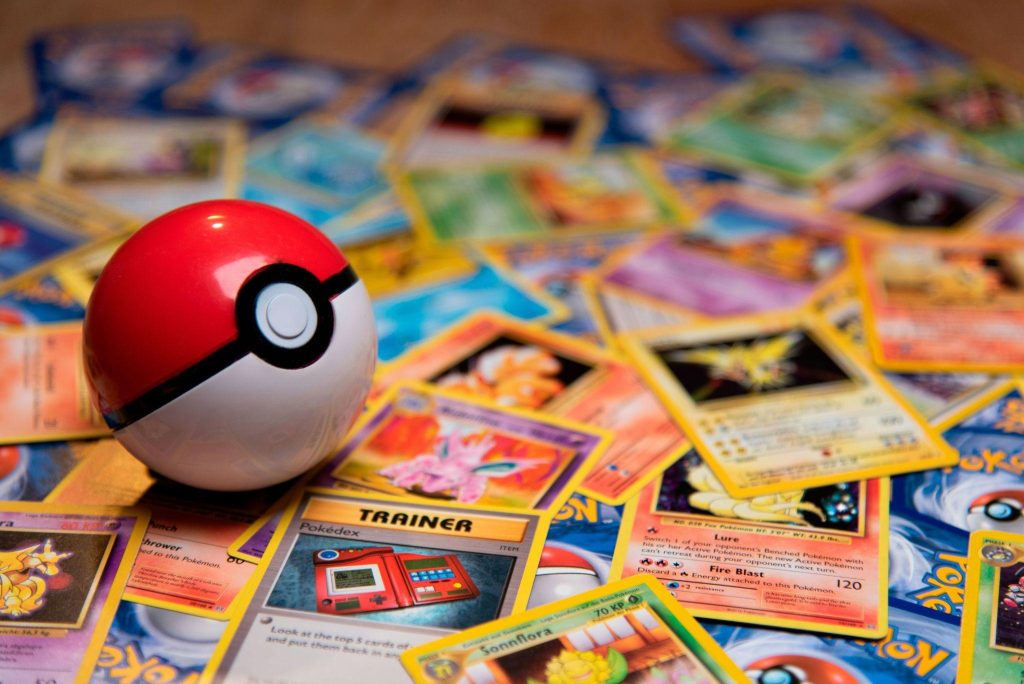
Photo by Thimo Pedersen on Unsplash
Across retail environments and community-driven venues, trading card culture is experiencing a noticeable resurgence. What was once considered a niche hobby is now influencing how stores design experiences, attract foot traffic, and build repeat engagement. Collectible card games are no longer limited to dedicated hobby shops; they are appearing in broader retail contexts where interaction and community are just as important as the products themselves.
This shift reflects a growing demand for experiences that combine entertainment, strategy, and social connection. Trading cards offer all three, making them a natural fit for spaces that want to move beyond transactional interactions and create environments people return to regularly.
01Retail Spaces Are Becoming Interaction Hubs
Modern retail is evolving to prioritize engagement over simple transactions. Stores are increasingly designed to encourage people to stay longer, explore, and participate in activities rather than just make a purchase. This has opened the door for hobby-based products to play a larger role in shaping in-store experiences.
Trading card games are particularly effective in this context because they invite interaction. Players gather, exchange strategies, and build connections, transforming retail locations into informal social hubs that extend beyond traditional shopping behavior.
02Collectibility Drives Repeat Visits
One of the defining characteristics of trading card culture is collectibility. The desire to complete sets, find rare cards, or improve decks encourages repeat visits and ongoing engagement. This behavior aligns well with retail strategies focused on customer retention.
Options like riftbound singles highlight how individual cards can become focal points for collectors and players alike. Instead of purchasing complete sets, many enthusiasts return regularly to find specific additions, creating a continuous cycle of interest and interaction.
03Community Events Strengthen Retail Value
Events such as tournaments, casual play sessions, and release days add another layer to the retail experience. These gatherings bring people together, creating opportunities for interaction that go beyond the product itself.
By hosting events, retailers can build stronger relationships with their customers. These experiences encourage loyalty, as participants begin to associate the space with both social interaction and personal enjoyment.
04Strategy and Skill Keep Players Engaged
Trading card games are not only about collecting; they also involve strategy, planning, and skill development. This combination keeps players engaged over time, as there is always room to improve and adapt.
This ongoing challenge contributes to the longevity of the hobby. Players remain invested because the experience evolves, offering new strategies and possibilities with each interaction.
05Retail Design Is Adapting to Hobby Culture
As trading card culture grows, retail spaces are being redesigned to accommodate it. Seating areas, open tables, and flexible layouts are becoming more common, allowing stores to support both shopping and gameplay.
This adaptability reflects a broader trend in retail, where spaces are designed to serve multiple purposes. By integrating hobby culture into their layout, businesses can create environments that feel more dynamic and engaging.
06The Influence of Niche Communities on Mainstream Retail
What begins in niche communities often influences broader trends, and trading card culture is a clear example of this pattern. As interest grows, elements of the hobby are being incorporated into more mainstream retail environments.
This transition highlights how specialized interests can shape larger industries. By responding to these trends, retailers can stay relevant and connect with audiences in more meaningful ways.
07Economic Impact of Collectible Markets
Collectible markets, including trading cards, have a measurable impact on retail performance. The demand for rare and limited items creates a sense of urgency and excitement that drives purchasing behavior.
According to insights from the National Retail Federation (NRF), experiential retail strategies that incorporate engagement and community interaction can significantly increase customer retention and spending. Trading card culture aligns closely with these principles, making it a valuable addition to modern retail models.
08Social Connection Remains Central
At its core, trading card culture is about connection. Whether through competition, collaboration, or shared enthusiasm, players form relationships that extend beyond the game itself.
This social aspect is one of the main reasons the hobby continues to grow. It offers a structured yet flexible way for people to interact, making it accessible to a wide range of participants.
09A Growing Role in Everyday Spaces
The expansion of trading card culture into everyday retail spaces reflects a broader shift toward interactive and community-focused environments. These spaces are no longer defined solely by what they sell, but by the experiences they offer.
As this trend continues, trading card games are likely to remain an important part of how retail evolves. By combining collectibility, strategy, and social interaction, they provide a model for how products can shape not just purchasing behavior, but the overall experience of a space.
