


Close Menu
PAD MagazinePAD Magazine
    Pages
    • About PAD Magazine
    • Advertise
    • Contact
    • Contribute Property and Home Improvement related content
    • Home
    • Newsletter Advertising
    • Pad Team
    • Property & Development Magazine
    • Subscribe
    Facebook X (Twitter) Instagram
    • Contribute
    • About PAD Magazine
    • Pad Team
    X (Twitter) RSS
    PAD MagazinePAD Magazine
    • Home
    • New Builds
      • Sales & Marketing
      • Regeneration
      • Planning & Design
      • Sustainable Construction
    • Luxury Living
      • Interior Design
      • Lifestyle
      • Property Renovation & Refurbishment
      • Garden & Lanscaping
      • Home Decor
    • News
      • Software
      • Energy & Utilities
      • Affordable Housing
      • Environment
      • Plant & Machinery
      • Products & Materials
      • Infrastructure & Energy
    • About
      • Pad Team
      • Contribute Property and Home Improvement related content
    • Contact
    Subscribe
    PAD MagazinePAD Magazine
    You are at:Home Why Future Cities Depend on Climate-Adaptive Structural Systems
    Environment

    Why Future Cities Depend on Climate-Adaptive Structural Systems

    Sam AllcockBy Sam Allcock23/04/2026No Comments4 Mins Read6 Views
    Facebook Twitter Pinterest Telegram LinkedIn Tumblr Email Reddit
    Share
    Facebook Twitter LinkedIn Pinterest WhatsApp Email

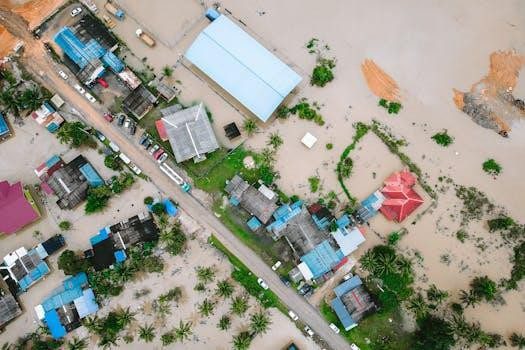
    Cities keep pretending that climate risk sits politely outside the planning office. It doesn’t. Heat swells asphalt into a soft argument. Rain turns basements into aquariums. Wind finds the lazy joint, the cheap fix, the corner cut in a tender moment of value engineering. The old civic fantasy says a building stands still while the weather passes by like a well-behaved visitor. That fantasy now looks quaint. Climate-adaptive structural systems matter because the city itself has become a moving target. Foundations, frames, façades, and services must withstand wider swings, faster shocks, and longer periods of stress. Static design no longer counts as prudent. It counts as negligent.

    Structures That Learn to Bend

    A future city needs buildings that treat climate as a daily condition, not a rare event. That starts with systems that can change, swap, expand, and retreat. Modular thinking offers the blunt advantage. Parts arrive, parts leave, parts get replaced before they fail. The key is a structural logic that expects change and makes change cheap. Raised service routes, demountable partitions, and frames that accept reinforcement without surgery should be included in the standard kit. Off-site methods also cut exposure to bad weather during construction and tighten quality control. Leading suppliers of concrete products, such as modularcubed.co.uk, signal what the market admits. Repeatable components make repair faster. Cities need parts that fit.

    Heat, Water, Wind: The Brutal Trio

    Heat does not simply make people uncomfortable. Heat attacks materials. It pushes expansion joints, softens sealants, and cooks membranes that once lasted decades. Water does not politely drain. Water hunts for pressure points, then rots timber, corrodes steel, and ruins insulation, leaving the building to perform like a damp cardigan. Wind turns height into a liability and corners into weapons. Climate-adaptive structural systems answer with specifics. Allow movement without cracking. Keep services above flood lines. Choose fixings that tolerate vibration. Drainage capacity must match new downpours. Roofs must expect ponding.

    See also  First phase of improved recycling service to launch this month

    The Hidden Economy of Resilience

    Resilience talk often sounds like a moral sermon. Markets do not care about sermons. Markets care about downtime, insurance, repair bills, and reputation. Climate-adaptive structural systems win because they reduce the cost of being wrong. A building that closes for months after flooding bleeds rent and breaks communities. A transport hub that fails in heat turns a whole city into a late apology. The sharpest argument sits in lifecycle maths. Design for access. Design for inspection. Design for replacement. Bolted connections beat glued fantasies when speed matters. Redundancy beats single points of failure.

    Governance, Codes, and the Politics of Physics

    Physics does not negotiate. Politics tries anyway. Building codes lag behind climate reality because committees move slowly, and developers push back. Cities that want to stay habitable must treat standards as living documents. Flood maps must be updated. Heat allowances must rise. Wind loading assumptions must stop clinging to yesterday’s averages. Planning policy should reward designs that accept retrofits, not punish them for looking unfamiliar. Public clients can lead by demanding adaptable frames, clear maintenance access, and verified performance rather than glossy renderings. Procurement must stop worshipping the lowest upfront number. A city either plans for the forces it faces or pays after each disaster.

    Conclusion

    Climate-adaptive structural systems do not represent a fashionable niche. They represent the baseline for urban competence. Cities operate as networks of stress. Transport, housing, energy, health, and commerce all lean on the assumption that buildings stay usable. Climate volatility first breaks that assumption, then spreads failure outward. Adaptation means designing structures that accept repair, movement, and replacement as normal. It means fewer heroic one-off projects and more repeatable, inspectable systems that crews can understand during a storm. The city that takes this seriously will look quietly prepared, with buildings that keep operating even when the weather misbehaves.

    See also  Affordable Mobile Home Remodel Ideas That Add Style and Value

    Author

    • Sam Allcock
      Sam Allcock

      With over 20 years of experience in the field SEO and digital marketing, Sam Allcock is a highly regarded entrepreneur. He is based in Cheshire but has an interest in all things going on in the property and development world.

    Share. Facebook Twitter Pinterest LinkedIn Reddit WhatsApp Telegram Email
    Previous ArticleHow pre-assembled concrete reduces disruption in residential areas
    Next Article How Small Brands Turn Stills Into Moving Stories
    Sam Allcock
    Sam Allcock
    • Website
    • X (Twitter)

    With over 20 years of experience in the field SEO and digital marketing, Sam Allcock is a highly regarded entrepreneur. He is based in Cheshire but has an interest in all things going on in the property and development world.

    Related Posts

    Enviro Waste Management Recognised with Alcumus SafeContractor Certification

    16/03/2026

    Earthshot-Nominated Matter and BSH Report Strong Early Results from Microplastic Filter Partnership

    18/12/2025

    Exploring the Therapeutic Potential of Modern Architecture

    16/10/2025
    Search
    Categories
    • Adult
    • Affordable Housing
    • AI
    • Animals & Pets
    • Architecture
    • Art & Entertainment
    • Automotive
    • Awards
    • Beauty
    • Builds & Development
    • Business, Legal & Financial
    • Casino
    • Celebrities
    • Charity
    • Construction
    • Coronavirus
    • Corporate Social Responsibility
    • Crypto
    • Education
    • Energy
    • Energy & Utilities
    • Environment
    • Events
    • Fashion
    • Finance
    • Gambling
    • Gaming
    • Garden & Lanscaping
    • Health
    • Health and safety
    • Home Decor
    • Homes and Interiors
    • Housing
    • Infrastructure & Energy
    • Interior Design
    • International
    • Jobs & Training
    • Law
    • Leisure & Hospitality
    • Lifestyle
    • Luxury Living
    • Management & Estate Services
    • Manufacturing
    • Marketing
    • Medical
    • Net Worth
    • News
    • Op-Ed
    • Planning & Design
    • Plant & Machinery
    • Plumbing
    • Politics
    • Press Releases
    • Products & Materials
    • Property
    • Property Renovation & Refurbishment
    • Real Estate
    • Regeneration
    • Sales & Marketing
    • Software
    • Sport
    • Student Living
    • Sustainable Construction
    • Technologies
    • Tips
    • Tips
    • Travel & Tourism

    Subscribe to Updates

    Get the latest creative news from FooBar about art, design and business.

    The psychology behind online promotions and why incentives influence consumer behaviour

    How Small Brands Turn Stills Into Moving Stories

    Why Future Cities Depend on Climate-Adaptive Structural Systems

    How pre-assembled concrete reduces disruption in residential areas

    The psychology behind online promotions and why incentives influence consumer behaviour

    How Small Brands Turn Stills Into Moving Stories

    Why Future Cities Depend on Climate-Adaptive Structural Systems

    How pre-assembled concrete reduces disruption in residential areas

    © 2026 ThemeSphere. Designed by Property & development.

    Type above and press Enter to search. Press Esc to cancel.

    Manage Cookie Consent
    To provide the best experiences, we use technologies like cookies to store and/or access device information. Consenting to these technologies will allow us to process data such as browsing behaviour or unique IDs on this site. Not consenting or withdrawing consent, may adversely affect certain features and functions.
    Functional Always active
    The technical storage or access is strictly necessary for the legitimate purpose of enabling the use of a specific service explicitly requested by the subscriber or user, or for the sole purpose of carrying out the transmission of a communication over an electronic communications network.
    Preferences
    The technical storage or access is necessary for the legitimate purpose of storing preferences that are not requested by the subscriber or user.
    Statistics
    The technical storage or access that is used exclusively for statistical purposes. The technical storage or access that is used exclusively for anonymous statistical purposes. Without a subpoena, voluntary compliance on the part of your Internet Service Provider, or additional records from a third party, information stored or retrieved for this purpose alone cannot usually be used to identify you.
    Marketing
    The technical storage or access is required to create user profiles to send advertising, or to track the user on a website or across several websites for similar marketing purposes.
    • Manage options
    • Manage services
    • Manage {vendor_count} vendors
    • Read more about these purposes
    View preferences
    • {title}
    • {title}
    • {title}