Thu 19.11.2026 · The UK's guide to residential, construction and design Search
Business, Legal & Financial

The Appeal of Reclaimed Bricks Continues to Grow as UK Construction Sets Its Sights on a Greener Path

Sustainability is reshaping priorities across the UK construction industry, and one of the most visible signs of that change is the rapidly growing appetite for reclaimed bricks. The material is…

Section
Business, Legal & Financial
Words
480
Published
31.03.2026
Reading
3 min
The Appeal of Reclaimed Bricks Continues to Grow as UK Construction Sets Its Sights on a Greener Path
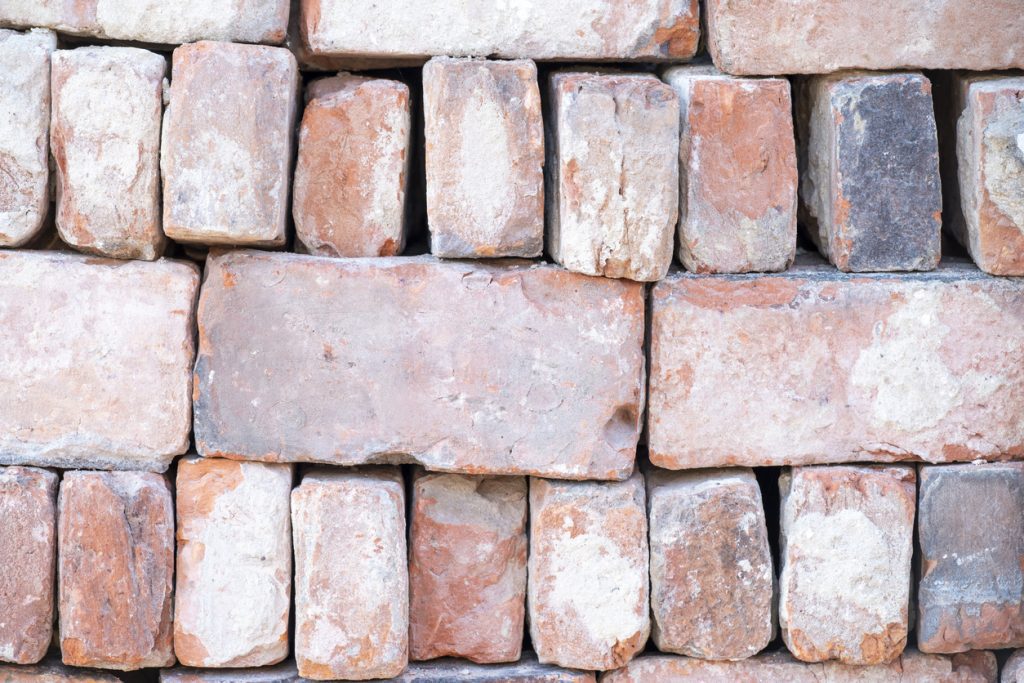
Fig. 1 · Weathered Red Brick Wall Texture Rustic Masonry Background

Sustainability is reshaping priorities across the UK construction industry, and one of the most visible signs of that change is the rapidly growing appetite for reclaimed bricks. The material is attracting attention from a wide range of buyers — homeowners undertaking renovation projects, developers under pressure to demonstrate their environmental credentials, and skilled tradespeople who understand the value of a material that combines practicality with character.

With more than 40 years in the reclamation business, Conservation Building Supplies has long been ahead of the curve. Operating out of Northamptonshire, the company has spent decades building the expertise and supplier networks needed to deliver quality reclaimed building, roofing and landscaping materials to customers across the UK.

From the painstaking restoration of period properties to landscaping projects that demand warmth, texture and a sense of history, reclaimed bricks continue to win over those who believe that doing right by the environment and achieving a beautiful result are goals that can, and should, go hand in hand.

Why Reclaimed Bricks Are Back in DemandReclaimed bricks are salvaged from demolished or redundant buildings and carefully prepared for reuse.Unlike newly manufactured bricks, they offer:
  • Proven durability, often lasting well over a century
  • Unique character and variation that new materials simply can’t replicate
  • A lower environmental impact by reducing the need for new production
  • A cost-effective alternative for many building projects
With growing pressure on the construction industry to cut carbon emissions, reusing existing materials is no longer a niche choice, it’s becoming standard practice.Supporting Both Heritage and Modern BuildsConservation Building Supplies provides a wide range of reclaimed bricks suitable for:
  • Period property restoration and listed buildings
  • Extensions where matching existing brickwork is critical
  • Garden walls and landscaping features
  • New builds looking to achieve a traditional or characterful finish
Each brick is sourced, sorted and prepared to ensure it’s ready for immediate use, helping builders avoid delays on site.Nationwide Supply with Local ExpertiseOperating from their reclamation yard in Staverton, the company offers both collection and nationwide delivery, making it easy for projects across the UK to access high-quality reclaimed materials.Customers also have the option to visit the yard and handpick bricks to match their project, a service particularly valued by developers working on heritage properties where consistency matters.A Practical Step Towards Sustainable ConstructionAs the construction industry faces increasing scrutiny around sustainability, reclaimed bricks provide a simple, effective solution.By giving materials a second life, builders can reduce waste, conserve resources and still achieve a high-end finish.Or put simply, better for the planet, and better-looking walls.About Conservation Building SuppliesConservation Building Supplies is a UK-based specialist in reclaimed building materials, with over 40 years of experience in demolition, salvage and supply. The company offers a wide range of reclaimed products including reclaimed bricks, stone, timber and roofing materials, supporting projects of all sizes across the UK.

Author

News Team

More from News Team →   More from Business, Legal & Financial →