


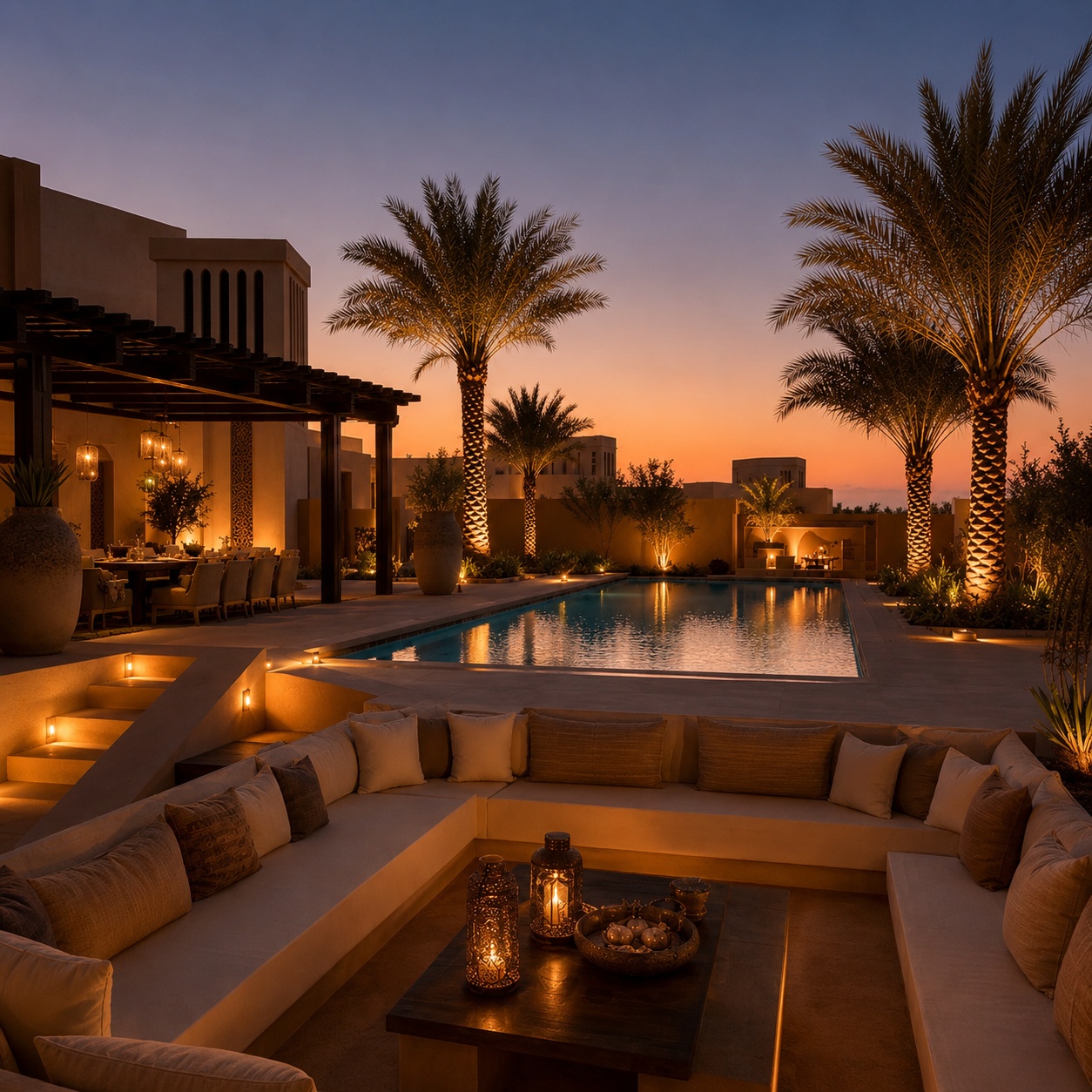
There was a time when outdoor spaces were considered secondary — functional at best, decorative at worst. Today, that perception has shifted dramatically. From high-end resort properties to newly constructed residential homes, the outdoor living area has become one of the most coveted features in modern design. Patios, pergolas, shade structures, and covered lounges are no longer afterthoughts; they are central to how people experience comfort, leisure, and even luxury. This transformation is happening across the hospitality industry and in private residences alike, driven by a growing desire to blur the boundary between indoor and outdoor living.
The Rise of the Outdoor Room
Architects and interior designers have long understood that a well-designed outdoor space can dramatically increase the perceived value of a property. But what has changed in recent years is the level of investment and intentionality being applied to these areas. Homeowners are no longer satisfied with a basic concrete slab and a few plastic chairs. They want fully realized outdoor rooms — spaces with comfortable seating, ambient lighting, weather protection, and even outdoor kitchens or entertainment systems.
This shift is backed by data. According to recent research on patios in new homes from the National Association of Home Builders, patios remain one of the most commonly included outdoor features in newly built homes, reflecting sustained consumer demand for functional, attractive exterior living areas. Builders are responding by incorporating covered patios, extended decking, and premium hardscaping into standard home packages — features that were once reserved for custom builds.
What Homeowners Are Actually Looking For
The modern homeowner’s wish list for outdoor spaces has grown considerably more sophisticated. Weather protection tops the list — particularly in regions with intense sun, monsoon seasons, or unpredictable rainfall. A beautiful patio is only useful if it can be enjoyed year-round, and that requires thoughtful shade and shelter solutions. Beyond protection from the elements, homeowners want spaces that feel like natural extensions of their interior design — cohesive in style, comfortable in function, and visually appealing from every angle.
Privacy is another major factor. As urban and suburban lots become smaller, the ability to create a sense of seclusion outdoors has become increasingly valuable. Pergolas, lattice structures, and strategically placed shade sails can all contribute to a more intimate outdoor environment without sacrificing airflow or natural light.
Luxury Resorts as the Blueprint for Outdoor Excellence
If you want to understand where residential outdoor design is heading, look no further than the world’s leading luxury resorts. These properties have long invested in creating extraordinary outdoor environments because they understand that guests don’t just want a room — they want an experience. Pool decks, shaded cabanas, open-air dining areas, and landscaped terraces are all part of a carefully orchestrated outdoor narrative.
A compelling example of this philosophy in action can be found in the American Southwest. The Hilton Phoenix Tapatio Cliffs Resort in Arizona exemplifies how outdoor living can be elevated to an art form, with seven pools, sweeping desert views, and meticulously designed outdoor spaces that invite guests to linger, relax, and reconnect with the natural landscape. The resort’s approach — layering shade, water features, and comfortable furnishings across expansive outdoor zones — offers a masterclass in how to make exterior spaces feel both grand and intimate simultaneously.
Translating Resort Design to the Residential Scale
The principles that make resort outdoor spaces so compelling are entirely transferable to residential settings. Scale is obviously different, but the core ideas — shade, comfort, visual cohesion, and a sense of destination — apply just as powerfully to a private backyard as they do to a five-star pool deck. Homeowners who approach their outdoor spaces with the same intentionality that resort designers bring to their projects consistently achieve results that are both beautiful and highly functional.
The key is to think of the outdoor area not as a leftover space but as a primary living zone. That means investing in quality materials, durable shade structures, and furnishings that can withstand the elements without sacrificing style. It also means considering how the space will be used at different times of day and in different seasons, and designing accordingly.
The Role of Premium Shade and Cover Solutions
One of the most impactful investments a homeowner can make in their outdoor space is a high-quality shade or cover structure. Whether it’s a pergola, a motorized awning, a patio cover, or a full outdoor enclosure, the right structure can transform an unusable or uncomfortable space into a true outdoor sanctuary. These solutions protect against UV exposure, reduce heat buildup, and extend the usable hours and seasons of any outdoor area.
This is where specialized providers make a meaningful difference. Royal Covers has built a strong reputation in the outdoor living industry by offering premium patio covers, pergolas, and shade solutions that combine durability with refined aesthetics. Their products are designed to complement a wide range of architectural styles, from contemporary desert homes to traditional suburban properties, making it easier for homeowners to achieve that resort-quality outdoor feel without compromising on design integrity.
Material Quality and Long-Term Value
When evaluating shade and cover solutions, material quality is paramount. Aluminum structures offer excellent durability and low maintenance, resisting rust, warping, and fading even in harsh climates. Wood provides a warmer, more traditional aesthetic but requires more upkeep. Hybrid systems that combine structural aluminum with wood-look finishes have become increasingly popular, offering the best of both worlds. Whatever material is chosen, the investment in a quality cover structure consistently delivers strong returns — both in terms of daily enjoyment and long-term property value.
Designing for Climate and Lifestyle
Effective outdoor design is always climate-conscious. In the desert Southwest, where temperatures can soar well above 100 degrees Fahrenheit, shade is not a luxury — it is a necessity. A well-designed patio cover can reduce surface temperatures by 20 degrees or more, making outdoor spaces genuinely usable during peak summer months. In more temperate climates, the focus might shift toward rain protection or wind screening, but the underlying principle remains the same: the outdoor space must be designed to work with local conditions, not against them.
Lifestyle considerations are equally important. A family with young children needs different outdoor features than a couple who primarily entertains guests. Outdoor kitchens, fire pits, water features, and play areas all serve different purposes, and the best outdoor designs integrate these elements seamlessly rather than treating them as isolated additions.
Conclusion: Investing in the Outdoor Experience
The outdoor living revolution is not a passing trend. It reflects a fundamental shift in how people think about their homes and the spaces they inhabit. As the line between indoor and outdoor continues to blur, the quality and design of exterior spaces will only grow in importance — both for personal enjoyment and for property value. Whether you draw inspiration from world-class resort properties or from the latest residential design data, the message is consistent: investing in your outdoor space is one of the smartest decisions a homeowner can make. With the right shade solutions, thoughtful design, and quality materials, any outdoor area can become a true extension of the home — a place where life is lived fully, comfortably, and beautifully.