


Outdoor lighting can change the way a home feels after dark. A plain garden path becomes more welcoming, a small patio feels more finished, and the front of the house looks safer and better cared for. The challenge is that many homeowners do not want the cost, disruption, or planning involved in hardwired exterior lighting. This is where solar garden lighting has become a much more attractive option.
Modern solar lights are no longer just small plastic stakes pushed into the lawn. Today, homeowners can choose from wall lights, pathway lights, spotlights, lantern-style fixtures, and decorative garden accents that improve both function and mood. For anyone looking to upgrade an outdoor space without digging trenches or running new cables, solar lighting is one of the easiest places to start.
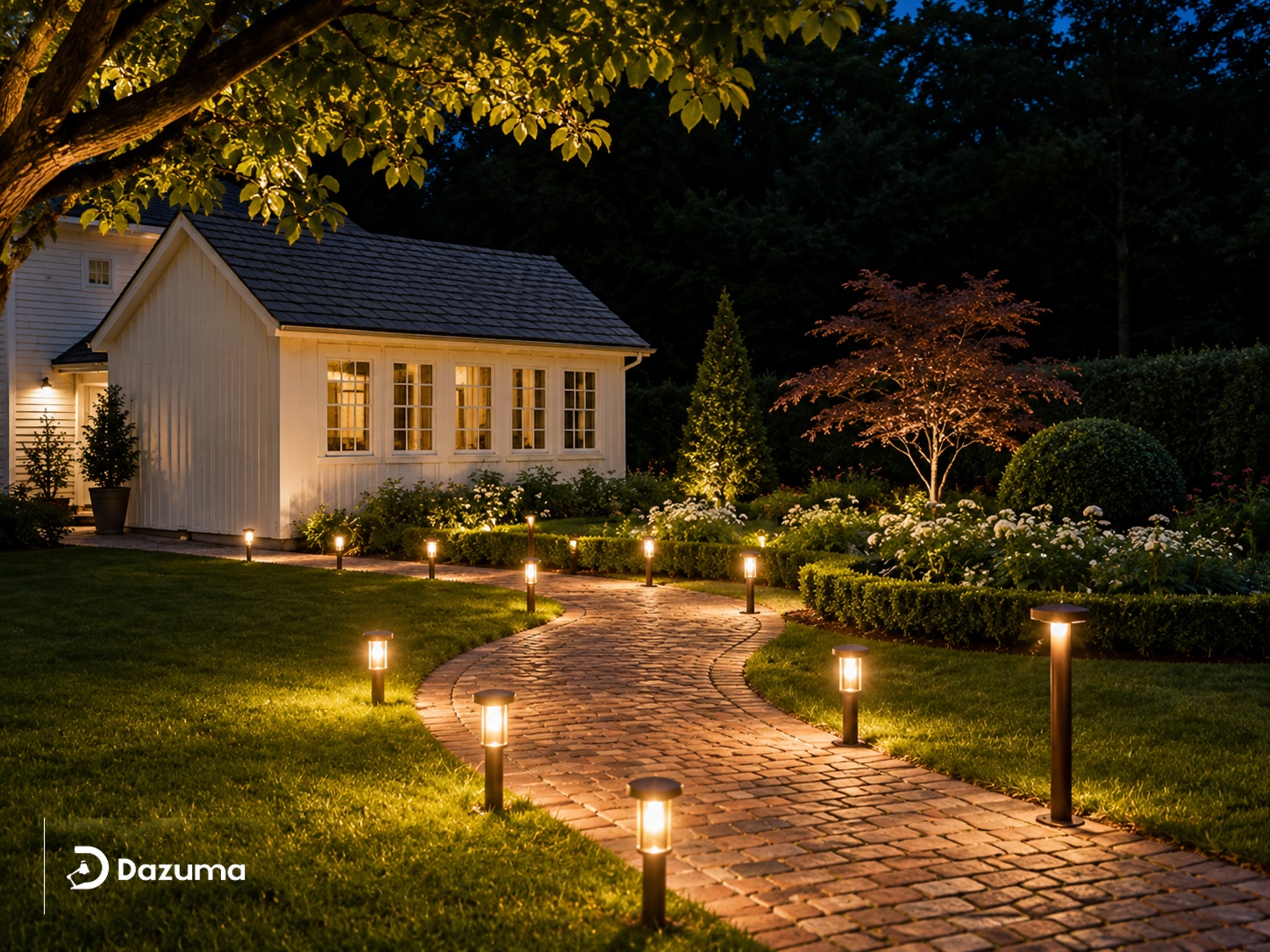
Solar lighting can make front gardens, paths, and entrances feel safer and more welcoming after sunset.
Start With the Front Entrance
The front entrance is the first place people notice, so it should feel clear, warm, and easy to approach. A dark doorway can make even a well-kept home feel less inviting. Solar wall lights near the front door, porch, or side entrance can add instant kerb appeal without requiring a full electrical project.
For homes where wiring is difficult, rented properties, or older houses with limited outdoor power points, solar outdoor wall lights can be a practical choice. They help brighten doorways, garage walls, side paths, and garden gates while keeping installation simple. Choose designs that match the property style, whether that means clean black fixtures for a modern home or softer lantern shapes for a more traditional exterior.
Guide Guests With Path Lighting
Path lighting is not only about decoration. It helps guests move safely from the pavement or driveway to the front door. It also gives structure to the garden at night, especially when planting beds and borders disappear into darkness.
The trick is to avoid over-lighting. A path does not need to look like a runway. Place lights far enough apart to create gentle pools of light, allowing some shadow between each fixture. This feels more natural and usually looks more expensive than a continuous bright line.
Warm white solar lights tend to work best for residential paths because they create a softer and more comfortable look. Cooler white lights can feel harsh around planting, brick, timber, and stone.
Use Spotlights to Show Off the Best Features
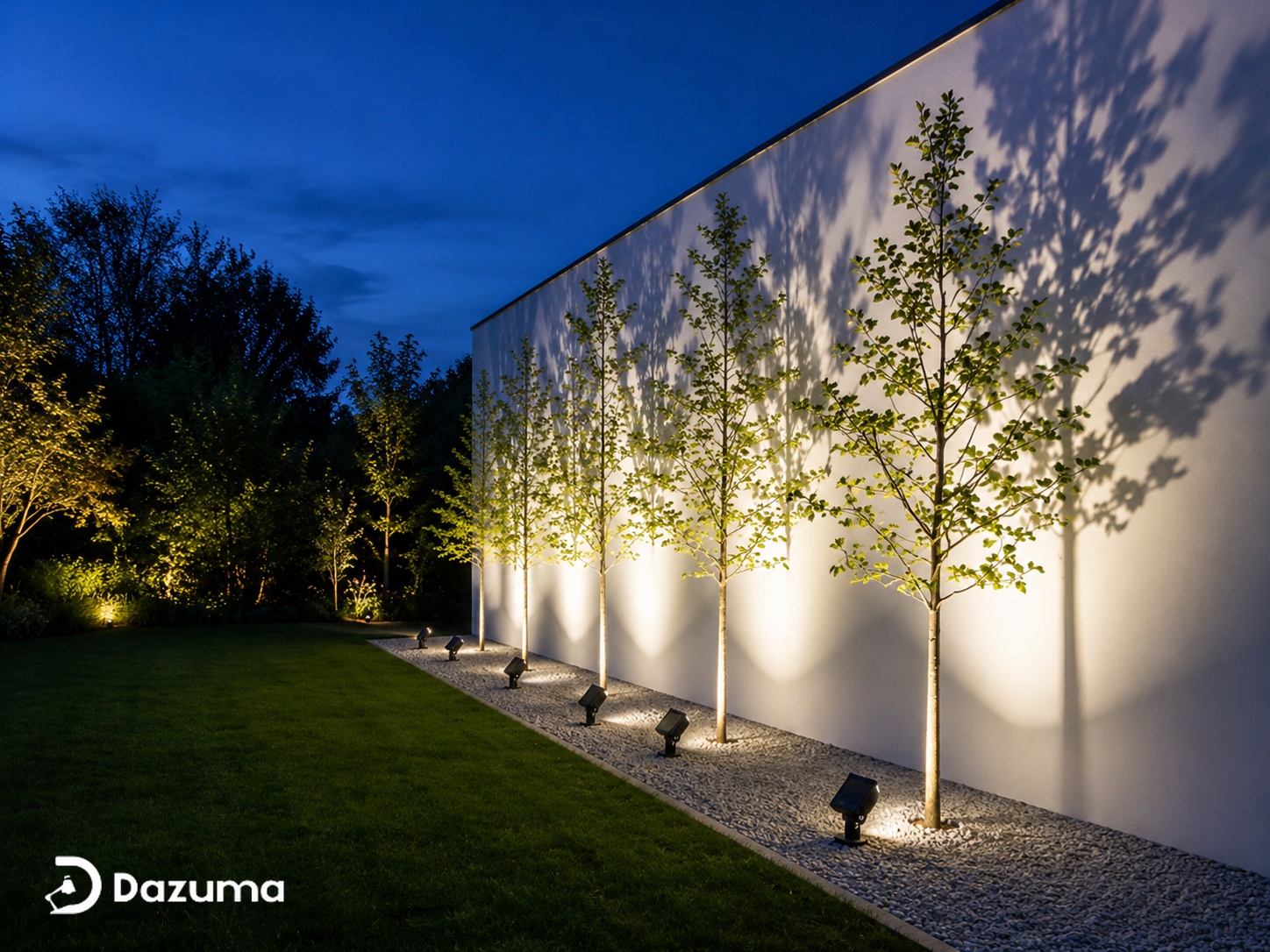
Every garden has one or two areas that deserve attention. It might be a mature tree, a sculptural plant, a textured wall, a water feature, or a beautiful section of fencing. Solar spotlights can help highlight those features after dark, giving the garden more depth and personality.
Instead of pointing lights straight at everything, think carefully about angle and contrast. A light placed at the base of a tree can create a dramatic upward effect. A spotlight aimed across a stone wall can bring out texture. A softer beam near tall grasses can add movement and shadow.
For homeowners who want more control over focal points, solar spotlights are useful because they can often be adjusted and repositioned as the garden changes through the seasons.
Solar spotlights can highlight trees, planting, walls, and garden features without complicated wiring.
Make the Patio Feel Like an Evening Room
A patio or deck should not become unusable once the sun goes down. With the right lighting, it can feel like a comfortable outdoor room for dinner, drinks, or quiet evenings. The goal is not to make the area extremely bright. It is to create enough light for people to move, sit, and relax comfortably.
Try combining several lighting types rather than depending on one strong fixture. Wall lights can frame the house, small solar lanterns can add charm around furniture, and spotlights can highlight nearby planting. This layered approach gives the patio a more designed look.
If the space is used for entertaining, consider where people naturally gather. Lighting around steps, edges, and changes in level is especially important because these are the places where accidents are most likely to happen at night.
Think About Solar Panel Placement
Solar lighting only works well when the panels receive enough daylight. Before installing fixtures, walk around the garden and notice which areas get the most direct sun. A light placed under dense tree cover or beside a high wall may not charge properly, especially in winter.
In the UK, where daylight changes significantly across the year, placement matters even more. South-facing areas usually perform better, while shaded corners may need lights with separate solar panels that can be positioned in a brighter spot.
It is also worth cleaning the panels occasionally. Dust, leaves, bird droppings, and general outdoor dirt can reduce charging efficiency. A quick wipe every so often helps the lights perform more consistently.
Choose Lighting That Matches the Home
Outdoor lighting should feel connected to the style of the property. A modern townhouse may suit slim black wall lights and simple path fixtures. A country cottage may look better with warmer lantern-inspired designs. A new-build garden might benefit from clean, minimal spotlights that blend into the landscaping.
The fixture does not always need to stand out. In many cases, the best outdoor lighting is noticed because of the atmosphere it creates, not because the fitting itself demands attention.
Homeowners exploring different exterior lighting options can compare styles through solar outdoor lighting collections, especially when planning a mix of wall lights, garden spotlights, and decorative accents for different areas of the property.
Avoid the Common Solar Lighting Mistakes
The most common mistake is buying too many small lights and placing them everywhere. This often makes a garden feel cluttered rather than elegant. A better approach is to start with the most important areas: the entrance, main path, patio, and one or two focal points.
Another mistake is using mismatched colour temperatures. If one light is warm white and another is icy blue, the garden can feel untidy. Keeping the tone consistent creates a calmer and more polished effect.
Finally, avoid placing lights where they shine directly into windows or neighbours’ gardens. Good outdoor lighting should improve comfort, not create glare.
Final Thoughts
Solar garden lighting is one of the simplest ways to improve a home’s exterior without major renovation work. It can make paths safer, entrances more welcoming, patios more usable, and planting more dramatic after dark.
The best results come from restraint. Focus on the areas people use most, choose warm and consistent lighting, and let shadows remain part of the design. With a thoughtful plan, solar lighting can make even a modest garden feel more stylish, practical, and enjoyable throughout the evening.