


Making the most of your garden space without compromising on style can feel like a challenge, particularly in urban areas where outdoor space is limited. Whether you have a compact courtyard, a modest terrace garden, or a small city balcony, every square metre counts.
The key is to design thoughtfully so your garden feels open, inviting, and practical, rather than crowded.
With the right approach, even the smallest outdoor area can become a stylish retreat. By thinking creatively about how each element works together, you can create a garden that is both beautiful and highly functional.
Use Vertical Space to Expand Your Garden
When floor space is limited, the most effective strategy is to build upwards. Vertical gardening allows you to introduce greenery without sacrificing valuable ground area, making it ideal for balconies, courtyards, and narrow urban gardens.
Wall planters, trellises, and hanging containers can turn plain walls or fences into living displays filled with colour and texture.
Similarly, climbing plants such as jasmine, clematis, and climbing roses work particularly well in British gardens, adding height and fragrance while softening hard surfaces.
Trailing plants like ivy or cascading flowers can also create a layered effect that makes the space feel lush and abundant.
When arranging a vertical garden, try placing plants at varying heights to create depth and movement.
Positioning planters around eye level helps draw attention upward, which visually expands the space. Mixing foliage shapes and colours can also add interest, ensuring your vertical garden feels like a thoughtful design feature rather than simply a space-saving solution.
Choose Multi-Functional Furniture That Works Harder
Furniture can quickly dominate a small garden, which is why choosing pieces that serve more than one purpose makes such a difference. To that end, multi-functional furniture allows you to enjoy comfort and practicality without cluttering your outdoor space.
Storage benches are a popular choice for compact UK gardens because they provide seating while discreetly hiding tools, cushions, or outdoor accessories.
Foldable tables and chairs can be easily tucked away when not in use, freeing up valuable room for plants or entertaining.
Another clever option is furniture that incorporates planting elements, such as tables with built-in planters or benches surrounded by raised beds. These pieces blend greenery and seating seamlessly, helping your garden feel cohesive and thoughtfully designed.
When selecting materials, choose durable options that can withstand the British climate. Treated wood, powder-coated metal, or weather-resistant composites ensure your furniture remains stylish and functional throughout the seasons.
Create Structure with Pathways and Defined Borders
Even a small garden benefits from a clear structure. Well-placed pathways and borders help organise the space and guide the eye through the garden, making it appear larger and more balanced.
A simple gravel path or stepping-stone walkway can divide the garden into zones, such as seating areas, planting beds, or quiet corners for relaxation. These subtle divisions make the garden feel more intentional and spacious rather than cramped.
Lighter materials, such as pale gravel or natural stone, can also help brighten shaded areas commonly found in British gardens.
If you want neat borders, go for timber, brick, or stone. These materials provide perfect edges that keep planting areas tidy while adding a polished, finished appearance.
When designing pathways, aim for a width that allows comfortable movement through the garden. Even a narrow path can create a sense of direction and openness, encouraging you and your guests to explore the entire space.
Select Plants That Add Height, Depth, and Character
Plant selection plays a major role in how spacious your garden feels. Instead of filling the area with dense planting, focus on layering different plant heights and textures to create depth.
Tall plants can draw the eye upward, while lower groundcover plants soften edges and fill gaps without overwhelming the space. A thoughtful combination of vertical accents, compact shrubs, and trailing plants can create a rich and varied landscape even within a small footprint.
Choosing plants that are both attractive and relatively easy to maintain can also make a noticeable difference.
Lavender adds colour and fragrance while attracting pollinators, ornamental grasses introduce movement, and hostas thrive in shaded areas with their bold foliage.
Bamboo can provide a natural screen in urban gardens, helping create privacy without building bulky structures. With careful selection, plants become a design tool that shapes the space rather than simply filling it.
Use Mirrors and Reflective Surfaces to Create Depth
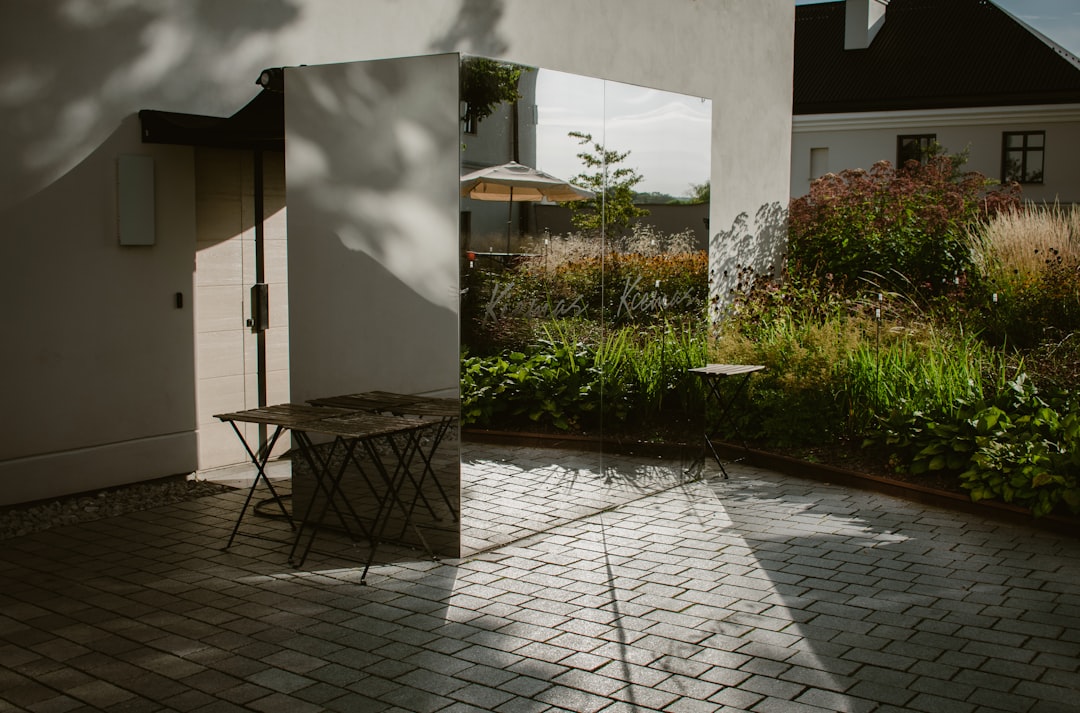
Mirrors are one of the simplest tricks designers use to make a garden appear larger. By reflecting greenery, light, and surrounding features, they create the illusion of additional space beyond the garden’s boundaries.
Positioning a mirror on a fence or wall can instantly add depth, especially in enclosed gardens or courtyard settings. When placed carefully, a mirror can reflect plants or seating areas, doubling the visual impact of your design.
Reflective materials such as polished metal planters, glazed ceramic pots, or light-coloured paving can also bounce light around the garden. This is particularly helpful in shaded areas where natural light may be limited.
For the most natural effect, choose mirrors with frames that complement your garden style. Weather-resistant frames in wood or metal can turn the mirror into a decorative feature while maintaining durability in outdoor conditions.
Plan Seasonal Planting to Keep the Garden Dynamic
A garden feels far more spacious and inviting when it evolves throughout the year. Seasonal planting ensures that colour, texture, and interest continue changing as the months pass.
Spring bulbs such as tulips and daffodils can brighten the garden after winter, while summer flowers like marigolds and zinnias add vibrant colour during warmer months.
As autumn arrives, plants such as chrysanthemums or ornamental kale introduce rich tones that reflect the season.
Even in winter, evergreen shrubs, ornamental grasses, and hellebores can maintain structure and greenery. This year-round variety prevents your garden from feeling static while ensuring there is always something interesting to enjoy outside.
Seasonal planting also encourages birds, bees, and other beneficial wildlife, adding movement and life to even the smallest outdoor space.
If you are unsure how to organise a compact garden or want help bringing these ideas to life, it may be worth speaking with experienced gardeners in london.
Professional gardeners can assess your outdoor space and suggest practical layouts, planting schemes, and maintenance solutions tailored to your garden.
Many services offer everything from design advice and landscaping to ongoing maintenance, helping homeowners transform even small gardens into stylish and functional spaces.
Conclusion
Small gardens often feel like a compromise: you can have greenery or usable space, lush style or practical function, but rarely both at once.
Maximising available space doesn’t mean cramming in more plants or furniture at the expense of beauty. It just means working smarter with techniques that create the illusion of depth and abundance.
What started as a limitation can be turned to an advantage. So take these ideas, adapt them to your own corner of the world. Your dream garden isn’t waiting for more room. t’s ready to bloom right where it is.