


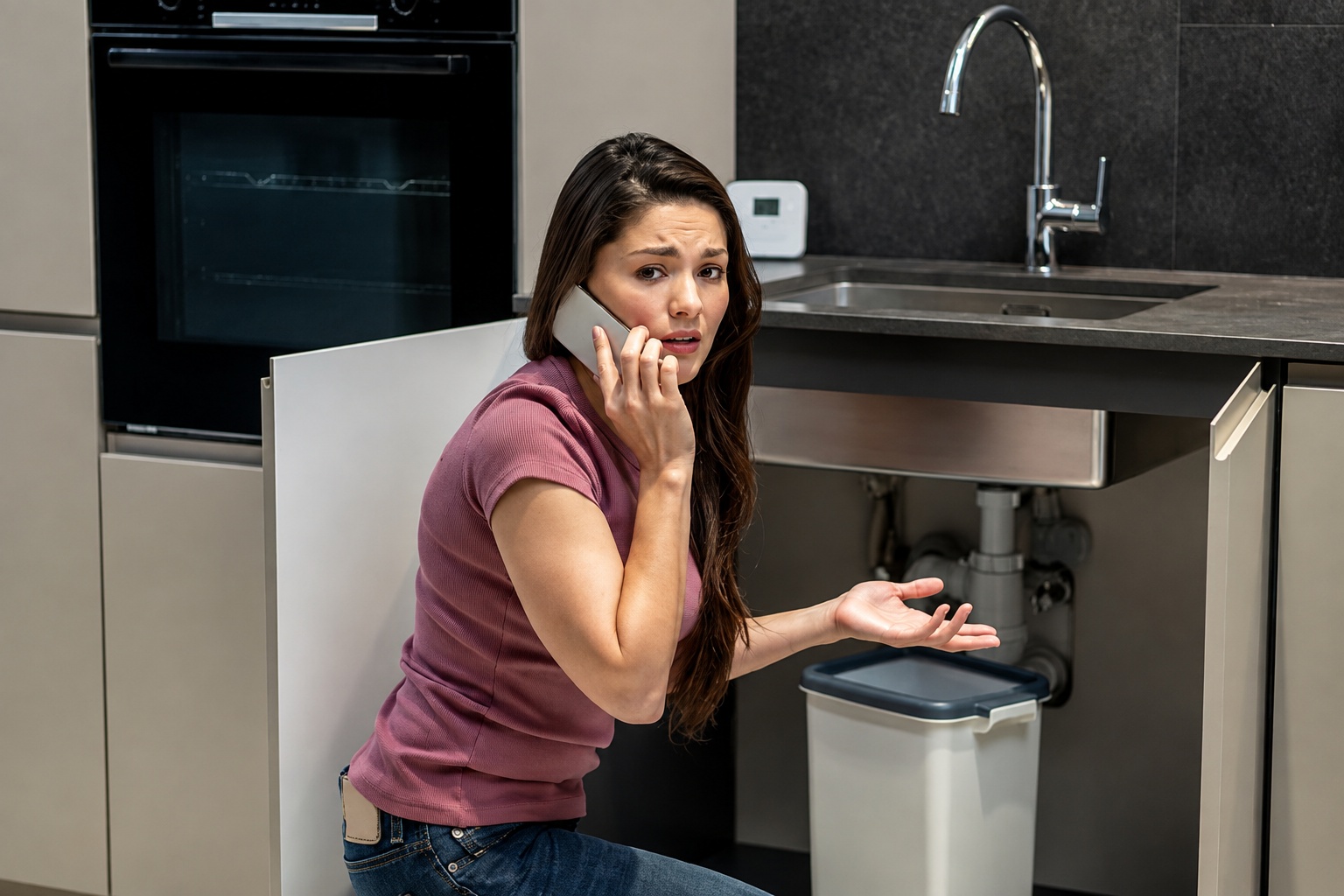
When a plumbing problem strikes without warning, knowing whether to call an emergency plumber or wait for a routine appointment can save you time, money, and serious damage to your property. A burst pipe, overflowing toilet, or sudden loss of heating can quickly turn a minor issue into a costly repair if it isn’t dealt with promptly.
But not every plumbing problem requires immediate attention. This quick guide explains what qualifies as a plumbing emergency, which issues can safely wait, and the steps homeowners should take to minimise damage while waiting for professional help.
What Is Considered a Plumbing Emergency?
A plumbing emergency is any plumbing fault that poses an immediate risk to your home, health or safety if not addressed immediately. That risk usually falls into one of three categories:
- Property damage: Water is actively leaking and could flood a room, damage flooring or weaken a roof.
- Health and safety: This problem includes raw sewage, a suspected gas leak or contaminated water.
- Missing essential service: You have no water, no heating, or a working toilet, and you cannot safely restore it yourself.
If any of these boxes are faulty, it is classed as a plumbing emergency and requires a plumber to be called out the same day. If none of these apply, it is usually a repair that can be booked during normal business hours.
Key Signs You’re Dealing With a Genuine Emergency
Before deciding to call an emergency plumber, ask yourself:
- Is the water currently actively leaking, spraying, or accumulating?
- Will leaving it overnight cause significantly more damage by morning?
- Is there a smell of gas, or is the drain backing up in the house?
- Is your entire home lacking running water, heat, or hot water?
- Will delaying the repair put anyone living in the property at risk?
A “yes” to any of these is a strong indication that you are dealing with a real plumbing emergency rather than a routine repair.
Common Plumbing Emergencies Homeowners Face
Burst or Badly Leaking Pipe
A burst pipe is a classic example of a plumbing emergency as it can release large amounts of water in a short space of time, soaking floors, walls and ceilings before you know it. In UK homes, this is particularly common during cold spells, when water trapped in pipework freezes, expands and splits the pipe. As the ice melts, leaks start to appear.
No Water, No Heat
Losing your hot water or central heating isn’t just inconvenient – during the winter, it can really put vulnerable household members at risk, and pipework left without heat is more likely to freeze and burst. A boiler that doesn’t turn on for weeks, especially in cold conditions, is usually considered an emergency rather than one that has been left running for weeks.
Sewer Backup or Overflowing Toilet
Water or waste backing up into your toilet, shower or drain is not only unsightly, but also a serious health risk. It usually indicates a further blockage in the drainage system and should be treated immediately to protect your family’s health and prevent contaminated water from spreading further into the property.
Suspected Gas Leak
If you smell gas, hear a popping sound near a gas appliance, or notice signs of a fault with your boiler that may require Boiler Repair, along with the smell of gas, it is considered more of an emergency than almost anything else. In addition to turning off the gas supply at the meter, opening windows, avoiding using electrical switches or open flames, leaving the property, and arranging for a Gas Safe Registered Engineer for Boiler Repair if required, it is safest to call the National Gas Emergency Service immediately on 0800 111 999.
Water Heater or Boiler Leaks
A leaking water heater or boiler can cause slow, hidden damage to flooring and cabinets, and in some cases, indicate a pressure or safety problem inside the unit. If left unchecked, a small drip can become a much larger repair.
What’s Usually Not a Plumbing Emergency
Not every plumbing problem needs to be called out on the same day. These issues are worth monitoring but rarely require immediate attention:
- A dripping tap that isn’t actively filling anything
- A slow-draining sink that still empties, just slowly
- Slightly low water pressure in a single tap
- A toilet that runs a little after flushing
- A small amount of condensation or a small, contained wet patch that isn’t growing
These are still worth fixing immediately, as small problems can grow larger over time – but they can usually be booked as a standard appointment rather than an emergency callout.
What to Do While You Wait for a Plumber
If you are really facing a plumbing emergency, these steps can limit the damage before help arrives:
- Turn off the water at the stopcock. Most UK homes have a stopcock under the kitchen sink, in a cupboard or near the front door. Turning it clockwise will shut off the water supply to the entire property.
- Turn off the electricity supply to any affected areas if the water is near sockets, switches or appliances.
- Turn off the water with a towel, bucket or mop and move furniture and belongings out of the way.
- If you suspect a gas leak, turn off the gas supply and leave the property immediately.
- Once you have the damage, take photos of it for your home insurance claim.
- Call the plumber and describe exactly what is happening – this helps the engineer to get ready to work.
Why Acting Quickly Matters
Delaying a real plumbing emergency rarely makes it cheaper to fix. A small leak behind a wall can rot wood, damage plaster, and lead to mold growth in a matter of days. A boiler left to leak can damage its own internal components, turning a repair into a complete replacement. Acting quickly and knowing what counts as a plumbing emergency in the first place is one of the easiest ways homeowners can protect both their property and their budget.
How Assett Plumbing Can Help
Asset Plumbing has been keeping homes and businesses running in Northamptonshire for over 30 years, offering emergency plumbing cover for burst pipes, no hot water, leaking boilers, blocked toilets, and no heating, etc. The team aims to be with you within the hour, works with no callout fees, and returns all work completed with a 12-month guarantee.
Cover extends to Northamptonshire, Kettering, Corby, Wellingborough and surrounding areas of Northamptonshire. Asset Plumbing is approved under the Northamptonshire County Council “Buy with Confidence” scheme and is a certified Trusted Trader, with all work carried out by fully qualified, CRB-checked engineers.
In addition to emergency callouts, the team also handles boiler repairs and servicing, boiler replacements, central heating systems, power flushing and landlord gas safety certificates – so that once an emergency has been resolved, the same engineers can help prevent it from happening again.
Expert Tips to Prevent Future Plumbing Emergencies
- Know where your stopcocks are before you need them, not during a flood.
- Book an annual boiler service, especially before winter, so any faults can be caught before they break.
- Insulate exposed pipework in lofts, garages and outside walls to reduce the risk of freezing.
- Avoid pouring grease, oil or wet wipes down drains, as these are one of the main causes of blockages and backups.
- Fix small leaks immediately rather than waiting for them to get worse.
Conclusion
Knowing what qualifies as a plumbing emergency takes the stress out of a stressful situation and helps you respond appropriately, whether that means turning off the stopcock and calling for immediate help, or simply booking in for a standard repair. When in doubt, it’s always safest to call a qualified plumber and describe the problem. They can quickly confirm whether it qualifies as a plumbing emergency and how urgently it needs attention.
FAQs
How quickly should a plumbing emergency be dealt with?
Real emergencies, such as burst pipes, sewer backups, or suspected gas leaks, should be resolved the same day, ideally within an hour or two, to limit damage and protect the safety of the home.
Is a leaking boiler considered a plumbing emergency?
Yes. A leaking boiler can indicate an internal fault or pressure problem and can often lead to further damage or heat loss if left untreated, so it is usually considered an emergency.
What should I do first if I think I have a plumbing emergency?
Turn off the water at the stopcock (or the gas supply if you suspect a leak), move away from the affected area if there is any safety risk, and call a qualified plumber immediately.
Is a blocked toilet always considered an emergency?
Not always. If your property has other working toilets and the blockage is not causing an overflow, it can usually wait for a standard visit. If it is the only toilet, or the water is backing up, treat it as an emergency.
Do I need to pay a callout fee for an emergency plumber?
This varies from company to company. For example, Asset Plumbing in Northamptonshire does not charge a callout fee for emergency plumbing visits.

