


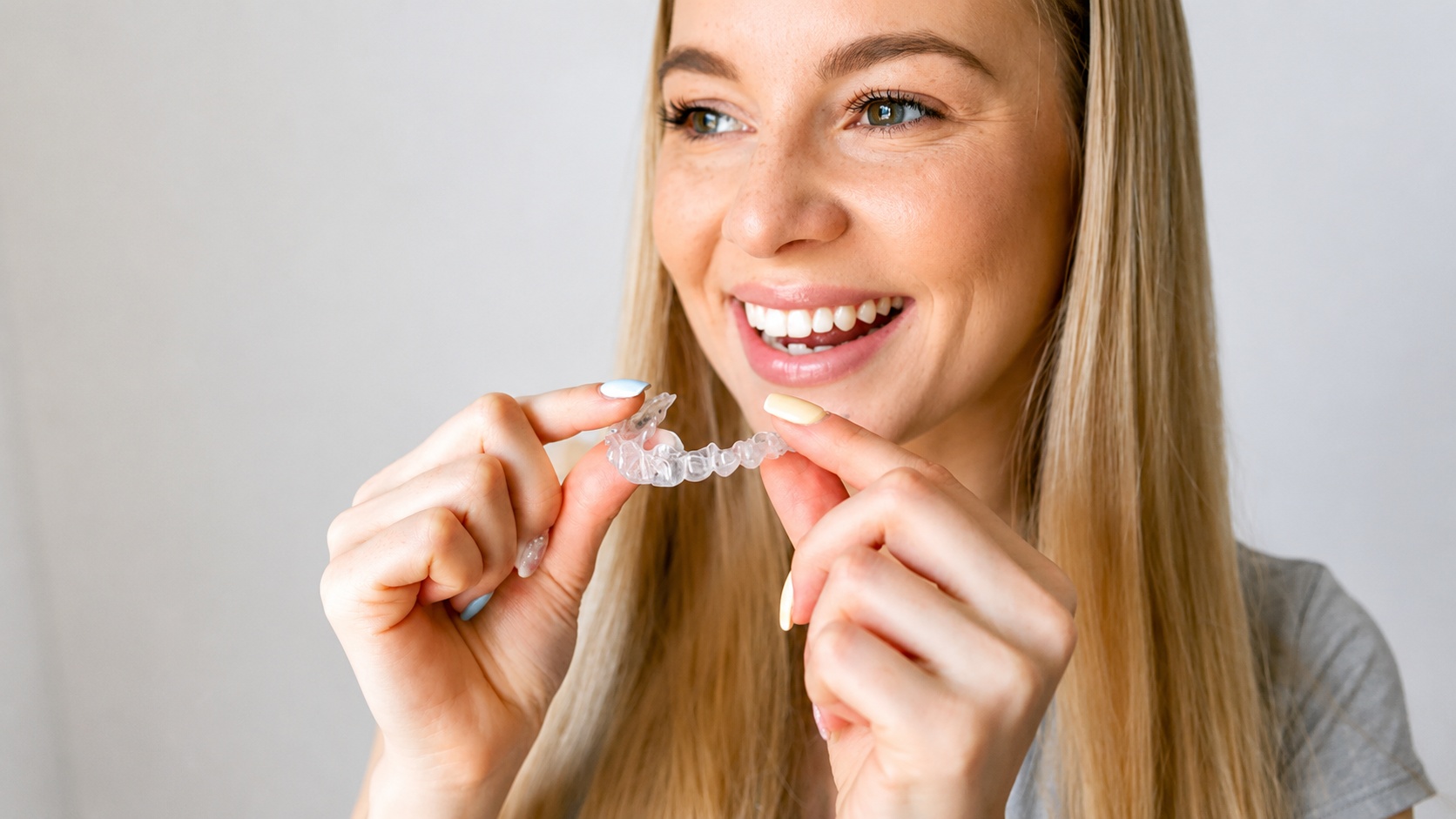
Orthodontic treatment is often associated with creating straighter teeth, but its impact extends well beyond appearance. Properly aligned teeth can improve the way you eat, speak and care for your oral health while also reducing the risk of future dental problems. As understanding of orthodontics continues to grow, more people are recognising that treatment is an investment in long-term wellbeing rather than simply achieving a more attractive smile.
Whether you’re considering braces for yourself or a family member, consulting an experienced Orthodontist Chester can help you understand how correcting alignment issues benefits both function and overall oral health. The results often influence everyday comfort and confidence just as much as appearance.
A Smile That Functions as Well as It Looks
A healthy smile is about more than straight teeth. Every tooth plays a role in helping your mouth function efficiently, and when teeth are correctly aligned they work together as intended. Orthodontic treatment improves the way your upper and lower teeth meet, creating a balanced bite that supports comfortable chewing and speaking.
A properly aligned bite also distributes pressure evenly across the teeth. Without this balance, some teeth may absorb more force than others during eating, gradually leading to excessive wear, small fractures or unnecessary strain on supporting structures. Improving alignment helps preserve natural teeth while supporting better long-term oral function.
Small Alignment Problems Can Create Bigger Challenges
Many alignment problems begin as minor inconveniences that people simply learn to live with. Over time, however, these small issues can contribute to more significant dental concerns if left untreated. Crowded or overlapping teeth create spaces where plaque and food particles become trapped, making effective brushing and flossing more difficult.
Misaligned teeth may also contribute to:
- Uneven tooth wear.
- Frequent cheek or tongue biting.
- Increased plaque build-up.
- Greater risk of gum inflammation.
- Difficulty cleaning certain areas effectively.
Correcting these issues early allows patients to maintain healthier teeth while reducing the likelihood of more extensive treatment in the future.
What Changes Can You Expect in Everyday Life?
Many patients notice improvements in everyday life that have little to do with the appearance of their smile. Speaking becomes clearer when teeth are positioned correctly, while eating often feels more comfortable because the bite functions more efficiently. Even simple daily routines such as brushing and flossing become easier once crowded areas have been corrected.
Better alignment also encourages healthier oral hygiene habits. When every tooth is easier to reach, plaque removal becomes more effective, helping reduce the risk of tooth decay and gum disease. These small improvements may seem insignificant individually, but together they make maintaining long-term oral health considerably easier.
Treatment That Protects Future Oral Health
Orthodontic treatment is often viewed as an investment in appearance, yet one of its greatest advantages is protecting oral health for the future. By improving alignment and correcting bite problems, treatment can reduce the likelihood of avoidable dental complications that may otherwise require restorative procedures later in life.
| Without Orthodontic Treatment | After Orthodontic Treatment |
| Uneven pressure on teeth | Balanced bite and improved function |
| Crowded areas trap plaque | Easier brushing and flossing |
| Greater risk of tooth wear | Better protection for natural teeth |
| Higher chance of gum problems | Healthier gums and improved oral hygiene |
Rather than focusing only on straight teeth, orthodontic treatment helps create a healthier environment that supports your smile for many years to come.
Confidence Built Through Everyday Moments
The benefits of orthodontic treatment often become most noticeable during ordinary daily activities rather than major occasions. Speaking in meetings, smiling in photographs or meeting new people can feel more natural when you are no longer concerned about the appearance or position of your teeth. These gradual improvements often have a positive effect on both personal and professional interactions.
Confidence also comes from knowing your teeth function properly. Patients frequently report feeling more comfortable eating in public, speaking with greater clarity and smiling without hesitation. While the physical changes are important, the ability to go about everyday life with greater self-assurance is often one of the most rewarding outcomes of treatment.
Why Is a Personalised Treatment Plan So Important?
Successful orthodontic treatment is never based on a one-size-fits-all approach. Every patient has different alignment concerns, bite relationships and treatment goals, which is why a detailed assessment is essential before any orthodontic appliance is recommended. Careful planning ensures teeth move safely, efficiently and predictably throughout treatment.
When visiting an experienced orthodontist Chester, patients can expect a personalised treatment plan based on detailed examinations, digital imaging and regular progress reviews. Monitoring tooth movement throughout treatment allows adjustments to be made whenever necessary, helping achieve a stable result while keeping treatment on track.
Which Orthodontic Treatment Option Is Right for You?
Advances in orthodontics have given patients a wider range of treatment options than ever before. While traditional fixed braces remain highly effective for complex alignment problems, many people now have access to more discreet alternatives that better suit their lifestyle and personal preferences.
The most appropriate treatment depends on several factors, including the complexity of tooth movement required, age, oral health and treatment objectives.
| Treatment Option | Suitable For | Key Benefit |
| Metal braces | Complex orthodontic cases | Precise tooth movement |
| Ceramic braces | Patients wanting a less noticeable option | Tooth-coloured brackets |
| Clear aligners | Mild to moderate alignment issues | Removable and discreet |
Rather than selecting a treatment based purely on appearance, a professional assessment helps determine which option will deliver the safest and most predictable outcome.
Long-Term Results Depend on Ongoing Care
Completing orthodontic treatment is a significant milestone, but maintaining the results requires continued commitment. Once teeth have moved into their new positions, they naturally have a tendency to shift over time. Retainers help keep teeth stable while the surrounding bone and tissues adapt to the changes.
Maintaining excellent oral hygiene, attending follow-up appointments and wearing retainers as instructed all play an important role in protecting the outcome of treatment. These simple steps help preserve the improvements achieved during orthodontic care and reduce the likelihood of future tooth movement.
Conclusion
Orthodontic treatment delivers benefits that extend far beyond creating a straighter smile. By improving bite function, making oral hygiene easier, reducing unnecessary strain on teeth and supporting greater confidence in everyday life, it contributes to both immediate comfort and long-term oral health. The positive changes often continue long after treatment has been completed, making orthodontics a valuable investment in your future wellbeing.
If you are considering treatment, consulting an experienced orthodontist in Chester can help you understand which option best suits your needs and long-term goals. At Perfect Smile, personalised orthodontic care is designed to improve not only the appearance of your smile but also the health, function and confidence that come with it.
Author Bio: Sean Collins
Sean Collins, the marketing manager at Perfect Smile Dental in London, is well-known for his exemplary business and marketing abilities. He is a seasoned user experience expert and product thinker who is open to new challenges that offer value to the brand. He often writes to the most popular blogging sites, allowing him to share his decades of knowledge with a broader audience.