



Walk into almost any home that has been lived in for a few years and you will notice a familiar pattern. The spaces feel tight. What starts as a simple desire to make a room feel welcoming often ends up doing the exact opposite. People buy a side table here, a floor lamp there, and maybe a large indoor plant because it looked great in the nursery.
Eventually, the room stops breathing. You end up shuffling sideways just to get to the dining table. Overcrowding a room is incredibly easy to do, but preventing it just requires a bit of restraint and a clear understanding of spatial limits.
Measure First and Trust the Numbers
The most common error occurs even before you make a purchase. People try to eyeball furniture sizes. When you stand in a massive retail showroom with high ceilings and vast open floors, a three-seater sofa looks completely reasonable. Put that same piece into a standard suburban living room and it swallows the entire space.
Always measure the room and note the dimensions on your phone. Better yet, use masking tape to mark out the exact footprint of a potential purchase on your floor. This physical representation shows you immediately if a piece is too greedy. You generally want at least 90 centimetres of clearance for high traffic walkways. If the tape reveals you only have 50 centimetres left to squeeze past, the item is simply too large for the room.
The Blank Canvas Advantage
Starting with a completely empty property presents its own set of challenges. When people move into newly finished properties, particularly custom build homes, there is an overwhelming urge to fill every single corner immediately. The rooms are pristine and empty, which triggers a panic response to buy decor just to make it look finished.
Resist this urge. A home needs time to reveal how you actually use it. You might think you need a reading chair in the corner of the master bedroom, but after living there for a month, you realise you only ever use that space to throw clothes on. Buying decor slowly allows the room to dictate what it actually needs rather than forcing a layout that looks good on paper but fails in practice.
Respecting Negative Space
Empty space is not a mistake that needs fixing. In interior design, we refer to this as negative space, and it is a critical functional element of any room. A wall does not inherently require a piece of art just because it is bare. A corner does not need a potted fig tree just because nothing else is there.
Negative space gives the eye a place to rest. When every surface and wall is covered with items, the brain registers the room as cluttered and chaotic. Leaving gaps between your furniture allows the architectural features of the room to stand out. It makes the space feel intentional rather than like a storage unit.
The Benefit of Coordinated Sourcing
One major cause of overcrowding is piecemeal shopping. Buying one piece at a time over several months often leads to a mismatched sense of scale. You might buy a chunky rustic coffee table and then later pick up some delicate, slimline dining chairs. Because the pieces do not speak the same language in terms of weight and proportion, the room feels visually heavier and more cluttered than it actually is.
This is a common headache, which is why many property owners eventually look at solutions like Furniture packages Sydney to get their core items sorted in one go. Sourcing the heavy lifting items together ensures everything is scaled properly to the room and to each other. Once the major foundation pieces are locked in, adding small decor items becomes much safer because the spatial boundaries are already clearly defined.
Function Dictates the Layout
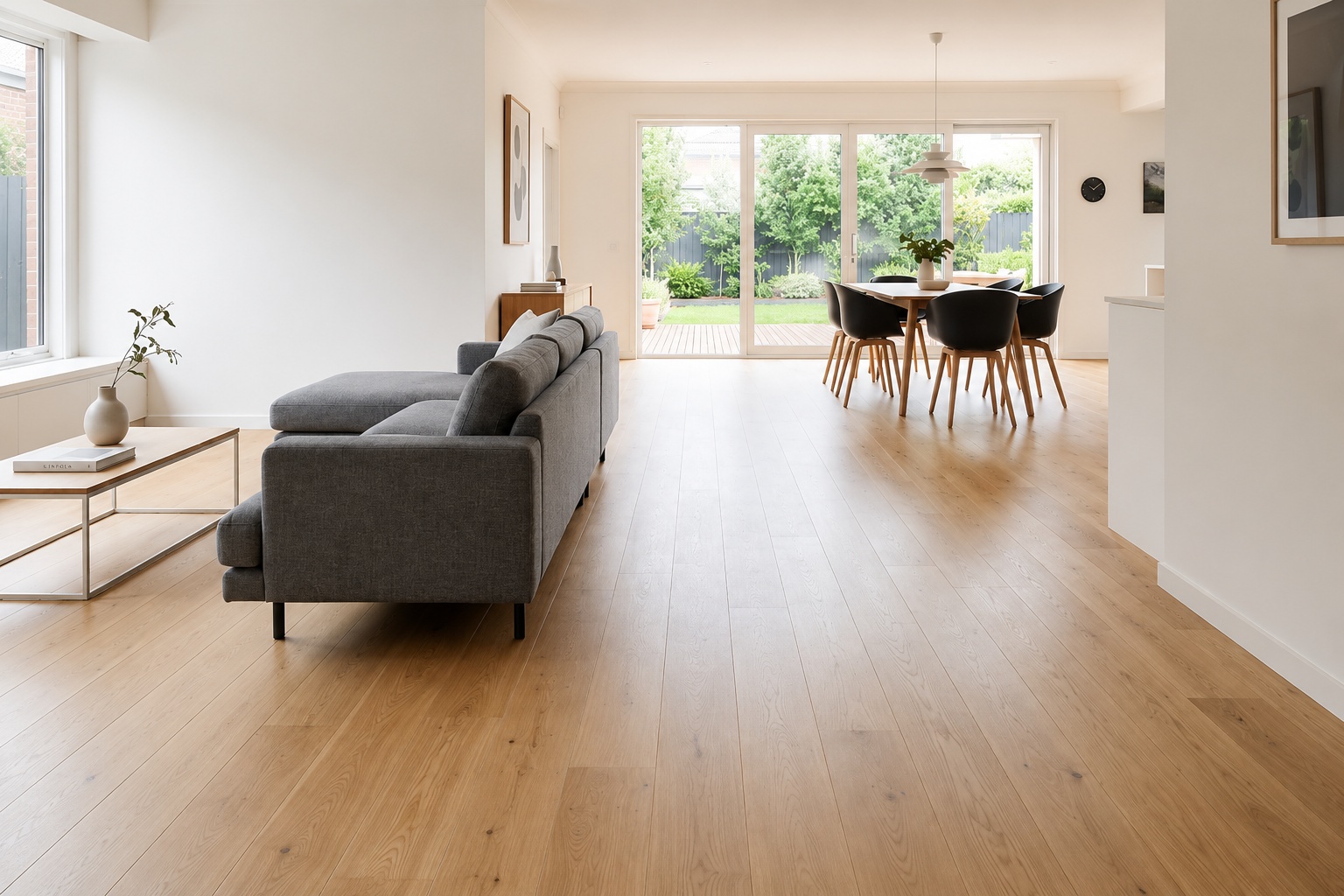
Decor should never interrupt the primary function of a room. A living room is meant for relaxing and conversing. A bedroom is meant for sleeping and dressing. If your decorative choices make those basic tasks difficult, the decor has failed.
Pay attention to how you move through the space. If you find yourself constantly bumping your shin on an oversized ottoman, or having to lean awkwardly over a side table to reach a power outlet, the room has too much in it. Function must always take priority over aesthetics. A beautiful room that is annoying to walk through will quickly become a source of daily frustration.
The Editing Process
Getting the balance right is rarely a one-time job. It requires ongoing editing. A good habit to develop is the strict rule of replacement. If you bring a new decorative item into a room, an old one has to leave. Bring in a new vase, donate an old one. Buy a new armchair, sell the old stool.
This forces you to evaluate whether a new purchase is actually an upgrade or just an addition to the pile. Sometimes you need to step back and look at your own living space with a critical eye. Take a photo of your living room on your phone and look at the image. We tend to become blind to our own clutter when we see it every day. A photograph flattens the room and often highlights immediately where things have become too busy.
Layering with Purpose
Decorating a room is essentially an exercise in layering. You start with the rugs and major furniture, add the secondary pieces like sideboards and lighting, and finish with the small decor like books, ceramics, and cushions. The overcrowding usually happens in this final layer.
Small items carry a lot of visual noise. A coffee table with one large, interesting bowl looks sophisticated. That same table with four books, three candles, a tray, and two small sculptures looks messy. When in doubt, group smaller items together on a tray to create a single visual unit, or simply pack half of them away. You can always rotate your decor every few months to keep the room feeling fresh without overwhelming the space.
Knowing When to Stop
At the end of the day, buying decor should enhance your home, not complicate it. The most comfortable rooms are the ones where you can move freely and breathe easily. Keep your measurements handy, respect the empty spaces, and buy only what genuinely adds value to how you live in the room.