


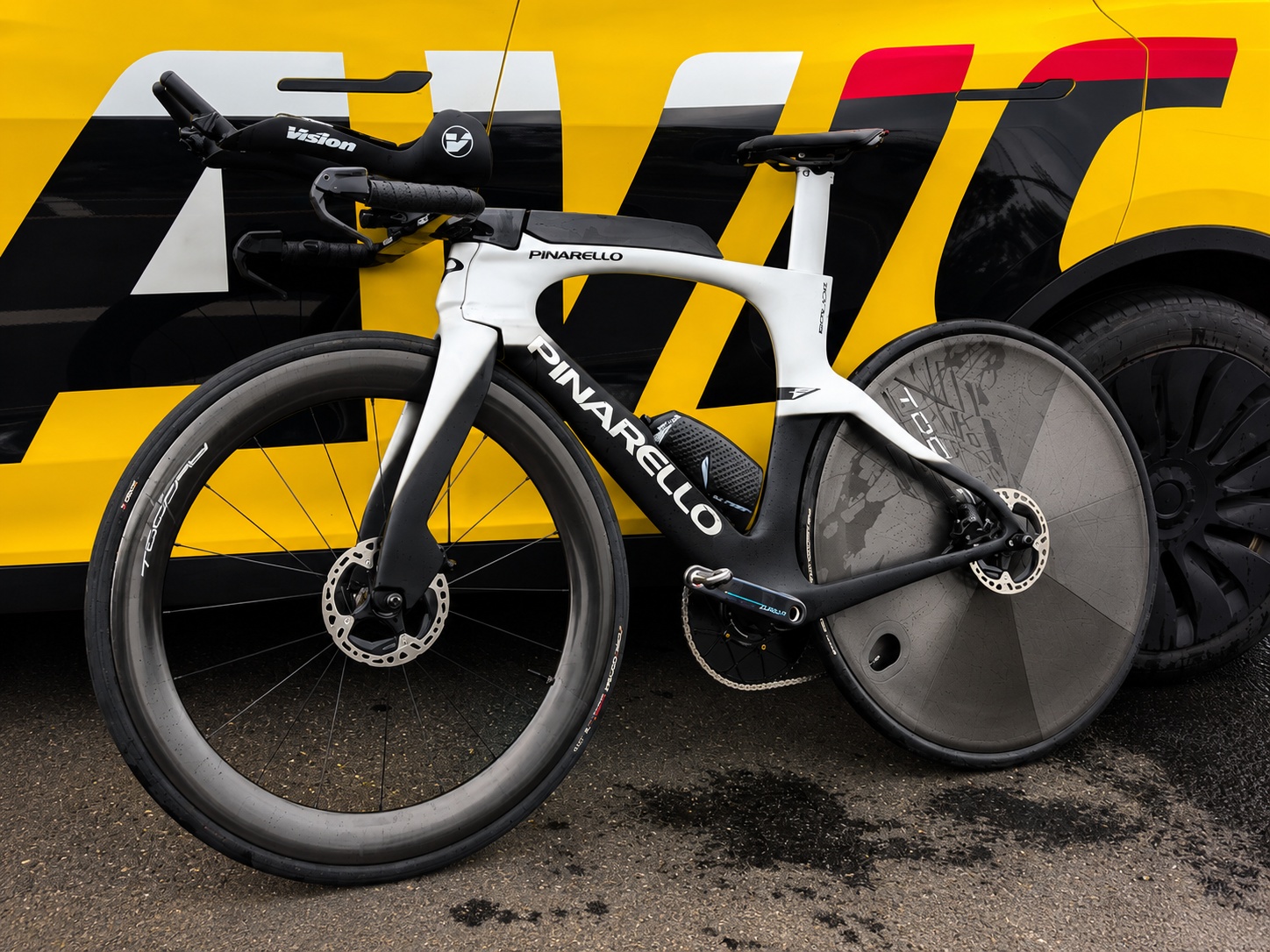
For a long time, the prevailing wisdom in road cycling was straightforward: if you wanted to go fast, your bike needed to be as rigid as possible. Riders pumped thin tires to maximum pressure, enduring bone-rattling vibrations on every rough patch of asphalt under the impression that discomfort was a necessary byproduct of speed.
However, modern bicycle physics has turned this idea on its head. Today, the focus has shifted toward finding a balance between stiffness and compliance. Upgrading your setup with carefully selected premium cycling gear can transform your daily rides, proving that minimizing body fatigue and reducing road buzz actually helps you hold higher speeds over real-world tarmac.
The Evolution of Road Speed: Why “Smooth” is the New “Fast”
When your bike constantly bounces over microscopic imperfections in the road, it loses forward momentum. This vertical movement forces your body to absorb kinetic energy that should instead be driving the bike forward. Over a two- or three-hour ride, the effort required to stabilize yourself against constant road vibration drains your muscles and lowers your overall endurance.
True speed comes from keeping the bike planted. By allowing components to damp harsh high-frequency vibrations, you preserve your energy and lower your somatic exhaustion. Smooth riding ensures that your power output transfers directly into efficient velocity, allowing you to ride further and faster without feeling beaten up by the pavement.
Unlocking Compliance and Efficiency through Tire Pressure Optimization
The easiest way to introduce compliance into a road bike is by looking at the rubber touching the ground. The industry has largely shifted away from narrow 23mm tires in favor of wider 28mm or 30mm configurations. This change is not just about comfort; it is about reducing rolling resistance.
A wider tire has a shorter, wider contact patch compared to a narrow tire. This structural profile allows the tire to flex over surface imperfections rather than bouncing over them. Consequently, you can operate at significantly lower tire pressures—often between 60 to 75 PSI depending on rider weight—without risking pinch flats. The lower operating pressure creates a built-in micro-suspension system, keeping the bike stable on uneven surfaces and ensuring you carry more momentum through rough patches.
The Foundation of Ride Quality: Upgrading to Carbon Road Bike Wheels
While tires provide the initial layer of defense against road vibration, the rim architecture supporting them determines how the bike handles and accelerates. Upgrading from standard metal rims to a high-quality set of fast road bike wheels provides the most significant improvement in overall ride feel.
Aluminum rims are limited by metal extrusion properties, which means they often transfer harsh road feedback directly up the spokes and into the frame. Carbon fiber, conversely, can be engineered to be stiff laterally while remaining compliant vertically. This means the wheel resists bending when you stand up to sprint, yet filters out the exhausting road buzz that tires alone cannot fully eliminate.
How Modern Internal Rims Support Wider Rubber
The shape of the rim dictates how a tire behaves under cornering loads. Older, narrow rims caused wide tires to bulge outward, creating a shape reminiscent of a lightbulb. This profile is problematic because the sidewalls lack proper structural support, leading to a squirmy, imprecise feeling when you lean the bike into a fast turn.
Modern carbon engineering utilizes wider internal rim channels. This wider base squares off the tire’s casing, allowing the sidewalls to stand up straight. The result is a rounder, more aerodynamic tire profile that tracks predictably through corners and handles sudden changes of direction with complete stability.
Verifiable Structural Validation: The TOCCAY Engineering Philosophy
Selecting a high-performance upgrade should be based on clear structural confidence rather than vague promises. This focus on verifiable reliability is central to how TOCCAY develops its equipment lines. When riders upgrade to carbon road bike wheels, they receive a platform designed to withstand real-world riding conditions rather than just pristine laboratory tracks.
TOCCAY builds their road structures around rigid physical stress testing. To ensure their rims handle unexpected potholes or rough bridge transitions safely, the carbon rim walls pass an intensive 180-joule vertical impact energy test without structural failure. Knowing that high spoke tension puts constant stress on the rim bed, they reinforce the spoke-hole zones, validating them to support over 661 kilograms of pull force.
By pairing this reinforced construction with Sapim-Cxray spokes, the wheelset delivers crisp power transfer and stays true over thousands of miles of training. Complete freehub compatibility for Shimano HG and SRAM XDR systems, along with a 36-month limited warranty, ensures that this setup provides a durable foundation that keeps your road bike tracking smoothly at high speeds.
Maximizing Control: The Role of a Disc Brake Road Wheelset
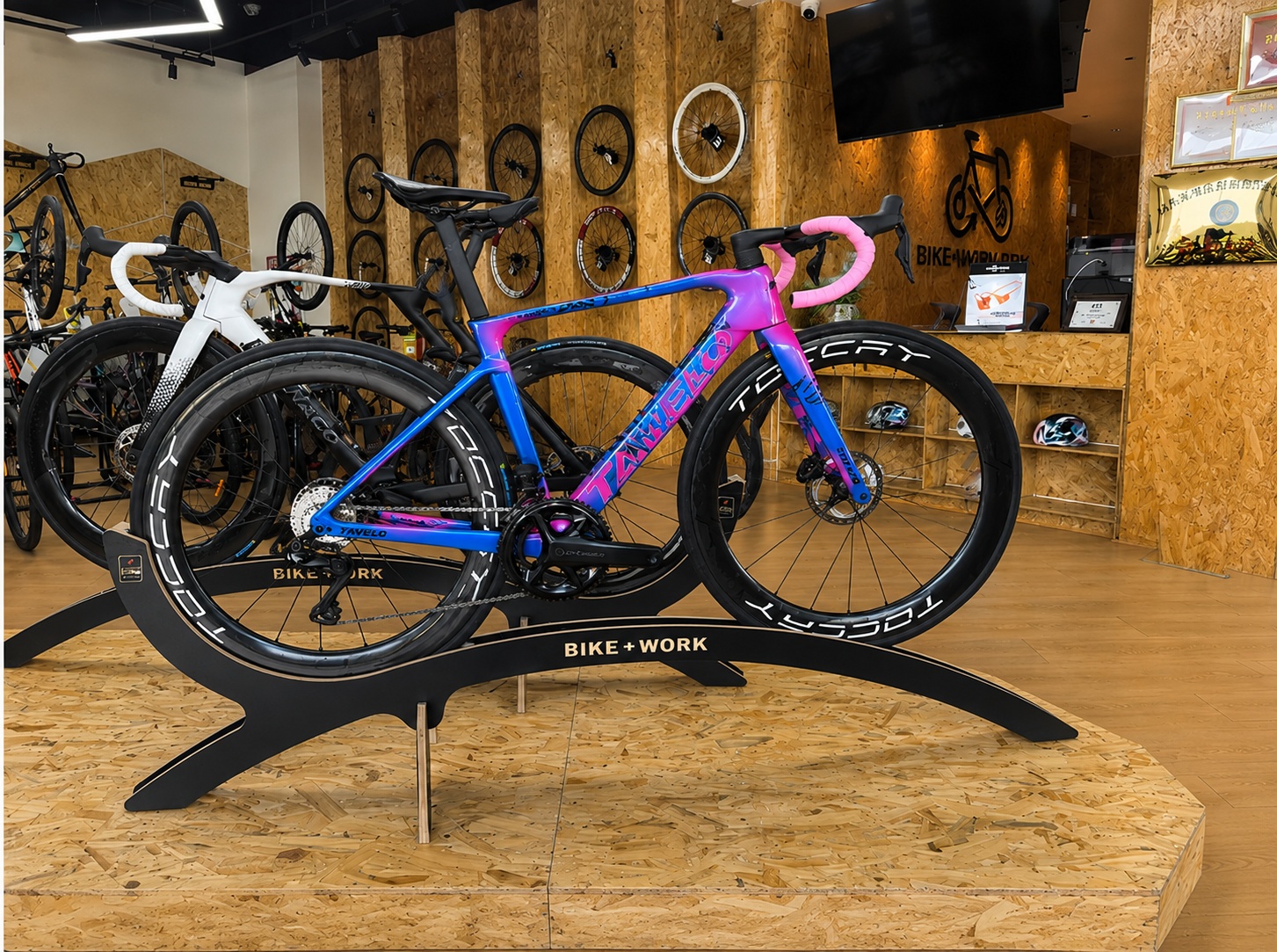
The introduction of disc brakes completely changed how manufacturers design fast bike components. On older bikes with rim brakes, the edge of the wheel had to serve as the braking surface. This meant the rim walls had to be flat and thick enough to handle the immense heat and friction generated by brake pads on long descents.
Upgrading to a modern disc brake road wheelset removes these mechanical design restrictions. Because the braking forces are moved to a separate metal rotor mounted at the center of the wheel, engineers can reshape the outer carbon rim exclusively for aerodynamics and vertical compliance. Without the need for a flat brake track, the transition from the tire to the rim becomes a continuous, smooth curve that significantly reduces wind turbulence. Furthermore, disc brakes provide consistent stopping power in wet weather, allowing you to carry more speed safely into corners because you know you can slow down exactly when needed.
Premium Cycling Gear Upgrades for Essential Rider Contact Points
While upgrading your rolling stock yields the biggest performance gains, optimizing where your body touches the bicycle completes the transformation of your ride quality. Small, targeted additions of premium cycling gear can dramatically reduce physical fatigue over long hours in the saddle.
- Vibration-Absorbing Bar Tape: Wrapping your handlebars with thick, high-density polyurethane or silicone gel tape provides an inexpensive buffer between your wrists and the road. This prevents hand numbness and relieves tension in your neck and shoulders.
- Ergonomic Pressure-Relief Saddles: Modern saddles featuring central cutouts or specialized 3D-printed padding distribute your body weight across your sit bones rather than sensitive soft tissues, ensuring consistent comfort over long distances.
- Streamlined Performance Clothing: Loose jersey fabric flaps in the wind, creating aerodynamic drag that acts like a tiny parachute slowing you down. Form-fitting, technical apparel manages sweat efficiently to keep your body temperature stable while smoothing out airflow over your torso.
Frequently Asked Questions About Smoothing Your Road Ride
Can fast road bike wheels also provide better comfort on rough pavement? Yes. High-quality carbon rims are designed with specific fiber orientations that make them vertically compliant while remaining laterally stiff. This unique material characteristic allows the wheel to absorb harsh high-frequency vibrations from chip-seal roads while transferring all your pedaling power directly into forward momentum.
Does a disc brake wheelset make a bicycle inherently heavier? While disc brake hubs and rotors add a small amount of weight at the center of the wheel, they allow the outer rim to be made significantly lighter because it no longer requires a heavy braking track. In physics, reducing weight at the outer edge of a spinning circle is far more beneficial for quick acceleration than saving weight at the center hub.
Is tubeless integration necessary for a smooth ride? It is highly beneficial. Eliminating the traditional inner tube removes internal friction, making the tire more flexible. This allows you to run lower, more compliant tire pressures safely, drastically reducing road buzz and virtually eliminating the risk of pinch flats.
Conclusion: Investing in the Momentum of Your Ride
Making a road bicycle feel faster and smoother is ultimately about managing kinetic energy. When you reduce the amount of vibration traveling into your body, you save valuable physical energy that can be used to turn the pedals instead.
Prioritizing structural upgrades like refined fast road bike wheels paired with modern tire volumes ensures that your bike holds its momentum beautifully over imperfect roads. By choosing components engineered around structural durability and real-world compliance, you ensure that every mile of your ride feels more responsive, remarkably stable, and significantly less exhausting.