


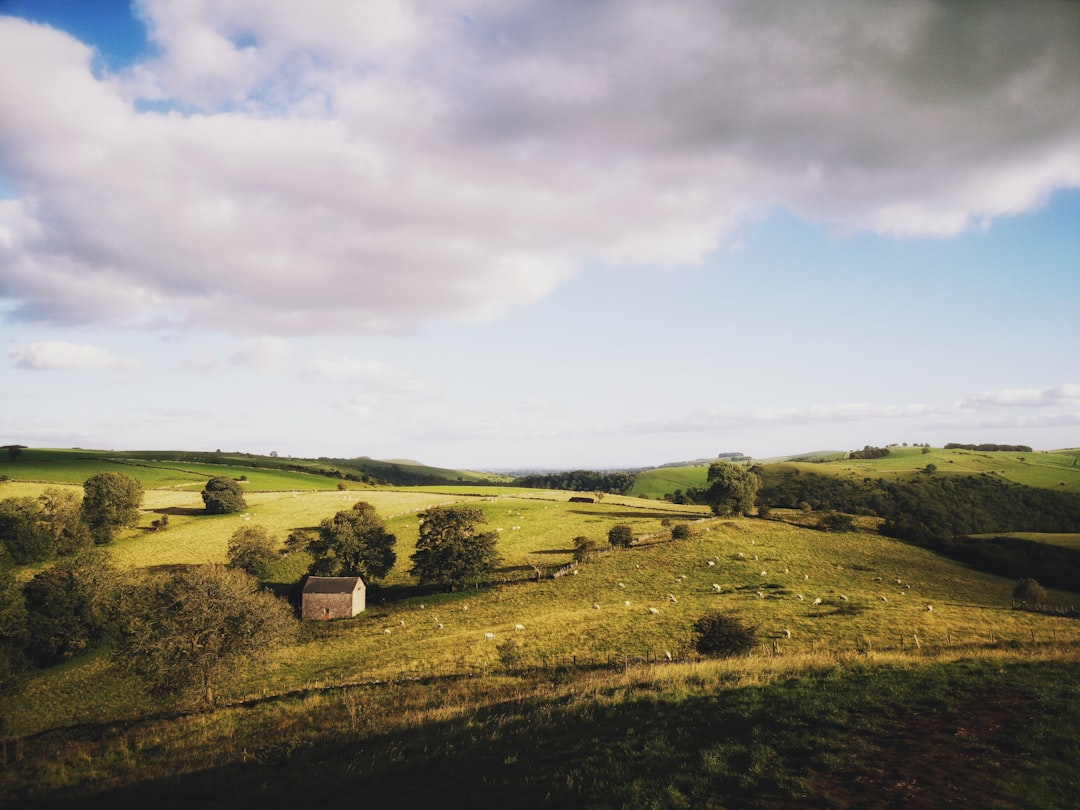
The UK property market has witnessed notable shifts in recent years, with rural areas increasingly capturing the attention of investors. While urban centres have traditionally dominated property investments, rural properties now present unique opportunities for long-term growth, rental yields, and lifestyle appeal. Understanding the dynamics that drive rural property value is key for investors looking to diversify their portfolios.
Why Rural Properties Are Gaining Appeal
Several factors contribute to the rising popularity of rural UK properties among investors. One of the main drivers is the lifestyle change many buyers seek. Remote working, flexible schedules, and the desire for open spaces have all increased the attractiveness of countryside living. Properties that offer privacy, access to natural surroundings, and a sense of community are particularly appealing.
Additionally, rural properties often come with larger plots and more versatile layouts, which offer potential for extensions, renovations, or creating multi-purpose spaces. For investors, this flexibility can translate into increased rental income, higher resale value, and greater overall return on investment.
Trends Influencing Rural Investment Potential
- Shift Towards Remote Work
The widespread adoption of remote and hybrid work models has reduced the necessity for daily commutes. Buyers now prioritise access to outdoor space, tranquility, and lifestyle amenities over proximity to city centres. Rural properties that combine connectivity with comfort are seeing increased demand. - Sustainable Living and Eco-Friendly Features
Energy-efficient homes, sustainable heating systems, and properties that allow for home-grown produce are attracting both tenants and buyers. Rural properties often naturally accommodate these features, whether through gardens, orchards, or space for renewable installations, making them increasingly appealing. - Growing Demand for Second Homes and Holiday Lets
Investors are also capitalising on the short-term rental market. Rural destinations with scenic landscapes or proximity to historic sites can generate strong returns from holiday lets. This trend has been amplified by domestic travel preferences, particularly in the wake of global travel restrictions. - Lifestyle and Community Factors
Access to outdoor activities, local amenities, and smaller community networks adds value to rural homes beyond their physical attributes. Properties in areas with vibrant local economies, schools, and leisure opportunities are especially attractive to both long-term tenants and families looking to relocate.
Key Investment Considerations
When exploring rural property investments, careful consideration of several factors is crucial:
- Local Infrastructure and Accessibility: Even in rural areas, connectivity matters. Access to transport links, broadband, and essential services can influence both rental demand and resale potential.
- Property Condition and Upgrades: Older rural properties may require renovation or modernisation. While upfront costs can be higher, improvements often translate into higher yields and enhanced long-term value.
- Planning and Development Potential: Properties with scope for extensions, outbuildings, or flexible land use provide additional investment upside.
- Market Research: Identifying areas with sustained buyer interest and stable price growth is key. Investors evaluating rural property markets often consider regions showing sustained demand, such as those highlighted in the most popular rural locations for buyers in the UK, which demonstrate strong potential for long-term investment.
Risk Factors and Mitigation
While rural properties offer exciting opportunities, investors should also be aware of potential challenges:
- Slower Liquidity: Rural properties may take longer to sell compared to urban homes. Patience and long-term strategy are essential.
- Maintenance and Upkeep: Larger plots and older properties can require more ongoing maintenance. Budgeting appropriately ensures investment performance is not affected.
- Tenant Demand Variability: Rental demand in rural areas can fluctuate seasonally, particularly in locations heavily reliant on tourism. Understanding local demographics and preferences helps mitigate this risk.
Maximising Returns on Rural Investments
To fully benefit from rural property investment, investors should combine strategic location selection with thoughtful property management:
- Enhance Outdoor Spaces: Well-maintained gardens, patios, or outbuildings can boost property appeal and rental income.
- Diversify Portfolio Options: Including a mix of residential properties, holiday lets, or multi-use rural plots can balance risk and reward.
- Engage Local Expertise: Working with locally informed estate agents familiar with rural markets ensures access to nuanced local knowledge, pricing trends, and development opportunities.
The Future of Rural Property Investment
The outlook for rural property investment in the UK remains positive. Lifestyle shifts, technological advances, and changing work patterns continue to drive demand for properties that offer space, flexibility, and quality of life. Investors who identify the right locations, understand market drivers, and invest in value-enhancing features are likely to see long-term benefits.
By analysing trends, carefully selecting properties, and considering emerging lifestyle factors, rural properties can provide both financial returns and lifestyle advantages that are increasingly rare in urban settings. The UK’s countryside is proving to be more than just a retreat, it’s a viable, dynamic, and profitable arena for property investment.