


Start with the paperwork, not the outrage
When a tenant dispute blows up, most people make the same mistake. They start arguing before they start collecting evidence.
That’s backwards.
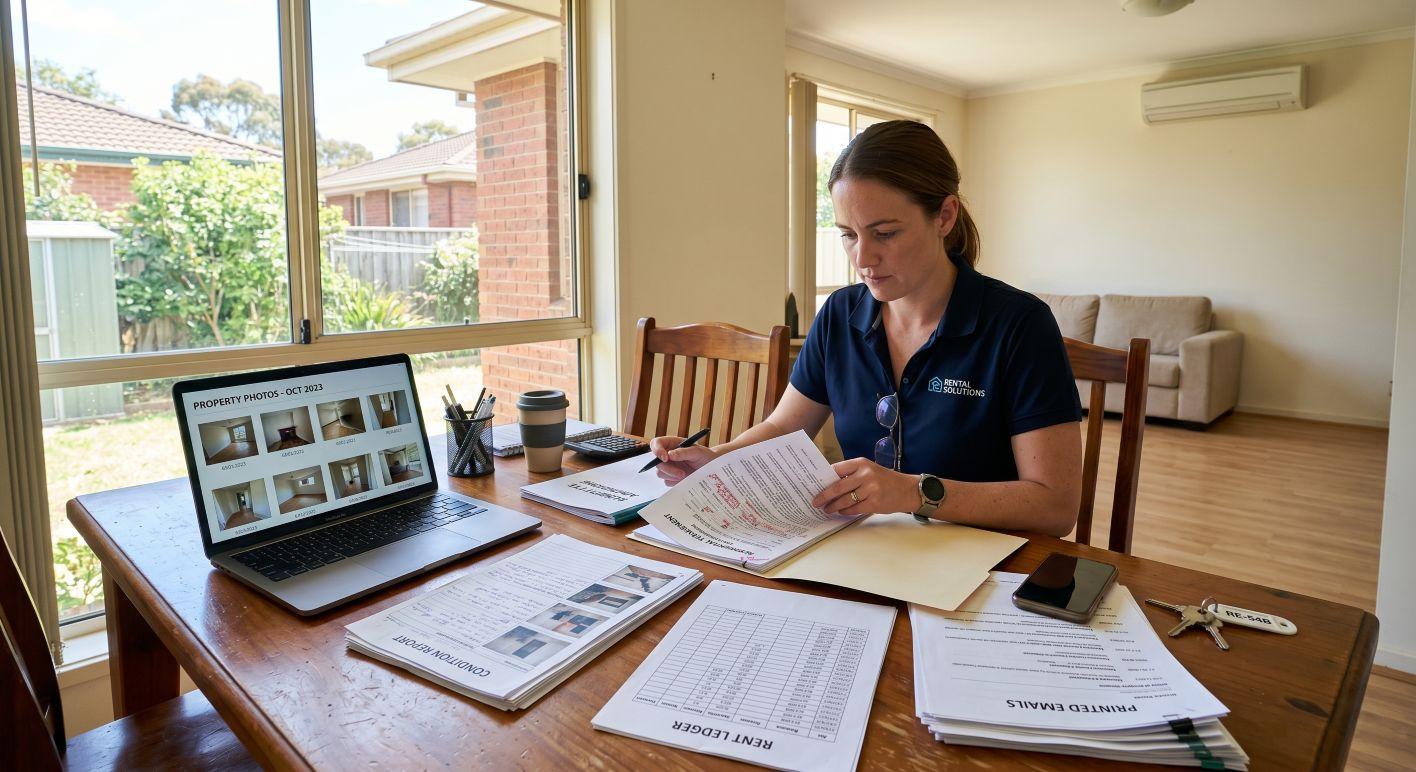
If you’re a landlord, property manager, or even a tenant who’s copped a dodgy claim, your first job is to lock down the facts. Lease agreement. Entry and exit reports. Rent ledger. Photos with dates. Emails. Text messages. Notices served. If it isn’t documented, don’t expect a tribunal member to treat it like gospel just because you feel strongly about it.
I’ve seen owners spend three weeks writing furious emails about damage that could’ve been resolved in ten minutes with a clean entry report and six decent photos. Emotion feels productive. It usually isn’t.
Work out what kind of dispute you’ve actually got
Not every blow-up deserves the same response.
Some disputes are about rent arrears. Some are about damage. Some are about bond claims. Others are about maintenance, break lease costs, unlawful entry, pets, cleaning, or whether someone thinks “fair wear and tear” means “I can leave holes in every wall and call it character”.
You need to identify the category fast, because the pathway changes depending on the issue and the state you’re in. In Queensland, for example, plenty of matters go through the Residential Tenancies Authority first and then into QCAT if they don’t settle. In New South Wales, you’re looking at NCAT. Victoria has VCAT. Same basic story, different logo on the door.
That matters because deadlines, notice periods, and filing steps can trip you up. I’ve watched perfectly winnable matters go sideways because someone served the wrong notice or waited too long. One missed procedural step can cost you more than the original dispute.
Use the formal process earlier than you think
A lot of people cling to “one last phone call” long after the matter has gone stale.
Don’t.
If the other side has stopped acting reasonably, move it into the formal channel before the evidence gets messy and everyone starts rewriting history. Issue the correct breach notice. Apply for conciliation if your state requires it. File with the tribunal when negotiation stops producing anything useful.
The best disputes I’ve handled didn’t settle because everyone suddenly became mature and reflective. They settled because one side realised the other had documents, dates, and a hearing application ready to go.
That shift matters. A serious paper trail changes behaviour.
As a rough rule, once a dispute has burned more than 10 to 14 days without real movement, I stop expecting goodwill to save it. Not always. But often enough that I don’t bet clients’ money on a miracle.
Know when the maths has turned against you
This is where people get stubborn.
You can be right and still make a bad commercial decision.
If the claim is worth $1,200, but you’re about to burn hours chasing it, taking time off work, paying filing costs, and dragging the issue through weeks of stress, ask the ugly question. Is this actually worth it?
Sometimes the answer is yes. Especially if the amount is larger, the principle matters, or the other side has been playing games that need to be shut down. But plenty of disputes should settle earlier, even when one party feels hard done by.
A few years back, I dealt with a damage claim that started at about $4,800. After we stripped out the weak items, ignored the emotional nonsense, and focused on what we could prove, the realistic number sat closer to $2,100. We settled there. The owner wanted to “go for all of it”. If we had, they likely would’ve spent more time and money chasing the extra $2,700 than it was worth.
That’s not surrender. That’s adult maths.
Stop saying “it’s obvious”
Nothing is obvious once a matter reaches a tribunal.
You might think the carpet damage is obvious. The tenant might say it was there already. You might think the unpaid rent is obvious. The tenant might produce messages showing they raised serious repair issues for months. You might think your notice was clear. The tribunal might think it was defective.
This is why blunt advice beats comforting rubbish. Build the case like the decision-maker knows nothing and trusts nobody. Because that’s basically the job.
Use dates. Attach records. Keep your timeline tight. If your argument needs three emotional paragraphs to make sense, it’s probably weak.
And if you’re managing multiple properties, fix your systems now. The number of disputes that come down to sloppy record-keeping would be funny if it didn’t cost so much money.
When insurance enters the picture
Landlord insurance can help, but people often assume it solves more than it does.
It doesn’t.
Policies vary. Excess applies. Some losses get excluded. Some claims fail because the owner or manager didn’t follow the right process, didn’t mitigate the loss, or couldn’t prove the timeline properly. I’ve seen claims knocked back over missing reports and lazy rent records.
If the insurer denies a decent claim, or the dispute starts drifting into coverage arguments instead of tenancy issues, get advice quickly. That’s where insurance lawyers can be worth their fee, particularly if the stakes are high or the policy wording feels like it was designed by a committee determined to avoid a payout.
The trick is timing. Don’t spend $5,000 on legal fees to recover $3,000. But if the claim is substantial, the insurer is avoiding a clear commitment by using vague language, or the denial makes no commercial sense, professional advice can stop a bad outcome from hardening into a final one.
Local pressure changes the tone of the fight
A dispute doesn’t happen in a vacuum. Market conditions change how hard people push.
Take coastal Queensland. In parts of the market, including caloundra rentals, vacancy pressure, seasonal demand, and fast-moving tenant turnover can make disputes more heated than they need to be. Owners panic about downtime. Tenants panic about tight supply. Property managers get caught in the middle trying to stop everyone from setting fire to the relationship.
That pressure creates dumb decisions. Owners rush notices. Tenants dig in. Small maintenance issues turn into breach arguments. Bond disputes become revenge theatre.
If you work in a tight local market, stay even more disciplined than usual. Check the agreement. Follow the notice rules. Keep the communication plain and boring. Boring wins. Drama just creates extra exhibits for the hearing.
When to stop negotiating and set the matter down
At some point, enough is enough.
If the other side ignores formal notices, keeps changing their story, or uses every conversation to waste time, stop feeding it. File the application. Set the matter down. Prepare properly.
That doesn’t mean you stop being reasonable. It means you stop pretending that endless back-and-forth counts as progress.
A strong file usually includes:
- A clean timeline of events.
- The tenancy agreement and any special terms.
- Entry, routine inspection, and exit records.
- Rent ledger or invoices.
- Photos, quotes, and repair evidence.
- Copies of notices and proof of service.
- Emails and texts that support your version of events.
Keep your argument simple. What happened, what rule applies, what loss followed, and what order you want. That’s it.
No speeches. No moral grandstanding. No “with respect” paragraphs that clearly contain very little respect. Just facts, process, and a remedy that makes sense.
That’s how these matters get resolved in the real world. Not beautifully. Just effectively.