


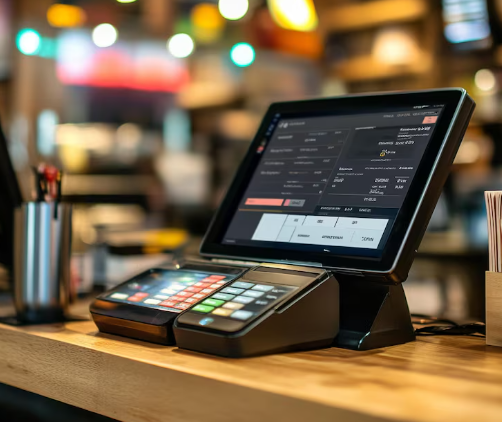
Choosing the right POS platform is one of the most important decisions a restaurant can make today. A POS system is no longer just a tool for billing; it connects your ordering, kitchen workflow, payments, and daily operations into one ecosystem.
As restaurants become more digital-first, owners are now looking for a restaurant pos system that not only handles transactions but also supports long-term growth, faster service, and smoother guest experiences.
If you are currently comparing POS providers or planning an upgrade, here are ten key factors worth considering before making your final choice.
Why This Decision Matters More Than Ever
Restaurant technology has changed significantly in recent years. Guests now expect faster ordering, flexible payments, accurate service, and seamless experiences across dine-in, takeaway, delivery, and drive-thru channels.
At the same time, operators are under pressure to improve efficiency, reduce errors, and manage multiple service streams without adding complexity.
That is why choosing the right POS system is no longer a basic operational decision; it is a strategic one. The platform you select will influence everything from kitchen coordination to customer satisfaction and even your ability to scale in the future.
A modern POS is not just a register. It is the foundation of how your restaurant runs every day.
1. Whether the System Supports Modern Restaurant Operations
Most restaurants today operate across multiple channels—dine-in, takeaway, delivery, and online ordering. A POS platform should be able to manage all of these seamlessly.
The right restaurant pos system should feel like a central hub, not just a checkout counter.
2. Ease of Use During Peak Service Hours
A POS may look great in a demo, but real restaurant environments are fast-paced. Staff need something intuitive that reduces friction during rush hours.
Look for a system that helps teams place orders quickly, manage modifiers easily, and complete payments without delays.
3. How Well It Connects Front and Back of House
Kitchen efficiency depends heavily on order accuracy and speed. Many modern restaurants now rely on tools like a kitchen display system, which replaces paper tickets with real-time digital screens.
This helps kitchens prioritize orders better, reduce confusion, and improve service flow, especially when handling both online and in-store demand at the same time.
4. Drive-Thru Readiness for High-Speed Service Models
For QSRs and fast-casual brands, drive-thru performance can directly impact revenue. Not every POS system is designed to support this environment.
A platform that integrates smoothly with a drive thru system can help restaurants improve order accuracy, reduce wait times, and manage high-volume service more efficiently.
5. Flexibility in Payment and Checkout Experience
Guests expect convenience. A POS system should support multiple payment options, such as:
- Contactless transactions
- Mobile wallets
- Split payments
- Online and in-app payments
A modern checkout experience builds trust and improves customer satisfaction.
6. Real-Time Reporting for Better Business Decisions
At the MOFU stage, restaurant owners want more than sales totals—they want insights.
A good POS system should provide clear reporting on:
- Best-selling menu items
- Peak ordering windows
- Labor efficiency
- Location performance
This data helps operators make smarter operational decisions, not just track revenue.
7. Scalability for Growth and Multi-Location Expansion
Even if you are running a single restaurant today, the POS you choose should support tomorrow’s plans.
Cloud-based systems make it easier to expand because menus, pricing, and reporting can be managed centrally without needing separate setups at every location.
8. Integration with Other Restaurant Technology
Restaurants rarely operate with only one tool. Your POS should connect with the systems you already use, such as:
- Online ordering platforms
- Loyalty programs
- Inventory tools
- Accounting software
The more integrated your ecosystem, the smoother your operations will be.
9. Reliability, Offline Mode, and Business Continuity
POS downtime during service hours can lead to lost revenue and frustrated guests.
A strong restaurant pos system should offer stability, secure payment processing, and offline functionality so that restaurants can continue operating even during connectivity issues.
10. Support, Training, and Long-Term Vendor Fit
Finally, choosing a POS provider is not just a software decision—it’s a partnership.
Consider:
- Quality of onboarding and training
- Availability of customer support
- Hardware reliability
- Future product development
A provider that understands restaurant workflows will add long-term value beyond the system itself.
Conclusion
At the evaluation stage, choosing the right POS system comes down to more than features; it’s about operational fit.
A modern restaurant pos system should support kitchen efficiency through tools like a kitchen display system, adapt to high-speed models with drive-thru system integration, and provide the flexibility restaurants need in a digital-first world.
By focusing on these ten considerations, restaurant owners can confidently choose a platform that supports both today’s service demands and future growth.