


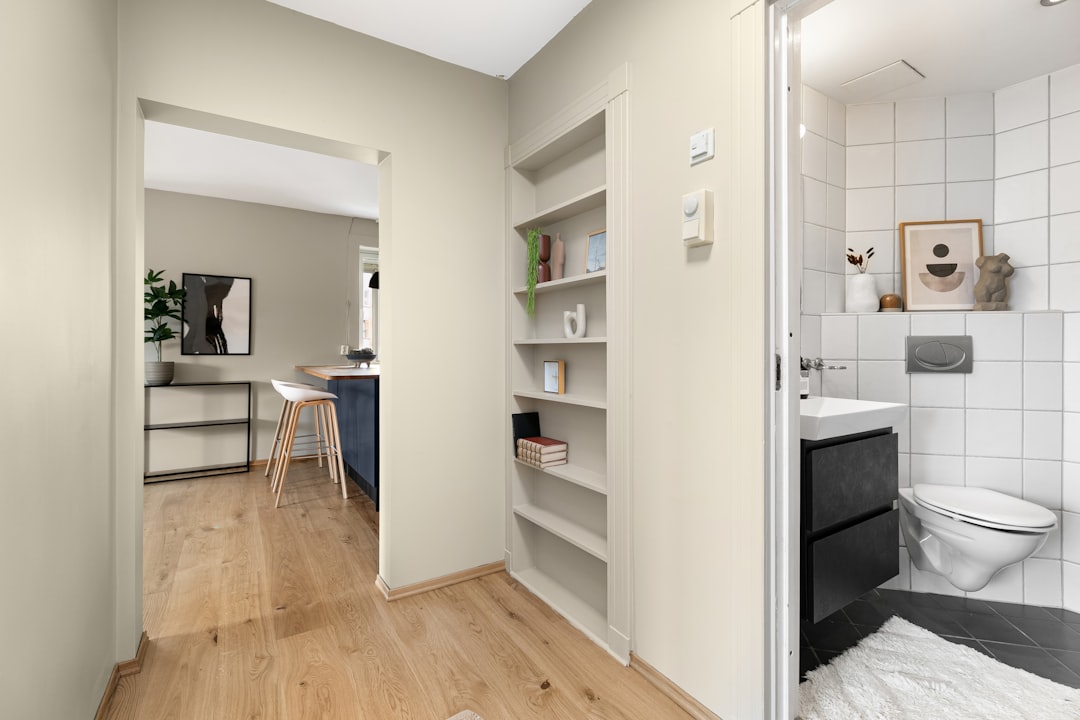
Millions of UK residents live with mobility challenges, yet housing options remain limited. An ageing population and rising awareness of disability needs make accessible design essential. Homes that support independence and comfort improve quality of life and promote inclusion.
Universal design has moved beyond basic wheelchair access. Modern homes must adapt to changing needs across a lifetime. Wider doorways, step-free entrances, and flexible layouts help wheelchair users, families with pushchairs, elderly residents, and people recovering from injuries.
Small details matter. Level thresholds, reinforced walls, and adaptable kitchens reduce barriers and costs over time. Despite regulations, many developments fail to meet accessibility standards. This affects residents’ mobility and their ability to participate fully in communities. Homes connected to accessible transport networks enable true independence.
Why Accessibility Matters in New Home Construction
Mobility difficulties affect millions across the UK. Many homes lack essential accessibility features, forcing residents to compromise comfort or independence. UK Building Regulations Part M sets minimum standards. The Equality Act 2010 protects residents from discrimination. These rules provide a baseline for developers.
Including accessibility from the start is cost-effective. Wider doors, reinforced bathrooms, and step-free entrances are simpler and cheaper during construction. Demand for accessible homes grows as the population ages. By 2050, more than one in five people in the UK will be over 65. Properties near accessible taxi options offer added convenience and independence.
Accessible homes also have broader benefits. They reduce reliance on carers, support ageing in place, and improve social participation. Residents gain confidence moving independently in their communities. Families, visitors, and delivery services benefit from inclusive design, creating a more functional and welcoming environment.
Essential Accessibility Features for New Homes
Step-free entrances must have gradients no steeper than 1:20. External thresholds should not exceed 15mm. Doorways must be at least 900mm wide, and corridors at least 1200mm for wheelchair turning.
Bathrooms should include wet rooms with level-access showers. Reinforced walls support grab rails. Ground-floor bathrooms enhance usability. Kitchens need adjustable-height worktops, accessible storage, and sockets and switches placed between 450mm and 1200mm.
Smart home technology adds convenience. Voice-controlled lighting, security systems, and remote-controlled blinds reduce daily effort for residents with limited mobility.
Going Beyond the Building Regulations
The Lifetime Homes Standard recommends designs that exceed minimum codes. It includes space for through-floor lifts, convertible shower rooms, and flexible bedroom placement. Walls should be hoist-ready for future ceiling lifts. Planning for potential ground-floor bedrooms allows long-term adaptability and reduces costly renovations.
Entry-level bedrooms near main entrances give residents with mobility challenges safe, independent sleeping arrangements. Forward planning ensures homes remain functional as needs evolve.
Creating Accessible External Environments
Accessible homes require suitable surroundings. Parking spaces should be within 50 metres of entrances, at least 3.6m wide with 1.2m transfer zones. Level-access drop-off points assist taxi users and residents with mobility needs.
Pathways should be firm, even, and slip-resistant, with a minimum width of 1500mm. Gradients must not exceed 1:20, with resting places on slopes. Proper lighting improves safety and navigation.
Outdoor spaces must connect to homes with raised planting beds at 450–600mm and slip-resistant patios. Communal areas such as shared gardens, meeting rooms, and play areas should follow universal design principles. Clear signage allows residents to navigate safely and confidently.
Transport Integration for Truly Accessible Communities
Transport accessibility links homes to community participation. Wheelchair accessible taxis provide vital options when public transport is limited or unsuitable. Developments should include taxi access points with covered waiting areas connected to accessible pathways, following community transport strategic direction. Local authorities maintain updated lists of licensed providers to help residents plan safe, reliable journeys.
Cost-Effective Implementation Strategies
Early planning keeps accessibility affordable. Adding features during design avoids expensive retrofitting. Bathroom, kitchen, and pathway layouts should allow future adaptations.
Materials now combine accessibility with aesthetics. Modern level-access showers, wider doors, and adaptable kitchen fittings improve usability and appeal.
Financial support is available through the Social and Affordable Homes Programme. Some local authorities provide planning incentives, including increased density for developers who exceed accessibility standards. Early engagement with planning departments ensures access to these benefits.
Properties with accessibility features sell faster and maintain strong market value. Accessible homes attract more buyers and generate positive feedback from residents. Developers prioritising accessibility strengthen their reputation while meeting growing housing needs.
Long-Term Benefits of Accessible Homes
Homes designed with accessibility in mind create lasting value. Residents enjoy independence and improved quality of life. Communities benefit from higher engagement and inclusivity. Accessible design also supports sustainability by reducing the need for retrofitting.
Integrating accessibility from the start ensures homes serve everyone. It meets regulatory requirements, enhances usability, and links transport options seamlessly. Thoughtful design supports independence, social participation, and market value, while addressing the needs of an aging and diverse population.
Designing accessible homes from the start ensures independence, safety, and long-term value for residents. Early planning and integration of key features reduce future costs and enhance usability. Linking homes to accessible transport and community resources supports social participation and confidence. Prioritising accessibility creates inclusive communities while strengthening property appeal and developer reputation.