


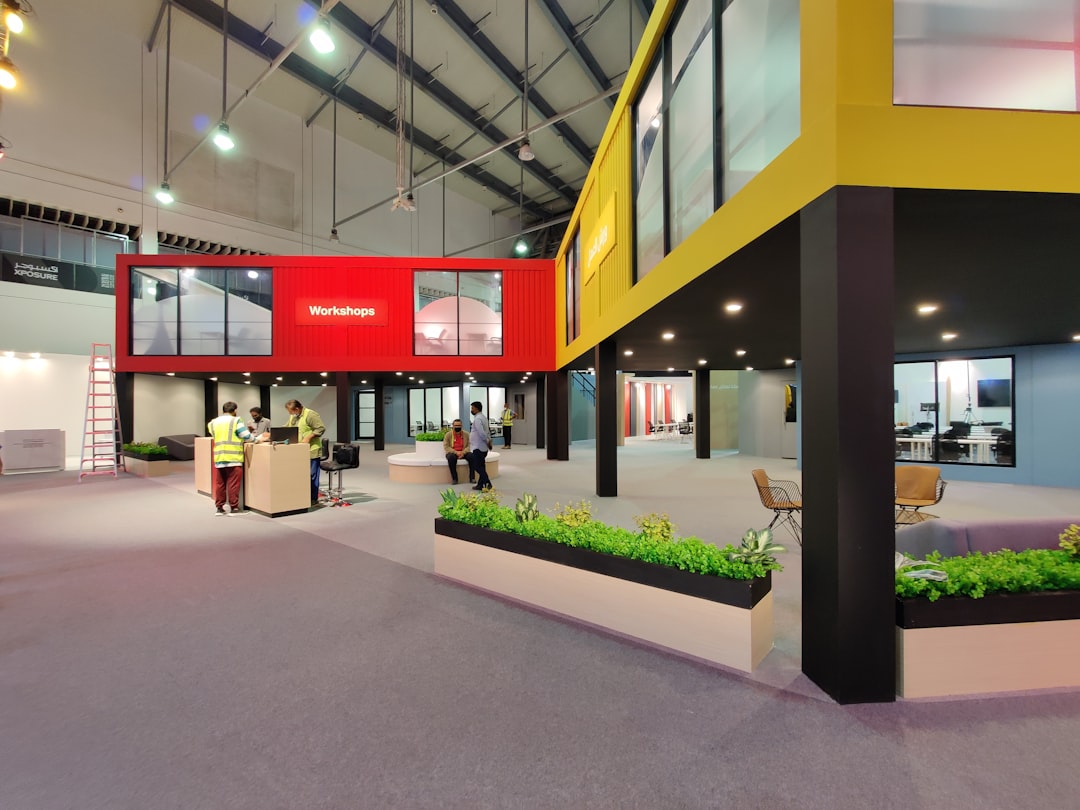
Trade show floors are busy, loud, and fast. Attendees move with clear intent, scanning dozens of booths in minutes. If your space does not communicate value instantly, it gets ignored. Compact expo spaces change this dynamic in a practical way. They push brands to focus on clarity, speed of message, and real visitor contact instead of decoration.
I have seen this shift at multiple industry events. One 10×10 booth with a clear demo zone and strong lighting kept a steady flow of decision-makers. A larger booth nearby, filled with furniture and visuals, stayed half-empty. The difference was not budget. It was structure and message control.
Why Many Brands Choose Compact Expo Spaces
Compact expo spaces are now a practical choice for many B2B exhibitors because they reduce event cost and increase focus. A smaller footprint lowers rental fees, transport needs, and setup time. This allows companies to attend more shows in a year without stretching resources.
More important is focus. A 10×10 booth forces a brand to remove anything that does not support a direct business goal. There is no room for filler displays or unclear messaging. Every element must support one purpose: start a conversation with the right visitor.
Compact booths also improve staff efficiency. Teams stay closer to visitors, which makes conversations faster and more natural. Instead of spreading staff across a large area, every interaction happens within a controlled space. This improves lead capture speed and reduces missed opportunities during peak traffic hours.
Booth Layout Methods That Increase Lead Count
Booth layout has a direct effect on how many visitors stop and engage. In small expo spaces, every inch matters, so structure must guide movement clearly.
An open front design works best in most cases. When the entrance is free of barriers, visitors feel more comfortable stepping inside. Even a small counter placed too close to the aisle can reduce walk-ins. Keeping the front open creates a natural flow into the booth.
Inside the space, clear zones help control interaction. A compact booth can still support three key areas: a short demo spot, a simple meeting point, and a display wall. These zones prevent crowding and allow staff to manage conversations without confusion.
Visual focus is also important. Instead of many messages, one clear idea should lead the design. This is where modular lightboxes play a strong role. They allow brands to show bright, clean graphics with strong contrast, which helps visitors understand the offer within seconds. Their structured frames also keep the booth visually stable, even in crowded halls.
When layout, message, and movement align, even a small booth can produce a steady flow of qualified leads.
Display Tools That Help Small Booths Stand Out
Display tools are important for small expo booths to present themselves in crowded halls. Even the best product can go unnoticed without robust visuals. The purpose of this is not to fill space but to direct attention swiftly and clearly.
Illuminated display systems are one of the best tools that can be used. LED backlit panels raise the visibility in low-light exhibition halls, and are also readable from afar, making brand messaging visible from a distance. This is particularly significant in rows that have several dozen booths stacked shoulder in shoulder.
Modular lightboxes are very popular in this area, since here structure, light and graphics are integrated into one system. They also make it possible to change the graphics quickly between events, which is helpful for companies that are going to several trade shows and want to set up different campaigns or product lines. Saving frames to use again in another update will save both cost and set-up time.
Digital screens also help increase engagement within small booths. Short product video, client results or live demo hold attention longer than static posters. Even small screens can draw people into the booth when located close to the aisle.
The portable counters and display stands provide use without excess. They will provide a place to store brochures, product samples or brief conversations, while still maintaining the appearance of a lack of clutter. This keeps things looking neat and tidy, particularly in small spaces.
QR codes are also a quick and easy technology. They enable the navigation to product pages and give contact information without lengthy forms. This minimizes friction and accelerates the lead capture process in full swing.
Combined, these tools can create a welcoming, easy-to-navigate, and active booth, ultimately helping to improve lead generation at trade shows.
Lead Capture Methods for Compact Booths
Lead capture in compact expo spaces depends on speed, clarity, and low friction. When visitors step into 10×10 booths, they do not want long forms or slow processes. They want quick value and a simple next step. That is why strong lead systems focus on short interaction points instead of complex workflows.
QR codes placed near demo areas remain one of the most reliable tools. They allow visitors to scan and access product pages, case studies, or contact forms in seconds. At several B2B trade shows I attended, booths using QR-based capture saw higher scan rates when codes were placed beside live demos rather than on outer walls.
Short digital forms on tablets also work well. They should ask only key details such as name, company, and email. Anything more reduces completion rates.
Other effective methods include:
- Live product demo sign-ups with instant follow-up emails
- Badge scanning for fast contact capture
- Staff-led qualification during short conversations
- QR-linked calendars for meeting booking after the event
The key rule is simple: reduce steps. In compact booths, every extra action lowers the chance of converting interest into a real sales lead.
Common Problems in Small Expo Booths
Small expo booths often don’t make it because they are not properly planned. Overcrowding is a frequent problem. The greater the number of displays, tables, or signs within the space, the less comfortable the visitor and the less likely he or she is to enter the space.
Another problem is lack of communication. Some exhibitors attempt to feature all their products in one show. This makes for confusion and dilutes the main offer. A small booth can’t have a catalogue of its message.
In many cases, the lighting is forgotten as well. If lighting is inadequate, it can make it harder to see, particularly in busy halls where there may be several booths vying for attention. Even a good product display remains unseen if it isn’t focused.
Lastly, staff deployment can impact results. When they are not present in the right spot, they block visitors from entering or do not interact with visitors at the right time.
How to Measure Booth Lead Results
When space is limited, it’s not enough to count the number of visitors in an expo space to assess its success. The true objective is quality lead and post event conversion.
The first key metric is the number of qualified leads that are captured. These are contacts that have similar characteristics to the customer profile you’re looking for, and not just random visitors. In 10×10 booths, this number is sometimes more significant than traffic.
Secondly, measure engagement duration. Extended conversations are generally a sign of greater interest. When visitors spend more time at the demo stations and/or ask technical questions, the booth is working well.
Third, know the results of follow-up after the event. This encompasses email responses, arranged meetings, and moving prospects in the sales pipeline. In the 20–40% range, many exhibitors discover that a significant number of strong trade show leads transition from the passive to the active stage in the next few weeks, depending on their industry.
Here are some easy tracking tools to help:
- QR scan reports
- Event Lead CRM tagging
- Site of staff notes regarding interest level of visitors.Staff notes made on interest level of visitors.
- Post-event sales tracking
When these signals are put together, brands are able to determine whether their booth design, messaging and way of engaging with the audience produces business results.