


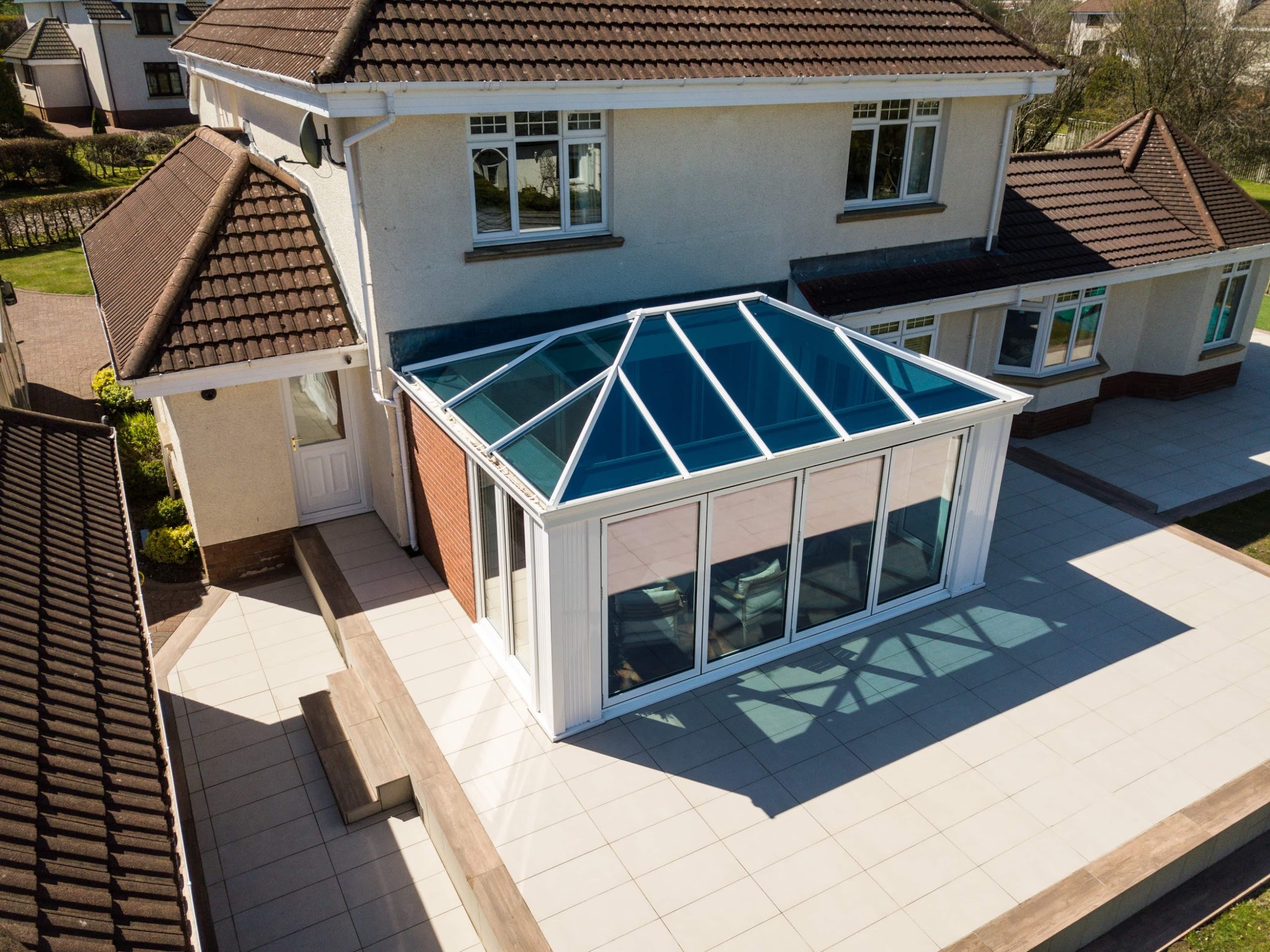
Prefabricated extensions or prefab extensions, as most people call them, are becoming a familiar sight across the UK. Homeowners like the idea of expanding their living space without contractors camping in the garden for months. With prefab methods, most of the work happens off-site, then the pieces slot together at your home like a large, very well-engineered puzzle.
If you’ve ever daydreamed about more space but felt your stomach tighten at the thought of long build times, prefab construction might feel like a breath of fresh air. The idea is simple: build the parts in a factory, ship them over, and assemble them quickly.
This guide explains how it works, the typical cost ranges for prefab extensions, and the available systems.
What Are Prefabricated Extensions?
A prefabricated house extension is built in sections in a factory and then transported to your home for assembly. The controlled environment means measurements are precise, insulation sits neatly in place, and weather delays aren’t constantly lurking in the background.
How Prefabrication Works Behind the Scenes
Everything starts with a digital model. Once the design is agreed upon, machines cut and assemble the components. This often includes insulation, window openings, structural supports, and service voids.
Many homeowners begin comparing different prefab systems at this stage, often evaluating both panel-based options and modular suppliers such as Urban Edge Modular to determine how each approach fits their property and build timeline.
Materials Commonly Used
Prefab extension systems can be built using:
- Structural Insulated Panels (SIPs)
- Timber frames
- Steel frames
Each comes with its own personality. SIPs offer strong insulation. Timber brings a lighter touch and sustainability perks. Steel supports wide openings — handy if you’ve been dreaming of a large glass door that opens out to the garden.
How It Differs From Traditional Builds
Traditional building methods assemble everything on site, from mixing mortar to raising walls layer by layer. Prefab systems shift that work indoors. Once the pieces arrive, the extension usually goes together far faster than a brick-and-block structure.
Many people appreciate the predictability. Fewer delays, fewer muddy footprints, fewer mysterious pauses in progress.
Why So Many Homeowners Are Turning to Prefabricated Extensions
Prefab extensions appeal for practical reasons. Here are some of the main ones.
Speed and Predictability
Prefab systems can come together in a matter of days. It’s common for homeowners to say the installation happened so quickly they barely had time to make a celebratory cup of tea. Removing weather dependencies keeps timelines steady.
Reduced Disruption at Home
Shorter assembly means less mess and noise. If you work from home or have young children, the idea of a quicker, quieter build carries significant weight.
Solid Energy Performance
Prefab panels often include insulation from the outset. This typically yields high thermal performance that meets UK Building Regulations. Better insulation means more comfortable temperatures and, hopefully, lower heating bills.
Lower Waste and More Efficient Use of Materials
Factories cut materials accurately. That alone reduces waste compared with on-site craftsmanship, where offcuts and leftover materials sometimes accumulate.
Types of Prefabricated Extension Systems
Prefab systems come in a few main formats. The right choice depends on design preferences, access to your property, and how much on-site work you’d like to avoid.
Modular Extensions
These arrive as large completed sections. Think of them as flat-pack furniture if flat-pack furniture required a crane. The benefit is speed. Provided the delivery route is clear, installation is quick.
Panelised or SIP-Based Systems
Panelised systems arrive in smaller pieces. This helps with tight access areas or terraced properties. SIPs fall into this category and are popular for their strong insulation performance.
Hybrid Systems
Some projects mix prefabricated elements with traditional finishes. A typical example is pairing a prefab roof with on-site brickwork to match the existing property. This approach helps blend modern performance with a familiar appearance.
Timber and Steel Frame Systems
Both create a structural skeleton for the extension. Timber is lightweight and environmentally friendly. Steel supports large openings and open-plan layouts.
Typical Costs of Prefabricated Extensions in the UK
Prefab extension cost ranges depend on size, design complexity, and materials. While every project differs, some average figures help with early budgeting.
Average Cost Ranges
Many smaller systems or partial upgrades begin at around £6,000.
More complete prefabricated home extensions typically fall within the £10,000 to £15,000+ bracket.
These amounts relate to the main structural components. Groundworks, electrics, and internal finishes may be excluded from that figure, depending on the supplier.
Costs Compared With Traditional Builds
Prefab extensions often keep budgets more stable because factory conditions reduce the risk of unexpected delays. Traditional builds are usually more flexible in design, but timelines can stretch, sometimes taking your budget with them.
How the Installation Process Works
If this is your first time exploring prefabrication, the steps may feel unfamiliar. In practice, the process is straightforward.
Survey and Feasibility Check
A surveyor visits the property, measures up, and checks delivery access. Many homeowners find this visit reassuring, as it clarifies what is possible and helps avoid surprises.
Factory Manufacturing
Once the design is approved, production begins. During this period, groundwork teams often prepare the foundation at your home. This overlapping of tasks is one reason prefab builds move so quickly.
Groundworks and Preparation
Even with prefab methods, strong foundations are needed. Depth and design follow UK building standards. This stage may include drainage work or channel creation for electrical connections.
Assembly on Site
When the extension arrives, installation begins. Panelised systems usually take a few days to erect. Modular sections can be installed quickly, provided access is clear and the weather cooperates.
Final Fixes
Internal work, plastering, electrics, and flooring follow. A building inspector or an approved professional verifies that everything complies with regulations.
Planning Permission and Building Regulations
Prefab extensions must follow the same planning rules as traditional builds.
Planning Requirements
Some projects fall within Permitted Development (PD), meaning formal planning permission might not be required. The UK Planning Portal offers clear guidance on what typically qualifies, including limits around size, position, and how the extension relates to the original house.
Homes in conservation areas, flats, and listed buildings are outside PD rules, so a complete application is usually required.
Why Permitted Development Helps With Prefab Design
Prefab dimensions are exact. This makes it easier to design a system that fits within PD limits when required.
Meeting Building Regulations
All extensions must comply with UK Building Regulations for structure, thermal performance, ventilation, and fire safety. Prefab systems are often engineered with these regulations in mind, particularly for insulation and airtightness.
Prefab vs Traditional Extensions: A Quick Comparison
Prefab extensions usually go up much more quickly and with far less disruption than traditional builds, which often take much longer on-site. They tend to follow more predictable timelines and adhere more closely to their budgets, whereas traditional projects can shift once work starts.
Design flexibility is wider with conventional construction, though prefab systems still offer a strong range of layouts. Thermal performance in prefab builds is often impressive thanks to integrated insulation, whereas traditional construction usually relies heavily on workmanship.
Which Option Fits Your Project?
Prefab suites are suitable for kitchen extensions, small rear additions, conversions of old conservatories, and many single-storey layouts.
Traditional construction may still be the better route if your design includes complex shapes, intricate brick detailing, or heritage-style features.
How Long Does a Prefab Extension Take?
Timelines vary, but many projects move more quickly than people expect.
Design Phase
This usually lasts a few weeks. Drawings, specifications, and measurements are finalised during this period.
Manufacturing
Factories typically produce components in 2 to 6 weeks. Groundworks usually take place during this time.
Assembly
Once delivered, the extension shell often goes up in days. Some homeowners joke that the builders finished before they could finish choosing paint colours.
Overall Timeframe
Two to four months is typical for the complete process, from survey to sign-off.
Where Prefabrication Works Especially Well
Prefab construction tends to shine in certain situations.
Kitchen Extensions
Short build times help homeowners avoid spending too long with a temporary cooking setup.
Side-Return Projects
Slim access paths often suit panelised systems that can be carried piece by piece.
Upgrading an Old Conservatory
Replacing a cold conservatory with insulated prefab panels can turn the space into a proper living area.
Homes With Limited Access
Panelised systems are well-suited to terraced streets where cranes or large vehicles may struggle.
How to Choose a Supplier You Can Rely On
A few simple checks can help you feel confident about your choice.
Technical Information
Look for clear documentation covering U-values, structural performance, and materials used.
Factory Standards
View sample panels or case studies. Photos and examples help build trust in the process.
Helpful Questions to Ask
- What thermal values do your walls and roof achieve?
- What is included in the quoted price?
- What warranties are provided?
- What timeline should I expect?
Is a Prefabricated Extension Right for You?
Prefab extensions offer a quick, tidy, and energy-efficient way to add space to your home. They fit exceptionally well with everyday needs, such as kitchen extensions, home offices, and the upgrading of older conservatories. While not suited to every design, they can be a smart option for those who value clear timelines and strong thermal performance.
If you’re exploring ways to expand your home with less disruption and a more controlled building process, a prefabricated extension is worth considering as part of your planning.