


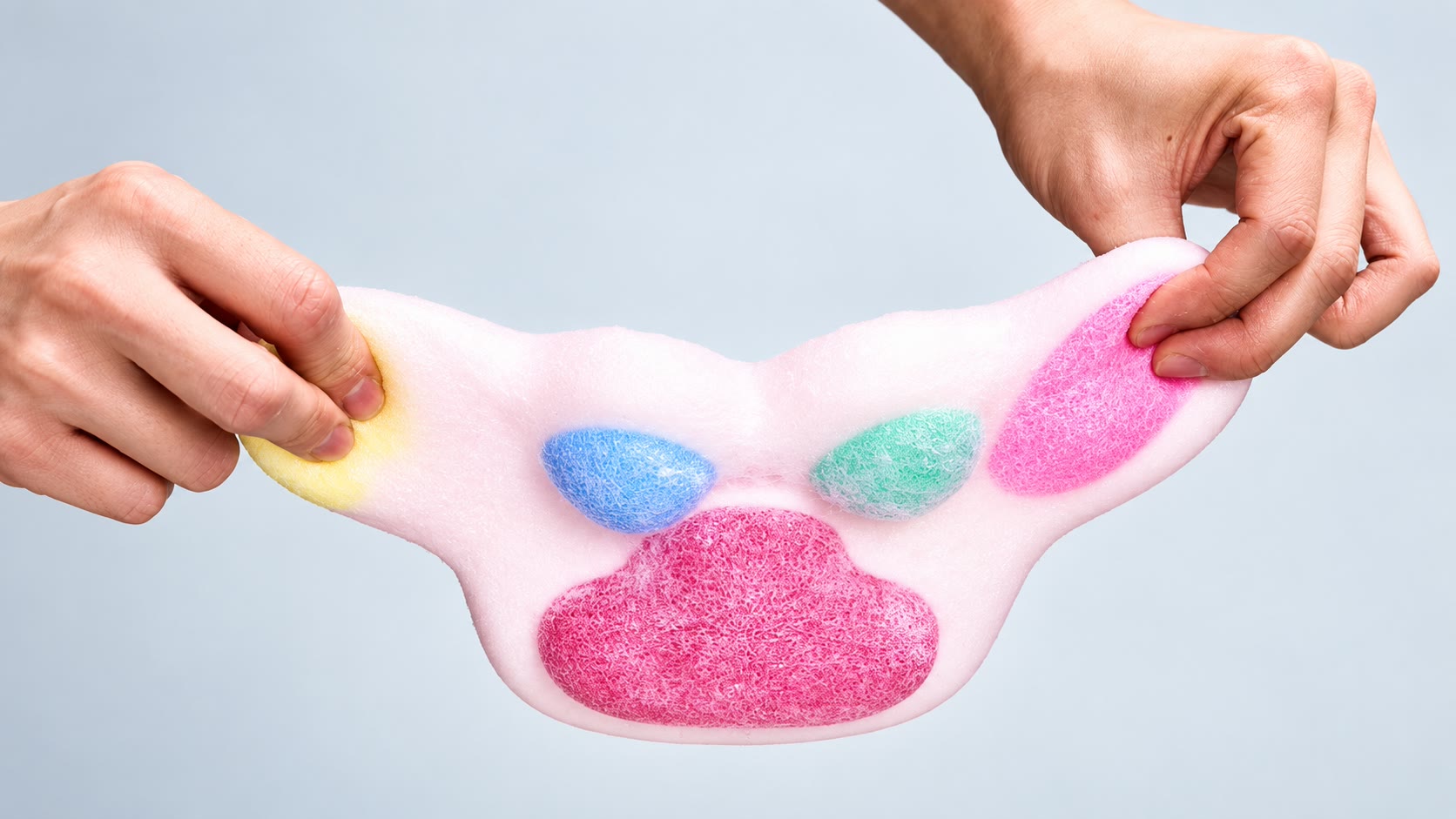
Anyone who collects small objects eventually runs into the same problem: what started as a handful of items on a shelf slowly turns into something that needs an actual storage strategy. This is true of books, of vinyl records, and it’s equally true of tactile collectibles like squishy toys, which tend to accumulate faster than people expect once a hobby takes hold.
Start Organizing Before It Becomes a Problem
The first mistake most new collectors make is treating storage as an afterthought, something to sort out once the collection has already grown unwieldy. It’s much easier to build good habits early, while a collection is still small enough that a bit of organization doesn’t feel like a chore. This matters especially for soft, textured items, since they don’t stack or store the same way a hard object like a figurine or a book would.
Why Purpose-Built Storage Beats a Generic Drawer
A dedicated storage solution designed for the object type makes a bigger difference than people expect. A generic drawer or box works in the short term, but soft toys left loose in a bag or bin tend to get misshapen over time, especially if they’re stacked under heavier items. Using a replacement storage bag for squishies purpose-built for this kind of item keeps individual pieces separated and protected without requiring an elaborate shelving system. It’s a small investment that pays off considerably once a collection grows past a dozen or so pieces.
Display and Storage Are Two Different Problems
Display is a separate question from storage, and it’s worth treating the two differently rather than assuming they’re the same problem. Storage is about protecting items you’re not actively using or showing. Display is about the smaller selection of favorites you actually want visible day to day, whether that’s on a desk, a bookshelf, or a dedicated display case in a bedroom or office. Most collectors end up with a rotating display of maybe five to ten pieces at any given time, with the rest kept in storage and swapped in periodically.
Why Rotating Your Display Keeps a Collection Feeling Alive
This rotation habit deserves more attention than it usually gets. A static display, no matter how nice the initial arrangement, tends to fade into the background after a few weeks. You stop actually noticing the pieces because your eye has gotten used to seeing them in the same spot. Swapping out a display every month or so, pulling a few pieces from storage and putting others away, keeps the collection feeling active rather than like a static shelf of forgotten objects. It also gives you a reason to actually revisit pieces you haven’t handled in a while, which for a tactile collectible is arguably the whole point.
Storing Larger Pieces Alongside Smaller Ones
Larger pieces present a slightly different storage challenge than smaller ones, mostly around space rather than protection. A TABASQUISHY® jumbo collection takes up meaningfully more shelf or storage space than a set of mini designs, which means a collector who wants both scales needs to think about the ratio between the two rather than treating storage as one-size-fits-all. A common approach is to keep only a few larger pieces on active display, since they carry more visual weight individually, while smaller pieces work well grouped together in a bin or a dedicated storage bag where quantity matters more than any single item’s presence.
Lighting and Placement Affect How Long Colors Last
Lighting and placement matter more than most collectors initially consider, particularly for textured or transparent designs where the way light hits the surface changes how the piece actually looks. A piece with a glossy or transparent finish benefits from indirect natural light rather than direct sun, which can fade color over time in almost any soft plastic or silicone material. A softer, matte-finish piece is generally more forgiving in this regard, but it’s still worth keeping any collection out of direct, prolonged sunlight if you want colors to stay vibrant for years rather than months.
Keeping a Simple Catalog of What You Own
Labeling and cataloging a collection sounds excessive for a casual hobby, but even a simple list, tracking what you have, when you got it, and roughly where it’s stored, saves real frustration once a collection grows past the point where you can remember every piece from memory. This doesn’t need to be elaborate. A basic spreadsheet or even a handwritten list works fine, and it becomes genuinely useful the first time you’re deciding whether to buy a duplicate of something you already own but haven’t seen in a few months.
Travel and Portability Considerations
For collectors who like to bring a favorite piece along when traveling, it’s worth thinking about protection a bit differently than at-home storage. A piece tossed loose into a suitcase or bag is exposed to far more friction and pressure than one sitting on a shelf, so a small padded pouch or a dedicated storage bag doubles as reasonable travel protection too. This is particularly worth considering for pieces with a delicate finish, such as flocked or transparent designs, which show wear more visibly than a simple matte piece would after repeated handling on the go.
Cleaning and Basic Maintenance
Cleaning is another piece of collection care that’s easy to overlook until it becomes necessary. Most soft toys can be wiped down with a slightly damp cloth to remove dust, though it’s worth checking whether a specific finish, particularly flocked or transparent pieces, needs a gentler approach to avoid damaging the surface. Doing a light cleaning pass whenever pieces are rotated in and out of storage keeps a collection looking presentable without turning maintenance into a separate, dedicated task.
Building a Display That Suits Your Space
Not every home or office has room for a dedicated display shelf, and that’s fine, since a good display setup scales down just as well as it scales up. A small tray on a desk, a single floating shelf, or even a windowsill can work as a rotating display space, provided it’s kept out of direct sun. The specific location matters less than the habit of treating it as a deliberate, curated space rather than just wherever items happen to land after unboxing.
This same structured approach can also be applied more widely when organizing your home, office and personal projects, especially when limited space needs to serve several different purposes.
Grouping a Collection by Theme Rather Than Just Size
Beyond sorting purely by size, some collectors find it more satisfying to organize a display around theme instead, keeping all fruit-shaped pieces together, or grouping everything from a single seasonal release as its own small cluster. This kind of thematic grouping tends to make a display feel more intentional and curated than one arranged purely by whatever fits on a given shelf, and it also makes it easier to notice which themes in a collection are getting a bit thin and might be worth adding to.
Final Thoughts
None of this needs to feel like a chore. Good storage and display habits, built early and kept simple, mean spending more time actually enjoying a collection and less time hunting for a specific piece buried at the bottom of a drawer. A little bit of structure goes a long way toward keeping a hobby feeling like a pleasure rather than a growing organizational problem, and the earlier that structure gets put in place, the less overwhelming it feels down the line.Anyone who collects small objects eventually runs into the same problem: what started as a handful of items on a shelf slowly turns into something that needs an actual storage strategy. This is true of books, of vinyl records, and it’s equally true of tactile collectibles like squishy toys, which tend to accumulate faster than people expect once a hobby takes hold.
Start Organizing Before It Becomes a Problem
The first mistake most new collectors make is treating storage as an afterthought, something to sort out once the collection has already grown unwieldy. It’s much easier to build good habits early, while a collection is still small enough that a bit of organization doesn’t feel like a chore. This matters especially for soft, textured items, since they don’t stack or store the same way a hard object like a figurine or a book would.
Why Purpose-Built Storage Beats a Generic Drawer
A dedicated storage solution designed for the object type makes a bigger difference than people expect. A generic drawer or box works in the short term, but soft toys left loose in a bag or bin tend to get misshapen over time, especially if they’re stacked under heavier items. Using a replacement storage bag for squishies purpose-built for this kind of item keeps individual pieces separated and protected without requiring an elaborate shelving system. It’s a small investment that pays off considerably once a collection grows past a dozen or so pieces.
Display and Storage Are Two Different Problems
Display is a separate question from storage, and it’s worth treating the two differently rather than assuming they’re the same problem. Storage is about protecting items you’re not actively using or showing. Display is about the smaller selection of favorites you actually want visible day to day, whether that’s on a desk, a bookshelf, or a dedicated display case in a bedroom or office. Most collectors end up with a rotating display of maybe five to ten pieces at any given time, with the rest kept in storage and swapped in periodically.
Why Rotating Your Display Keeps a Collection Feeling Alive
This rotation habit deserves more attention than it usually gets. A static display, no matter how nice the initial arrangement, tends to fade into the background after a few weeks. You stop actually noticing the pieces because your eye has gotten used to seeing them in the same spot. Swapping out a display every month or so, pulling a few pieces from storage and putting others away, keeps the collection feeling active rather than like a static shelf of forgotten objects. It also gives you a reason to actually revisit pieces you haven’t handled in a while, which for a tactile collectible is arguably the whole point.
Storing Larger Pieces Alongside Smaller Ones
Larger pieces present a slightly different storage challenge than smaller ones, mostly around space rather than protection. A TABASQUISHY® jumbo collection takes up meaningfully more shelf or storage space than a set of mini designs, which means a collector who wants both scales needs to think about the ratio between the two rather than treating storage as one-size-fits-all. A common approach is to keep only a few larger pieces on active display, since they carry more visual weight individually, while smaller pieces work well grouped together in a bin or a dedicated storage bag where quantity matters more than any single item’s presence.
Lighting and Placement Affect How Long Colors Last
Lighting and placement matter more than most collectors initially consider, particularly for textured or transparent designs where the way light hits the surface changes how the piece actually looks. A piece with a glossy or transparent finish benefits from indirect natural light rather than direct sun, which can fade color over time in almost any soft plastic or silicone material. A softer, matte-finish piece is generally more forgiving in this regard, but it’s still worth keeping any collection out of direct, prolonged sunlight if you want colors to stay vibrant for years rather than months.
Keeping a Simple Catalog of What You Own
Labeling and cataloging a collection sounds excessive for a casual hobby, but even a simple list, tracking what you have, when you got it, and roughly where it’s stored, saves real frustration once a collection grows past the point where you can remember every piece from memory. This doesn’t need to be elaborate. A basic spreadsheet or even a handwritten list works fine, and it becomes genuinely useful the first time you’re deciding whether to buy a duplicate of something you already own but haven’t seen in a few months.
Travel and Portability Considerations
For collectors who like to bring a favorite piece along when traveling, it’s worth thinking about protection a bit differently than at-home storage. A piece tossed loose into a suitcase or bag is exposed to far more friction and pressure than one sitting on a shelf, so a small padded pouch or a dedicated storage bag doubles as reasonable travel protection too. This is particularly worth considering for pieces with a delicate finish, such as flocked or transparent designs, which show wear more visibly than a simple matte piece would after repeated handling on the go.
Cleaning and Basic Maintenance
Cleaning is another piece of collection care that’s easy to overlook until it becomes necessary. Most soft toys can be wiped down with a slightly damp cloth to remove dust, though it’s worth checking whether a specific finish, particularly flocked or transparent pieces, needs a gentler approach to avoid damaging the surface. Doing a light cleaning pass whenever pieces are rotated in and out of storage keeps a collection looking presentable without turning maintenance into a separate, dedicated task.
Building a Display That Suits Your Space
Not every home or office has room for a dedicated display shelf, and that’s fine, since a good display setup scales down just as well as it scales up. A small tray on a desk, a single floating shelf, or even a windowsill can work as a rotating display space, provided it’s kept out of direct sun. The specific location matters less than the habit of treating it as a deliberate, curated space rather than just wherever items happen to land after unboxing.
This same structured approach can also be applied more widely when organizing your home, office and personal projects, especially when limited space needs to serve several different purposes.
Grouping a Collection by Theme Rather Than Just Size
Beyond sorting purely by size, some collectors find it more satisfying to organize a display around theme instead, keeping all fruit-shaped pieces together, or grouping everything from a single seasonal release as its own small cluster. This kind of thematic grouping tends to make a display feel more intentional and curated than one arranged purely by whatever fits on a given shelf, and it also makes it easier to notice which themes in a collection are getting a bit thin and might be worth adding to.
Final Thoughts
None of this needs to feel like a chore. Good storage and display habits, built early and kept simple, mean spending more time actually enjoying a collection and less time hunting for a specific piece buried at the bottom of a drawer. A little bit of structure goes a long way toward keeping a hobby feeling like a pleasure rather than a growing organizational problem, and the earlier that structure gets put in place, the less overwhelming it feels down the line.

