


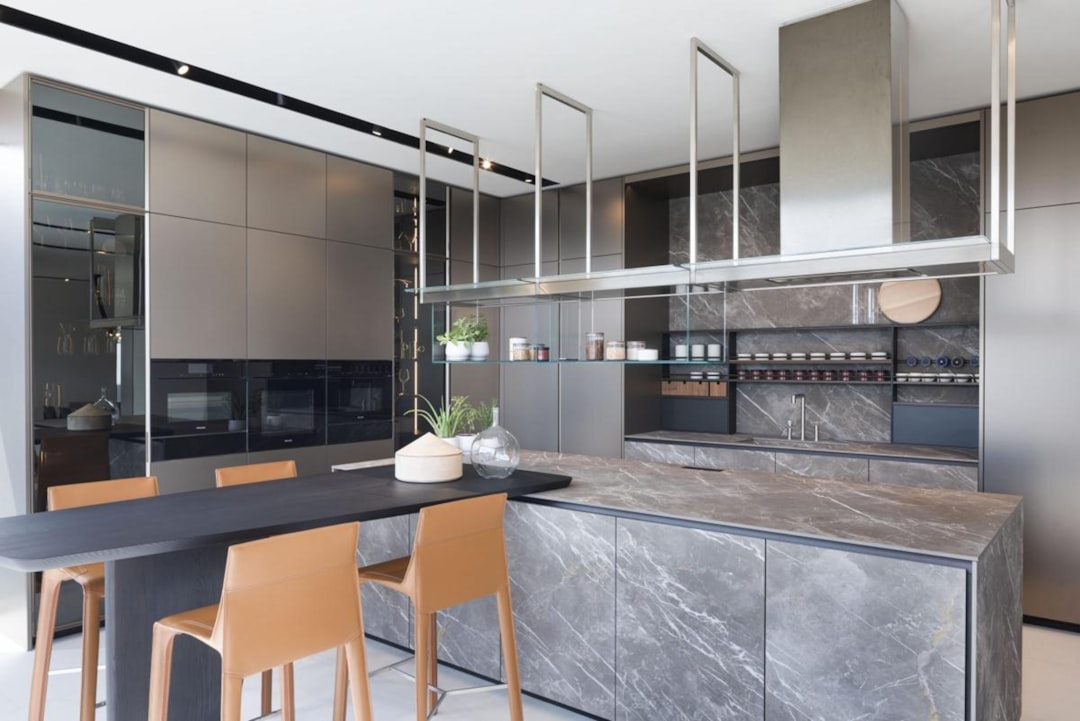
When renovating a property for resale or rental, investors usually focus most of their effort on the kitchen. A well-presented kitchen can significantly improve buyer interest and rental appeal, often influencing both the speed of sale and the final value achieved. While replacing cabinets and worktops can transform a space, experienced developers know that attention to smaller finishing details can have an equally important impact. One feature that has gained increasing attention in recent years is the kitchen splashback.
Positioned at eye level and running along the main working area, the splashback plays a central role in how modern and well-maintained a kitchen appears. Even where units and worktops remain structurally sound, an older splashback can make the entire room feel dated. This is particularly noticeable in refurbishment projects, where improving visual presentation is often the primary objective.
Traditionally, tiled splashbacks have been the default choice due to their affordability and availability. However, they can quickly show signs of wear, especially in high-use areas behind hobs and preparation zones. Grout lines are susceptible to staining, discolouration, and general ageing, which can make kitchens appear older than they are. For landlords and developers managing property portfolios, this creates an ongoing maintenance issue and can detract from the overall presentation between tenancies or viewings.
As refurbishment standards have evolved, glass splashbacks have become an increasingly common alternative. Their seamless finish removes the visual interruptions caused by grout lines, creating a cleaner and more contemporary appearance. This aligns closely with modern buyer expectations, particularly in newer developments and professionally renovated properties, where clean lines and low-maintenance materials are often prioritised.
Glass splashbacks are also valued for their versatility in design. They are available in a wide range of colours and finishes, allowing developers to complement existing worktops and cabinetry without undertaking a full kitchen replacement. This makes them especially useful in mid-level refurbishment projects, where improving visual impact at a low cost is a key objective.
In addition to aesthetic improvements, practical considerations play an important role. Glass is easy to clean and does not absorb grease or moisture, helping kitchens retain a fresh appearance over time. This can be particularly beneficial in rental properties, where durability and ease of maintenance contribute to long-term cost efficiency and consistent presentation.
Another factor influencing their growing use is the relatively straightforward installation process. In many cases, glass splashbacks can be fitted without significant structural work, allowing developers to modernise kitchens quickly and efficiently. This makes them a practical upgrade for projects operating within tight refurbishment schedules.
Property professionals widely recognise that buyers and tenants form impressions quickly, often within moments of entering a kitchen. Clean, modern finishes help reinforce the perception that a property has been well-maintained and recently updated. Even relatively minor improvements can contribute to a stronger overall appeal, particularly in competitive housing markets.
For this reason, many developers now view splashbacks as more than just a functional surface. They are increasingly seen as a finishing element that helps define the overall quality and presentation of the kitchen. Modern materials such as toughened glass offer a balance of durability, appearance, and practicality that aligns well with current refurbishment standards.
As buyer expectations continue to evolve, the focus on clean, low-maintenance finishes is unlikely to diminish. For investors and developers seeking efficient ways to improve presentation and maximise property appeal, upgrading the splashback has become a simple yet effective part of the renovation process. An industry is offering to sweep the deal for the.