


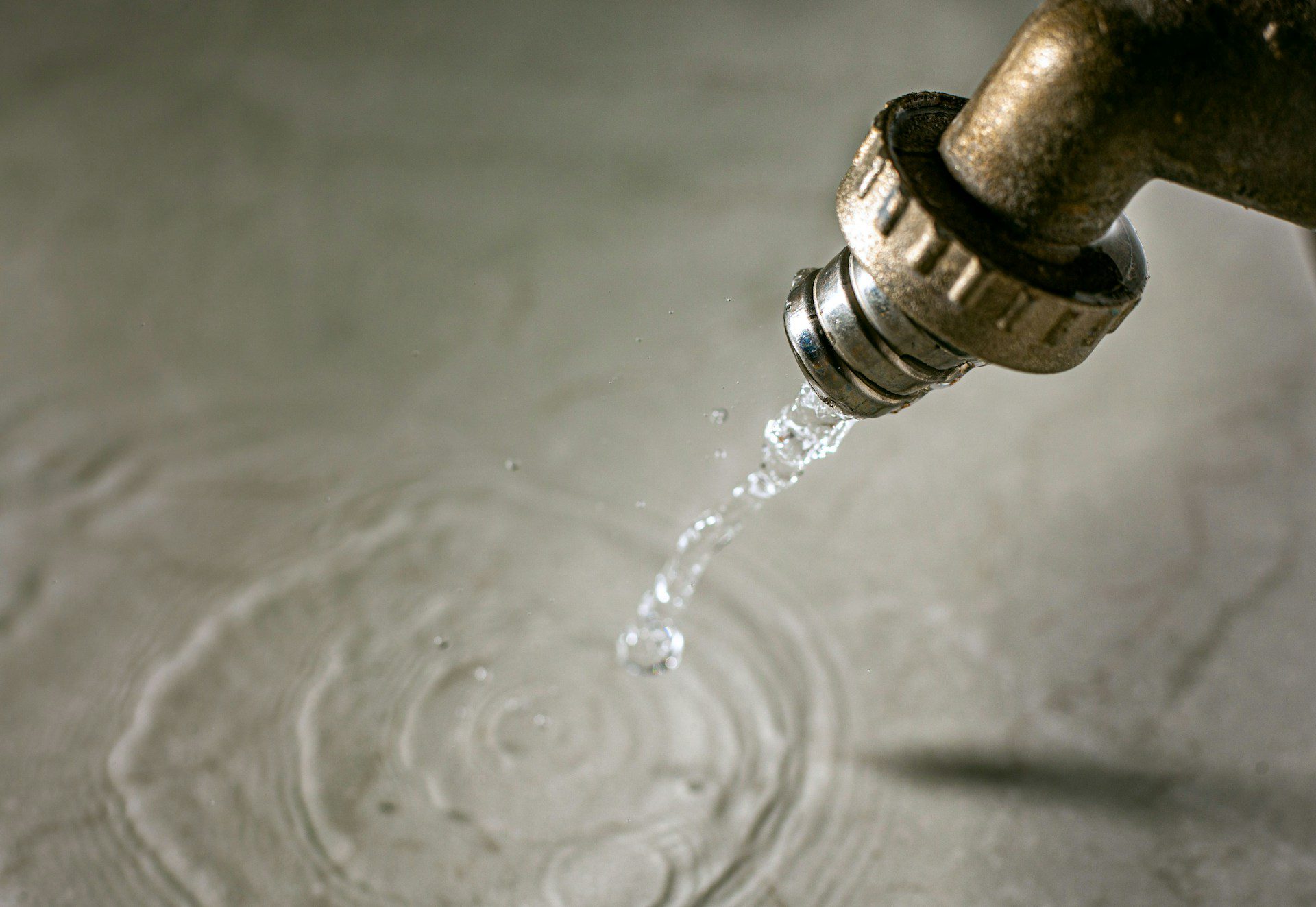
A weak trickle from the tap or a frustratingly slow shower can be more than just an annoyance—it’s often a sign of underlying issues with your home’s plumbing. Low water pressure is a common problem for UK homeowners, impacting everything from daily routines to the efficiency of your appliances. The process of the pumping of water is fundamental to a well-functioning system. Understanding the causes and solutions is the first step towards getting your home’s water supply back in full flow.
Why is my water pressure so low?
There are several reasons why you might be experiencing a drop in water pressure. While some are easy to fix yourself, others may require professional attention. The root cause typically relates to how water is moved from the mains supply to your home, or within your internal plumbing network. The effective pumping of water is essential, and any disruption to this process can lead to significant pressure loss.
Here are some of the most common culprits:
- Partially closed valves: This is one of the simplest issues to diagnose. Check your main stopcock, usually found under the kitchen sink, or your external water meter valve, to ensure they are fully open.
- Mineral build-up and blockages: Over time, especially in hard water areas, limescale, and other mineral deposits can build up inside your pipes, taps, and shower heads. This “furring” restricts the flow of water, leading to a noticeable drop in pressure.
- Leaks: A leak, whether visible or hidden, can cause a significant drop in pressure. The water that should be flowing to your taps is instead escaping into the ground or walls. Look for damp patches, unexplained puddles, or a sudden increase in your water bill.
- High demand in your area: During peak usage times, such as early in the morning or in the evening, your neighbourhood might be drawing a large amount of water at once. This can temporarily reduce the pressure for everyone on the same supply line.
- Old or narrow pipes: Older properties often have narrower pipes that were not designed to cope with the high water demand of modern appliances like power showers, dishwashers, and multiple bathrooms.
Simple steps to improve your water pressure
Before considering a major plumbing overhaul, there are a few straightforward checks you can perform to try to resolve the problem.
- Check your valves: As mentioned above, ensure both your internal and external stopcocks are fully open.
- Clean your fixtures: Unscrew your showerhead and tap aerators and soak them in a descaling solution to remove limescale and debris.
- Talk to your neighbours: If they are experiencing the same issue, the problem may be with your local water provider. You can contact them to report a mains pressure issue.
- Check for leaks: Perform a simple test by turning off all water sources in your home (taps, washing machine, dishwasher) and checking your water meter. If the meter is still spinning, you likely have a leak.
The ultimate solution: water pressure pumps
If you’ve exhausted the simple fixes and the issue persists, it may be time to consider a more powerful solution. A water pressure pump, or booster pump, is designed to actively increase the pressure of the water entering your home.
How do they work? A booster pump is installed in your system to draw water from the main supply and force it through your plumbing at a higher, more consistent pressure. This ensures that even during periods of high demand, you have a reliable and strong flow to all your taps and appliances. The modern technology behind the pumping of water has made these devices highly efficient and a long-lasting fix for a common issue.
The ultimate goal of this equipment is to ensure the pumping of water is always sufficient for your needs, from a strong shower in the morning to filling the washing machine in the evening. There are various types of water pumps available, including:
- Booster pumps: Ideal for a general pressure boost to the entire house.
- Shower pumps: Specifically designed to give your shower a powerful, invigorating flow.
- Mainsboost systems: These comprehensive systems work in tandem with a pressure vessel to give you a constant, high-pressure supply throughout your home, ensuring your boiler and appliances operate at peak efficiency.
Choosing the right pump depends on your specific needs and the layout of your home’s water system. A professional plumber can help you assess your current setup and recommend the most effective solution. Investing in a good water pressure pump, such as those found on waterpump.co.uk, is a smart choice. It offers both quick and lasting benefits for your comfort and plumbing.