


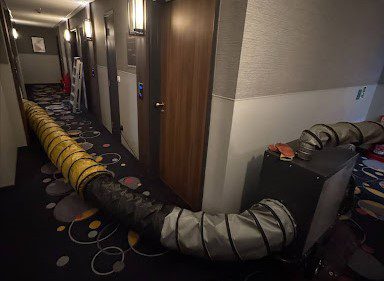
ThermoPest, the nationwide pest control company headquartered in London, has noted a continued increase in the cost of bed bug eradication throughout the UK. The rise is affecting hotels, care environments, student housing, HMOs and council-managed properties, where infestations now carry significant financial, compliance and operational implications.
Analysis from ThermoPest’s treatment cases shows a growing preference for full heat remediation rather than repeated chemical-only visits. Providers responsible for large residential portfolios are prioritising long-term resolution, as incomplete eradication can lead to escalating repeat costs, greater disruption and lengthy downtime for affected rooms.
“Hotels, care providers, councils and HMO landlords are facing pressures that go beyond routine maintenance,” said James Rhoades, founder of ThermoPest Pest Control. “For hotels, the economics are immediate — an out-of-service room can quickly impact revenue. For assisted living facilities and council-managed housing, safeguarding requirements mean infestations must be resolved thoroughly. In HMOs and student accommodation, interconnected layouts allow bed bugs to spread rapidly if treatments are inconsistent.”
ThermoPest reports that many of its clients now request comprehensive project management, including structured follow-up visits, transparent reporting and support with communications for guests or residents. This marks a shift towards more formalised, standardised industry expectations.
Cross-room spread is still a major contributor to rising costs, especially in buildings with shared ventilation, older infrastructure or frequent changeover of occupants. In response, organisations are increasingly implementing internal escalation frameworks, early detection strategies and preventative monitoring systems.
“Bed bug control is becoming a risk-management priority for UK accommodation providers,” Rhoades added. “The organisations adopting consistent treatment standards and evidence-based approaches are seeing more predictable outcomes and lower long-term costs.”
ThermoPest forecasts continued growth in demand from hotels, councils, student housing and assisted living providers throughout 2026, driven by travel patterns and increased density of living spaces.
