


Cryptocurrency markets now offer multiple trading approaches to match different risk profiles. Spot trading and margin trading dominate this landscape due to accessibility and flexibility. Each method serves a distinct purpose for participants across experience levels. Understanding their structural differences helps reduce costly mistakes. This article explains how both models work, where risks differ, and how to choose wisely.
Context of Modern Cryptocurrency Markets and Trading Methods
Digital asset markets evolved rapidly as liquidity, infrastructure, and user access expanded globally. Different trading methods emerged to support diverse goals and time horizons. A growing number of participants now interact through exchanges, wallets, and decentralized tools. As adoption increased, the need for direct ownership and leveraged exposure became clearer. Traders often encounter these choices when selecting a platform during portfolio setup. Understanding the ecosystem context helps clarify why multiple methods coexist.
Growing Relevance Among Retail and Professional Traders
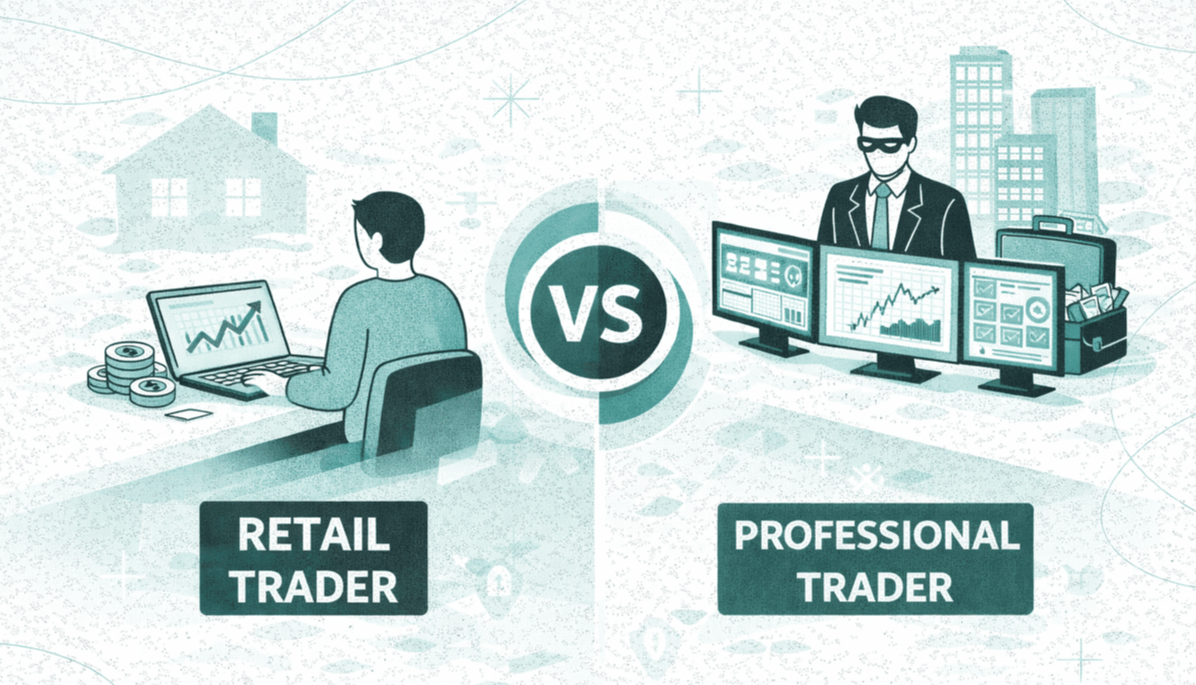
Retail participants favor simplicity and transparency when entering crypto markets. Professionals seek efficiency, capital optimization, and tactical flexibility. Spot trading supports accumulation and gradual allocation strategies. Margin trading enables exposure expansion without committing full capital upfront. Both methods now operate side by side across global exchanges. Their relevance continues growing as markets mature and trading volumes increase. Clear differentiation helps align method choice with personal objectives.
Importance of Understanding Structural Differences
Structural differences influence ownership, cost, and risk exposure. Spot trading emphasizes direct exchange and settlement certainty. Margin trading introduces borrowed capital and conditional positions. Without understanding these mechanics, risk management becomes ineffective. Many losses stem from misunderstanding leverage or liquidation rules. Learning these foundations through the best spot trading platform helps prevent emotional decision-making. Informed structure awareness strengthens long-term consistency and discipline.
How This Article Explains Key Differences
This article follows a practical and risk-aware approach. Each section explains one dimension of difference in plain language. Comparisons focus on mechanics, ownership, and cost implications. Realistic use cases guide decision-making without exaggeration. You gain clarity without promotional bias or technical overload. The goal remains education and confident trading choices.
Fundamental Trading Mechanics: How Spot and Margin Trading Operate
Spot trading involves buying or selling assets at current market prices using available funds. The transaction settles immediately once matched. Margin trading allows exposure through borrowed capital provided by the exchange. Orders execute similarly, yet margin positions rely on collateral balances. Trading pairs function the same across both models. Price discovery remains consistent, but leverage magnifies outcomes. These mechanics shape profit potential and downside risk.
Asset Ownership and Settlement Differences
Spot trades grant immediate ownership of purchased assets. Settlement completes without future obligations or repayment. Assets remain transferable or withdrawable after execution. Margin trading creates conditional ownership until positions close. Collateral secures borrowed funds within a margin account. Ownership ends if liquidation occurs before closure. Long-term holding strategies align better with direct settlement certainty.
Leverage, Exposure, and Risk Dynamics
Leverage multiplies market exposure beyond available capital. Small price movements create amplified gains or losses. Spot trading limits the downside to invested funds only. Margin trading introduces liquidation risk when equity falls below thresholds. Volatility intensifies emotional pressure during leveraged positions. Rapid market swings increase liquidation probability. Understanding exposure mechanics remains essential for controlled participation.
Key Risk Elements to Understand
Margin trading introduces additional operational risks that require preparation. These elements directly affect position survival during volatility.
- Initial margin defines the minimum capital required to open a position.
- Maintenance margin sets the equity level needed to keep positions open.
- Forced liquidation occurs when the margin falls below the required levels.
- Interest accrues on borrowed funds throughout the position duration
- Sudden price gaps may bypass stop orders and accelerate losses.
- Recognizing these factors improves discipline and prevents unexpected outcomes.
Cost Structures, Liquidity, and Market Access
Spot markets charge standard transaction fees per trade. Margin trading adds interest costs for borrowed capital. High-volume traders must consider cumulative expenses. Liquidity remains critical for minimizing slippage in both markets. Leveraged markets may experience faster liquidation cascades. Margin trading enables broader strategy access, including short positions. Cost awareness supports sustainable trading decisions.
Comparative Overview of Core Cost and Access Factors
The following table highlights practical differences across key dimensions that affect daily trading behavior.
|
Aspect |
Spot Trading |
Margin Trading |
|
Capital usage |
Uses owned funds only |
Uses borrowed and owned funds |
|
Trading fees |
Standard transaction fees |
Transaction fees plus interest |
|
Liquidation risk |
None |
Present when the margin falls |
|
Holding duration |
Flexible long or short term |
Usually short to medium term |
|
Strategy range |
Buy and hold, rotation |
Long, short, hedging strategies |
This comparison helps evaluate alignment with capital efficiency and risk tolerance.
Strategic Use Cases and Trader Profiles
Spot trading suits beginners seeking clarity and controlled exposure. Conservative participants value ownership certainty and simplicity. Margin trading attracts experienced traders pursuing amplified returns. Capital efficiency matters when deploying multiple strategies simultaneously. Leveraged positions demand active monitoring and faster reactions. Short-term speculation aligns better with margin structures. Long-term investment goals align more with spot accumulation.
Risk Management and Market Discipline Considerations
Position sizing remains essential across both trading styles. Stop loss and take profit tools help manage downside exposure. Margin calls impose immediate operational consequences during drawdowns. Education reduces emotional reactions under pressure. Platform safeguards add another layer of protection. Regulatory awareness strengthens trust and accountability. Discipline transforms risk from threat into a managed variable.
How Zoomex Supports Both Trading Approaches Effectively
Zoomex is a fast-growing global cryptocurrency exchange founded in 2021, built to serve both beginner and professional traders. With over 3 million registered users across 35+ countries, the platform delivers high-performance trading through 590+ perpetual contracts and ultra-fast execution with sub-10ms interface latency. Its multi-signature hot and cold wallet system enhances asset security, while deep liquidity ensures stable pricing even during volatile markets. Zoomex also stands out through 24/7 multilingual customer support, educational tools for responsible leverage use, and strong brand partnerships, reinforcing reliability, transparency, and competitive trading experience.
Conclusion
Spot trading and margin trading differ across ownership, risk, cost, and strategy. Each method serves specific experience levels and objectives. No approach guarantees success or fits every participant. Aligning method choice with risk tolerance improves consistency. Education and discipline remain critical regardless of style. Understanding these differences empowers smarter and more confident trading decisions.