


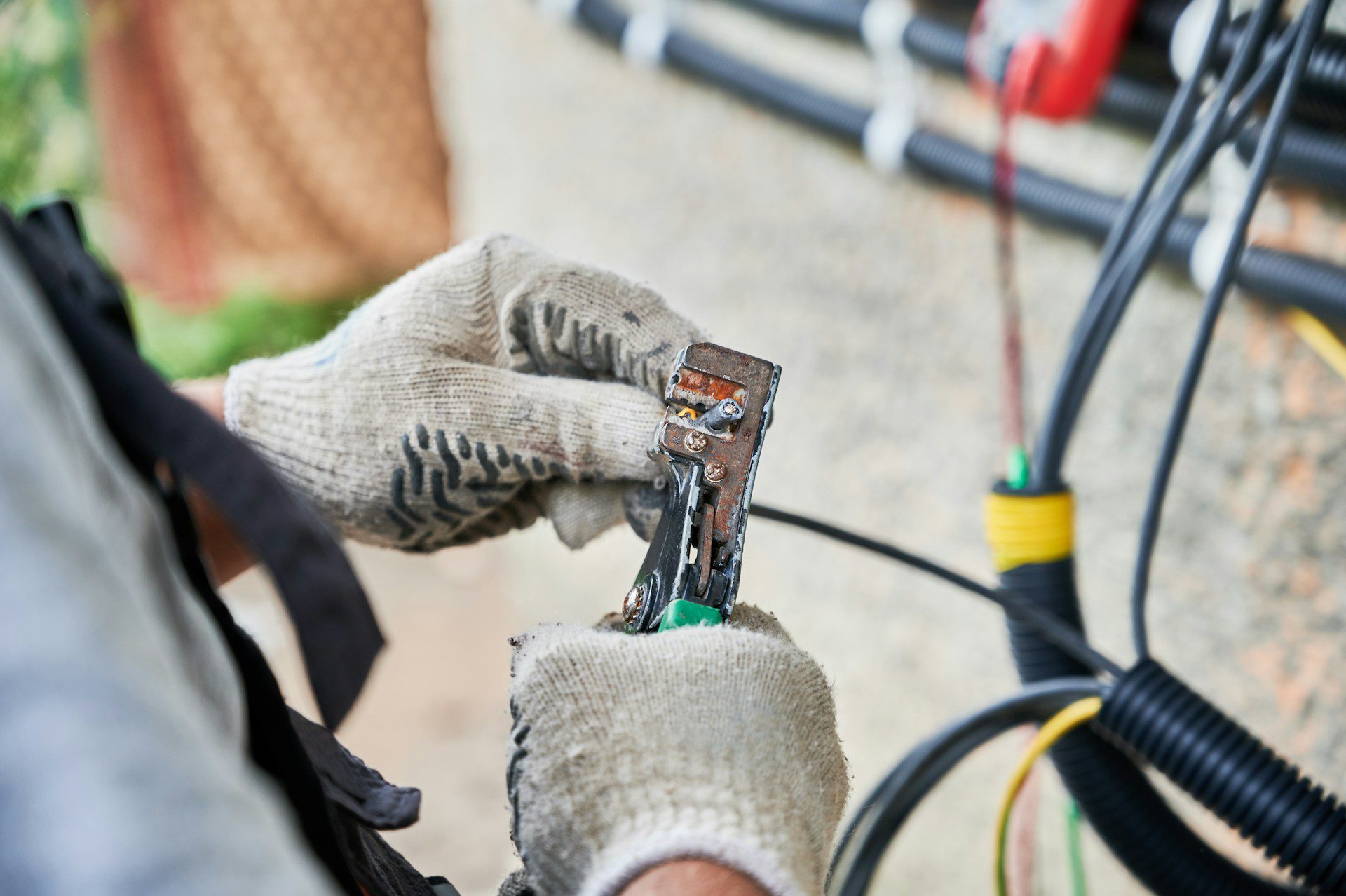
A good cable stripper saves time and prevents wire damage, whether for a quick home fix or detailed car wiring. Many people use one tool for both, but not every stripper fits both types of jobs. Automotive wires often have tougher insulation and thinner strands, while home wires use solid cores that need different precision. The best cable stripper for both home and car projects fits the right wire sizes, removes insulation cleanly, and keeps copper strands intact with minimal effort.
Choosing the right design depends on wire type, frequency of use, and how much control is needed. Manual models offer accuracy for smaller tasks, while self-adjusting types handle multiple wire sizes fast. Each option has its trade-offs, and knowing these helps avoid stripped insulation, nicked copper, and wasted material.
A short look at key features, tool types, and proper technique can make wiring smoother and safer. The right cable stripper not only improves workmanship but also extends the life of electrical connections in both home and vehicle systems.
Key Considerations for Choosing a Cable Stripper
Selecting a cable stripper depends on the type of project, wire size, insulation material, and the tool’s precision features. Each factor affects how cleanly and safely the insulation comes off the wire and how versatile the tool will be for both household and car work.
Project Scope: Home Versus Automotive Requirements
Home electrical work often involves copper wiring for outlets, lights, and small appliances. These tasks usually need manual or self-adjusting strippers suitable for medium to light insulation. Lightweight tools with comfortable grips help maintain accuracy across different wire gauges without tiring the hand.
Automotive projects usually require tools that handle smaller wires and tighter spaces. Vehicles use low-voltage circuits, often with thin, multi-strand wires covered by tough PVC insulation. A copper cable stripper machine can improve accuracy and speed for bulk stripping, especially when recycling old wiring or repairing harnesses.
Both environments demand tools that match the wire type and job frequency. Professionals who move between home and automotive tasks often keep both a manual handheld stripper and a powered model for larger cable preparation.
Wire Gauge and Cable Compatibility
Every cable stripper supports a specific wire gauge range, and using the wrong one can damage the conductor or leave too much insulation in place. For home use, sizes between 10 and 24 AWG cover most wiring needs. Automotive wires often fall within the smaller range of 16 to 22 AWG.
The stripper should clearly show gauge markings and allow a snug fit around the wire. Tools with adjustable jaws handle different diameters effectively, reducing the need for multiple strippers. A multi-purpose stripper that can accommodate both stranded and solid wires adds flexibility for mixed projects.
Users should also inspect the compatibility between the stripper’s cutting edges and the shape of the wire. Round cables, flat wires, and coaxial types each require specific grip and blade designs to prevent cuts or nicks in the conductor.
Insulation Type and Thickness
Different insulation materials affect how a cable stripper performs. Soft PVC or rubber coverings are easy to cut, while hard or thick insulation on automotive or industrial cables needs a sharper edge and stronger grip.
A good stripper includes adjustable tension to match insulation hardness. For instance, an electrician working with heavy power cables may require a tool with stronger spring tension than someone handling fine signal wires. Some models include replaceable blades suited for specific insulation types, which can extend tool life and improve cut quality.
Users should test a short cable sample before stripping large batches. This quick step helps adjust the pressure and prevents wasted wire or uneven cuts.
Blade Adjustability and Precision
Blade depth control affects how effectively the insulation comes off without damaging the wire core. A precise blade setting is especially useful for automotive repair, where wires are thin and easy to nick.
Many advanced models include a fine-tune dial or locking depth guide. These features help maintain consistency over multiple wires. A visible depth reference also allows the user to confirm alignment before applying pressure.
Durable steel or replaceable blades reduce wear and maintain sharpness. Consistent precision not only protects the wire but also improves speed. For users working on both home and vehicle systems, a tool with adjustable tension and depth control offers the best balance between accuracy and convenience.
Comparing Types of Cable Strippers for Versatile Use
Choosing the right cable stripper depends on how it performs in both small household tasks and more demanding car wiring jobs. Each type varies in speed, precision, and comfort, which affect how efficiently a person can remove insulation without damaging the wire or creating safety risks.
Manual Wire Strippers: Functionality and Applications
Manual wire strippers use a simple hand-operated mechanism that cuts and removes insulation from electrical wires. They suit small electrical projects and repair work around the house or in vehicles. These tools often have several gauge slots to match different wire sizes, which helps users strip insulation cleanly without cutting into the metal conductor.
A manual stripper works best for light use or detailed adjustments. For example, home users may rely on it for rewiring outlets, speakers, or car lighting. It offers control and precision, though it requires more effort compared to powered models.
Many manual strippers include built-in crimpers or cutters. This design lets users complete multiple tasks with one tool. However, in high-volume projects, manual stripping can slow down progress. The grip strength and quality of the cutting edge determine how well it keeps performance consistent over time.
Automatic Cable Strippers: Efficiency and Speed
Automatic cable strippers remove insulation quickly with minimal user effort. They use spring-loaded or motorized mechanisms to adjust automatically to various cable diameters. This feature helps reduce mistakes from applying too much pressure or cutting into the wire.
These tools save time in professional or repetitive work, such as automotive wiring or telecommunications installations. Because the device adjusts its tension automatically, users can complete large batches of cables with consistent precision.
Automatic wire strippers suit users who value speed and uniform results. They often include depth controls or adjustable stops that help prevent over-cutting. While they cost more than manual tools, their time savings often justify the expense in large-scale wiring projects.
Special Features: Ergonomics, Safety, and Durability
Comfort and safety play major roles in tool selection. Ergonomic handles reduce strain on hands and wrists during long sessions. Non-slip grips improve control, which helps avoid slips that can nick wires or cause minor injuries.
Durability depends on materials such as hardened steel or reinforced plastic. High-quality blades resist wear and maintain clean cuts even after many uses. A locking mechanism can hold the tool closed for safer storage.
For both home and car projects, safety guards and adjustable cutting depth features help prevent wire damage. A well-designed tool with solid construction can serve general DIY use and light professional work for years with minimal maintenance.
Conclusion
A good cable stripper should match both household wiring and automotive needs. It must handle different wire gauges and insulation materials without harming the conductor. Precision and comfort matter more than fancy features.
For home use, a manual or self-adjusting model offers enough control for typical electrical tasks. In contrast, automotive projects benefit from a tool that manages thin, stranded wires accurately. A tool that balances both uses saves time and reduces mistakes.
Key points to remember:
- Match the stripper size to the wire gauge.
- Choose strong, comfortable handles for better grip.
- Inspect each strip to confirm clean cuts with no nicked strands.
By understanding these basics, anyone can select a single tool suited for both settings. This approach provides cleaner work, safer connections, and fewer tool changes between projects.