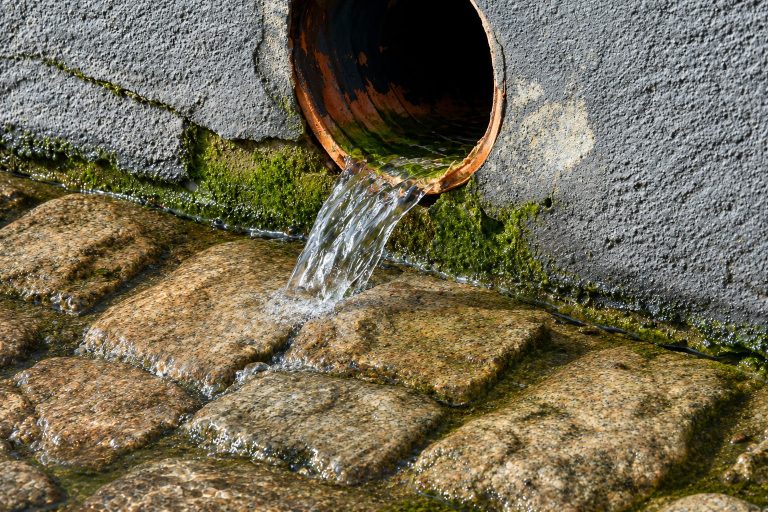
Drains overflowing during heavy rain can cause serious problems for homeowners, particularly when existing blockages are already preventing water from flowing freely. During prolonged or intense rainfall, drainage systems must handle much larger volumes of water than usual. If pipes are partially blocked, damaged or unable to cope with the additional flow, water can back up and escape through drains and inspection chambers.
While heavy rainfall can overwhelm a drainage system, it can also expose problems that have been developing for months.
01Why Do Drains Overflow During Heavy Rain?
Drainage systems carry wastewater and, where connected, surface water away from properties. During heavy rain, the amount of water entering these systems can increase significantly.
If a pipe is partially blocked, the additional water may be unable to pass through quickly enough. This causes water to back up and eventually overflow.
However, a blockage isn’t always responsible. During particularly intense rainfall, public sewers and surface water drainage systems can become overwhelmed, even when the pipes are clear.
Understanding the causes of drains overflowing during heavy rain can help homeowners recognise warning signs and take appropriate action before the problem becomes more serious.
02Existing Blockages Can Become Worse
One of the most common reasons for overflowing drains is a partial blockage.
Over time, fat, grease, wet wipes, leaves and other debris can accumulate inside drainage pipes. Although water may still flow through the restricted section during normal conditions, heavy rainfall can expose the problem.
Tree roots can also enter underground drains through cracks or damaged joints. As they grow, they restrict water flow and trap additional debris.
If your drains repeatedly overflow whenever it rains, an existing blockage may be responsible.
03Can Damaged Drains Cause Flooding?
Underground drainage pipes can crack, shift or collapse due to ageing, ground movement and poor installation.
These defects can restrict water flow and allow soil or other materials to enter the system.
A damaged pipe may continue working during dry weather but struggle when rainfall increases the volume of water passing through it.
In these cases, clearing the blockage may not provide a lasting solution. A CCTV drain survey can identify structural damage and determine whether drain repair is needed.
04What Should You Do If Your Outside Drain Overflows?
If an outside drain begins overflowing during heavy rain, there are several steps you can take.
- Reduce water use: Avoid running washing machines, dishwashers and other appliances if the affected drain carries household wastewater.
- Check for visible debris: Leaves and other materials may be blocking a surface gully. Only remove debris if it is safe and the water is not contaminated.
- Avoid contact with wastewater: Overflowing drains may contain sewage, so keep children and pets away.
- Protect your property: Move vulnerable belongings away from affected areas where safe.
- Seek professional assistance: If water continues overflowing or sewage begins backing up, contact a drainage specialist.
Avoid opening inspection chambers during flooding or attempting to clear underground pipes without suitable equipment.
05How Are Overflowing Drains Cleared?
The most appropriate solution depends on the cause.
Professional drain unblocking methods include drain rodding and high-pressure water jetting. These can remove obstructions such as grease, silt, debris and some root growth.
Where blockages keep returning, a CCTV drain survey can help identify cracks, displaced joints or other structural defects.
However, if the problem is caused by an overloaded public sewer rather than a private blockage, your sewerage company may need to investigate.
06Preventing Drain Overflows in Wet Weather
Regular maintenance can reduce the likelihood of drainage problems during wet weather.
Keep gutters, downpipes and surface gullies clear of leaves and debris. Avoid disposing of fats, oils, wet wipes and other unsuitable materials through sinks and toilets.
Recurring blockages and slow drainage should also be investigated before they develop into more serious problems.
For more advice on protecting your home, PAD Magazine’s guide on why drainage maintenance is essential for protecting your property explains how regular inspections and preventative maintenance can reduce the risk of water damage and expensive repairs.
For commercial properties, planned drain cleaning and inspections can help identify potential issues before they disrupt business operations.
Preventative maintenance is particularly useful for properties that have experienced drains overflowing during heavy rain in the past.
07When Is Emergency Drain Unblocking Necessary?
Not every overflowing drain requires an emergency callout. A surface water drain may temporarily struggle during exceptionally heavy rainfall before returning to normal.
However, emergency drain unblocking may be necessary if sewage is backing up into your property, several drains are blocked simultaneously or water continues overflowing after the rain has stopped.
If the same problem occurs repeatedly, a professional inspection can establish whether the cause is a blockage, damaged pipework or insufficient drainage capacity.
08Final Thoughts
Heavy rain can overwhelm drainage systems, but it can also reveal existing blockages and damaged pipework.
Keeping drains clear and investigating recurring problems can help reduce the likelihood of flooding. If wastewater is overflowing or backing up towards your property, professional drainage assistance can identify the cause and recommend the appropriate solution.