


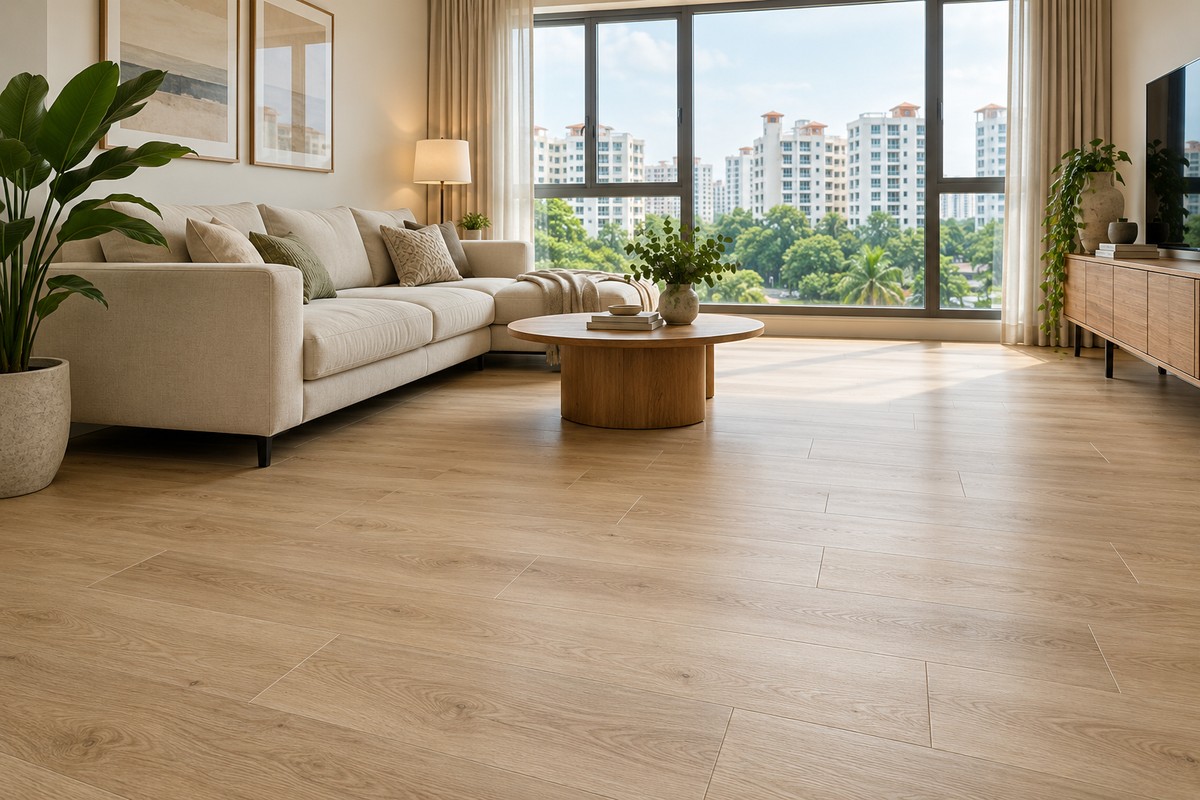
Choosing a floor is easy when you only think about colour and appearance. It gets harder when you consider Singapore’s humidity, frequent cleaning, heavy furniture and the amount of foot traffic your rooms actually see. A floor that looks perfect in a showroom can feel like the wrong choice six months later if its construction does not match your home.
The smarter approach is to start with how the floor will be used, then work backwards to the product. If you are comparing materials and want to understand the available vinyl options, it can help to browse a vinyl flooring supplier in Singapore before narrowing down your choice. The useful question is not simply “Which floor looks best?” but “Which floor will still make sense after years of everyday use?”
Start With How You Live
Think about the room before thinking about the flooring. A quiet bedroom has different demands from a living room where people walk through constantly, while a dining area has to cope with dropped food, chair movement and regular cleaning.
Make a quick list of what the floor will face:
- Heavy foot traffic
- Furniture movement
- Spills and cleaning
- Direct sunlight
- Pets or young children
This matters because durability is not one simple number. A floor can cope well with foot traffic but still be a poor match if the room gets strong afternoon sun or if furniture is regularly dragged across it.
Look Beyond the Surface
One common mistake is choosing vinyl flooring mainly from a small sample. Colour and grain matter, but they are only the visible layer of the decision.
Look at the flooring’s overall construction, thickness, wear layer and installation method. These details affect how the floor feels underfoot and how well it handles everyday use. Two floors can look almost identical in photographs while having very different specifications.
The practical rule is simple: do not compare appearance first and specifications later. Shortlist products that meet your functional needs, then choose the design you prefer from that group.
Calculate the Real Cost
The cheapest flooring option is not always the lowest-cost choice over time. Installation, preparation work, wastage and future repairs can change the final figure.
Imagine two options for a 500-square-foot living space. One has a lower material price but requires more subfloor preparation. Another costs more per square foot but needs less preparation and produces less waste during installation. Looking only at the material price could make the first option appear cheaper when the completed floor tells a different story.
Ask for the full installed cost, including preparation and accessories, before comparing quotations. This gives you a more useful number to work with.
Check the Room Before Buying
Your existing floor can affect what happens next. Uneven areas, moisture concerns or damaged sections may need attention before new flooring is installed.
This is another place where people can underestimate the job. A beautiful flooring product cannot compensate for an unsuitable surface underneath it. If you are renovating, inspect the existing floor early rather than treating preparation as an afterthought.
Also consider door clearances, skirting details and transitions between rooms. A change in floor height that looks insignificant on paper can become noticeable once doors, cabinets and adjoining floors are involved.
Think About the Whole Renovation
Flooring is one part of a wider renovation, so consider how your chosen finish will work with the room’s furniture, lighting and overall design. For further ideas, explore the home improvement section on PAD Magazine. Planning these elements together can help you choose a floor that suits both your daily routine and the finished space.

