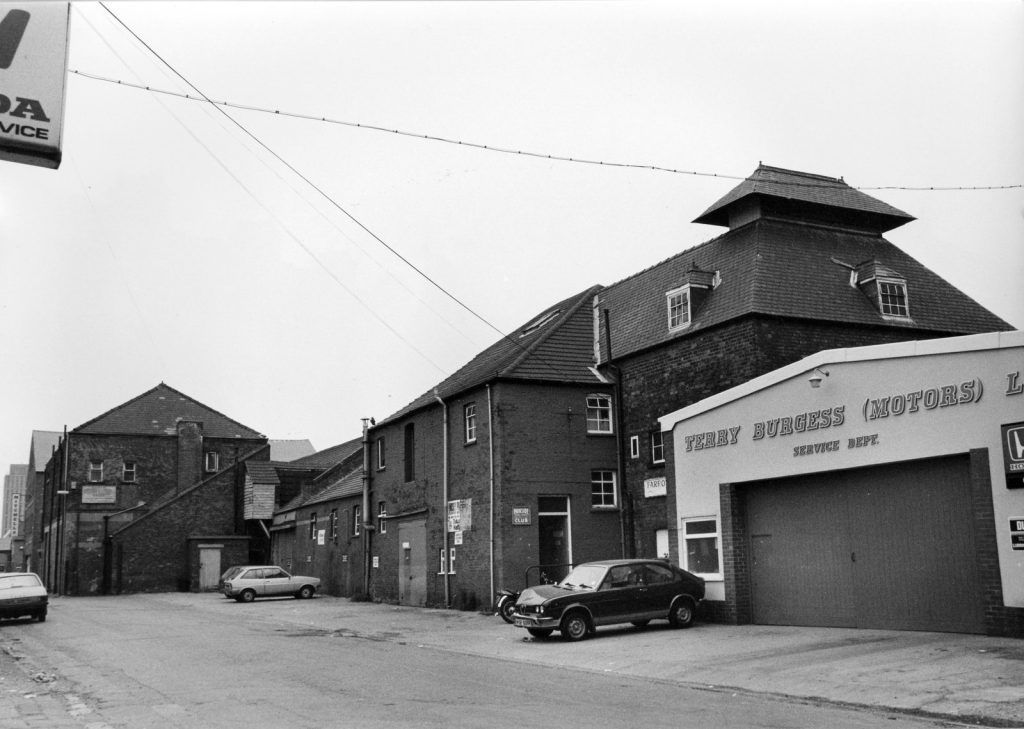
Housebuilder Keepmoat has released historic images showing the industrial past of Alexandra Dock in Grimsby, as regeneration of the site continues through a £20million investment. The images were shared alongside an update on the scheme, announced on 3 November.
The former industrial site is being transformed into a mix of one, two, three and four bed homes and apartments, dubbed ‘Alexandra Wharf’, to create new waterfront housing with easy access to local amenities.
01Alexandra Dock as part of a wider dockyard regeneration
The development forms part of North East Lincolnshire Council’s wider regeneration of the former dockyard. The aim is to turn disused industrial land into a central residential area flanked by new green space.
Keepmoat, which describes itself as a top 10 housebuilder, is working in partnership with the council to deliver 120 homes across a range of tenures. The company said the scheme maintains the waterfront link to the town’s maritime and fishing heritage.
According to the release, Alexandra Wharf’s waterfront setting and central location offer residents the chance to live by the water while remaining close to the heart of Grimsby, with everyday amenities within walking distance. The development is described as combining waterside living, new homes and generous outdoor space.
The project joins a number of brownfield schemes across the country, including the transformation of abandoned land in Ravenscraig and Lovell’s Station Quarter scheme in Telford, where former sites are being brought back into use for housing.
02What the developer and council said
Ciaran Aldridge, Regional Managing Director at Keepmoat Yorkshire East, said: “This development represents an important step in the regeneration of Grimsby town centre, transforming a historic site into a vital new community for local people.
“At Keepmoat, we specialise in regenerating sites and creating well-connected, well designed multi-tenure neighborhoods. We’re committed to maintaining green spaces, creating amenities for future investments and breathing new life into this fantastic area of Grimsby.”
Cllr Oliver Freeston, Leader of North East Lincolnshire Council, said: “We’ve been working with both Keepmoat and Homes England on this project for many years now, and to see the first phase of properties nearing completion is great work. Once fully developed, the scheme will transform the brownfield land and bring a whole new dynamic to this area of Grimsby.”
03Keepmoat’s brownfield focus
Keepmoat is a partnership homebuilder and says it has built more than 35,000 homes to date, transforming brownfield sites into new communities.
The company states that more than 80 percent of its current developments are on brownfield land, and that almost 70 percent of the homes it builds help first time buyers onto the property ladder. It also holds Five Star builder status, awarded by the HBF to homebuilders who receive a score of 90 percent or higher in the annual customer satisfaction survey.
Further information about Alexandra Wharf is available on Keepmoat’s website.
Details and image via Keepmoat.