Indoor air quality and ventilation manufacturing specialist Nuaire has launched a new CPD, An Introduction to Sustainability, designed to give building services professionals a clearer understanding of the core principles of sustainability within the built environment, along with the terminology used. The company set out details of the course in a release issued on 5 November.
The hour-long CPD is intended as an accessible introduction for people working within the M&E industry who may have limited knowledge of sustainability, or who want to build a stronger foundation before moving into more technical detail. It is available online or in person.
01Introduction to Sustainability: from net zero to the circular economy
The presentation opens by looking at what sustainability means in practice and the factors driving organisations to adopt more sustainable approaches. It then considers the route towards net zero carbon and the importance of reducing emissions, rather than relying primarily on offsetting.
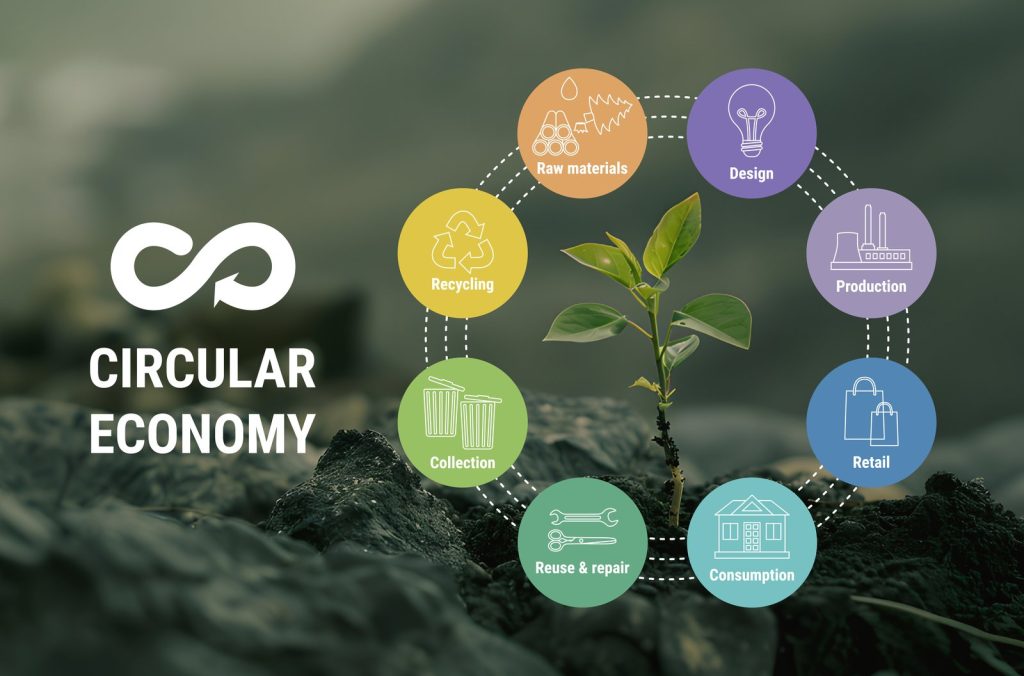
A significant part of the course focuses on the shift from the traditional linear economy, based on a take, make and waste approach, towards a circular economy. A circular economy aims to keep products and materials in use for longer through reuse, repair, refurbishment, remanufacturing and recycling. For the HVAC industry, examples include designing products so that they can be repaired or refurbished, using recycled and recyclable materials, integrating smart controls and reducing the environmental impact associated with refrigerants.
02Embodied carbon and product data
Embodied carbon is another key focus. The CPD explains why the environmental impact of a product cannot be judged solely on the energy it consumes in operation. Instead, it should be considered across the product’s lifecycle, including raw materials, manufacture, distribution, use, disposal and recycling. The course also looks at some of the challenges involved in calculating embodied carbon.
For those increasingly asked to provide or interpret environmental product data, the course introduces Environmental Product Declarations (EPDs) and CIBSE TM65. An EPD is a standardised document based on lifecycle assessment data and independently verified by a third party. TM65 is a CIBSE-developed methodology for assessing embodied carbon. It can help fill the data gap where an EPD is unavailable. The CPD covers both the basic and mid-level TM65 calculation methods, together with the relative advantages and limitations of TM65 and EPDs. These themes sit within the wider sustainability and compliance demands facing modern building projects.
Science-based targets are also introduced, including how organisations can establish emissions targets and disclose progress against them. The course concludes with some of the standards and assessment methods building services professionals may encounter, including Approved Document L, BREEAM and LEED.
03Drawing on Nuaire’s own activity
Alun Thomas, Technical Director at Nuaire, said: “Sustainability is now firmly embedded in the construction and building services agenda, but the language surrounding it can be complex and often misunderstood. Our aim with this CPD is to take some of that complexity away. It provides a broad introduction to the key concepts and methodologies, helping people working in building services better understand what the terminology means, why it matters and how it relates to the decisions being made across our industry.”
The presentation also draws on Nuaire’s own sustainability activity to put the subject into context. In 2024, Nuaire reduced the embodied carbon of its product portfolio by 2,000 tonnes through measures including material reduction and substitution, such as the use of recycled plastic in ducting.
Nuaire is based in South Wales, and its ventilation systems are used in commercial and residential applications including hotels and houses. Professionals can arrange a presentation through the CPD and training pages of its website.
Details and image via Nuaire.