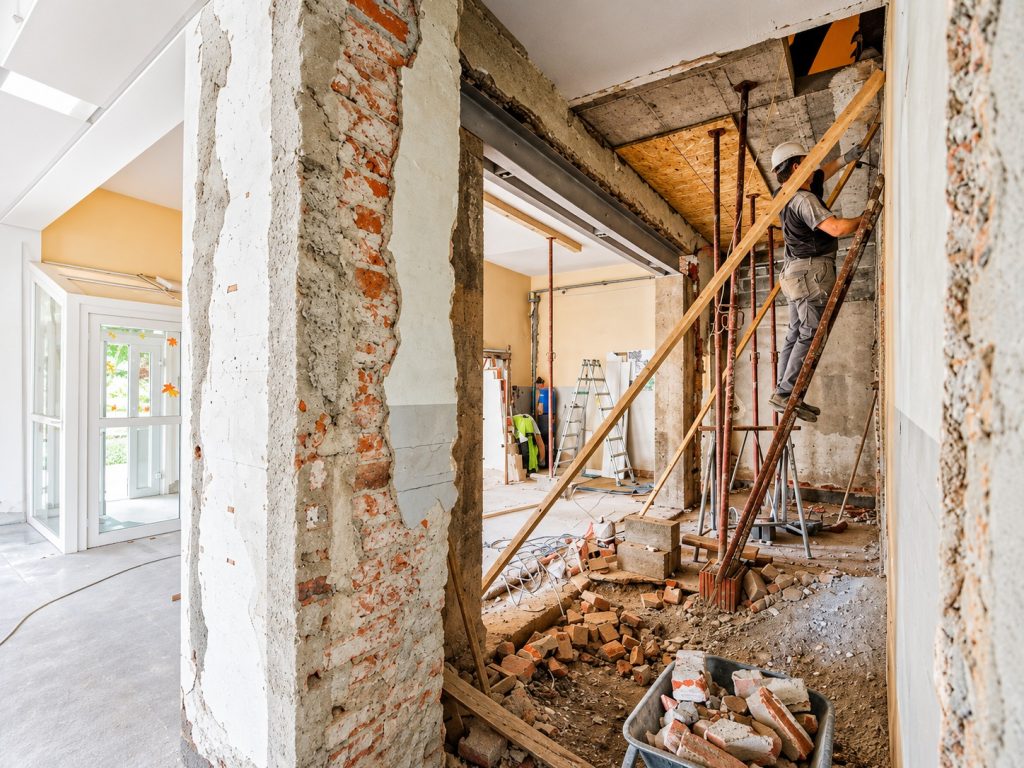
Most renovation projects start with inspiration: a picture of a kitchen you love, an extension you have been sketching for years, or a period home with plenty of potential. The trouble is that inspiration rarely comes with a costed plan. Homeowners who go over budget usually started spending before they understood the property properly or knew where the money would come from.
A well-planned renovation starts long before the first skip is delivered. It begins with a clear picture of the building’s condition, a realistic budget with room for surprises, and a savings plan that keeps your money working while you get quotes and approvals in order.
01Start With What the Building Is Telling You
Before you commit to a design, you need to know what you are working with. Older homes in particular can hide problems that change the scope of a project completely. Damp, failing roof coverings, outdated wiring, subsidence and timber decay are all common in older stock, and none of them show up on a mood board.
If you are still at the buying stage, a pre-purchase building inspection is one of the most useful investments you can make. It gives you an independent view of the structure and services and highlights defects that should be fixed before any cosmetic work begins. The report can also be useful when negotiating the purchase price, because known defects carry a known cost.
Already own the property? It is still worth having a qualified surveyor or inspector look over it before you finalise plans. Discovering rot behind a wall halfway through a kitchen fit-out is far more expensive than finding it on paper first.
02Build Your Savings While You Plan
Most renovations involve a waiting period. Designs need finalising, planning permission or building regulations approval may be required, and good tradespeople are often booked months ahead. That gap is a useful window for your savings.
Money set aside for a project starting in six or twelve months does not need to sit in an everyday account earning very little. Fixed-term savings products, known in some markets as term deposits, let you lock funds away for a set period at a fixed rate. Because you already know roughly when you will need the money, you can match the term to your project timeline. It pays to compare term deposit rates and terms across providers before committing, as the difference between the best and worst offers can be noticeable over a year.
A few points to keep in mind:
- Match the term to your timeline so funds are released when the first invoices are due, not months later.
- Check early withdrawal rules, as some products charge penalties or do not allow access at all.
- Consider splitting your savings across terms if payments to contractors will be staged.
- Keep a separate, accessible pot for deposits to builders and any early design fees.
03Create a Budget That Survives Contact With Reality
Once you know the condition of the property and how much you are likely to have available, you can build a working budget. The most common mistake is budgeting only for the visible parts of the job: units, worktops, tiles and fittings. The less glamorous costs often make up a large share of the total.
Costs that are easy to forget
- Professional fees, including architects, structural engineers and party wall surveyors where relevant
- Planning and building control application fees
- Skip hire, waste removal and site protection
- Temporary living costs if the home becomes unusable during works
- Making good after structural work, including plastering and redecoration
- VAT, which can be applied differently depending on the type of work
Build in a contingency
Every experienced builder will tell you that renovations uncover surprises. Setting aside a contingency fund, often suggested at somewhere between 10 and 20 per cent of the project cost, gives you breathing space when something unexpected turns up. Older and listed buildings generally warrant the higher end of that range. If the contingency goes unspent, you have money left over for furnishings or future maintenance.
04Get Quotes the Right Way
Detailed quotes are only as good as the information you give contractors. A clear brief, drawings where possible and a written specification of materials will help you compare like with like. Vague briefs lead to vague quotes, which in turn lead to disputes and extras.
Ask for at least three quotes for major work and look closely at what each one includes. The cheapest quote may leave out items others have included, such as waste removal or making good. Check that contractors hold appropriate insurance and, where relevant, membership of a recognised trade body. Ask to see examples of similar completed projects and speak to previous clients where you can.
05Phase the Work if You Need To
If the full project is beyond your current savings, phasing can be a sensible approach. Prioritise anything structural, safety related or weatherproofing first, such as roofs, windows, electrics and damp treatment. Cosmetic upgrades can follow once the building is sound.
Phasing also lets you keep part of your savings in fixed-term products while the first stage is underway, then release funds for later stages as they mature. The main trade-off is disruption, as living through several rounds of building work can be tiring. Weigh up whether the savings in borrowing costs are worth the longer timeline.
06Think About Long-Term Value
Not every pound spent on a renovation adds the same value to a property. Improvements that address fundamentals, such as energy efficiency, sound structure and a practical layout, tend to appeal to a wide range of buyers. Highly personal finishes may suit you perfectly but add little at resale.
With energy efficiency standards becoming a bigger consideration for buyers, landlords and lenders, upgrades like insulation, efficient heating and better glazing can also reduce running costs while you live there. If you plan to stay for many years, enjoy the result. If you might sell within a few years, keep one eye on what the wider market values.
07The Bottom Line
A successful renovation is mostly decided before work starts. Understand the building’s true condition, give your savings a chance to grow while you plan, and build a budget that accounts for the unglamorous costs and the inevitable surprises. Homeowners who take the time to do this tend to finish with the home they pictured and their finances intact.