Scotland’s land reform policy should be judged by what land delivers, including homes, jobs and environmental benefits, rather than simply by who owns it, according to Scottish Land & Estates (SLE).
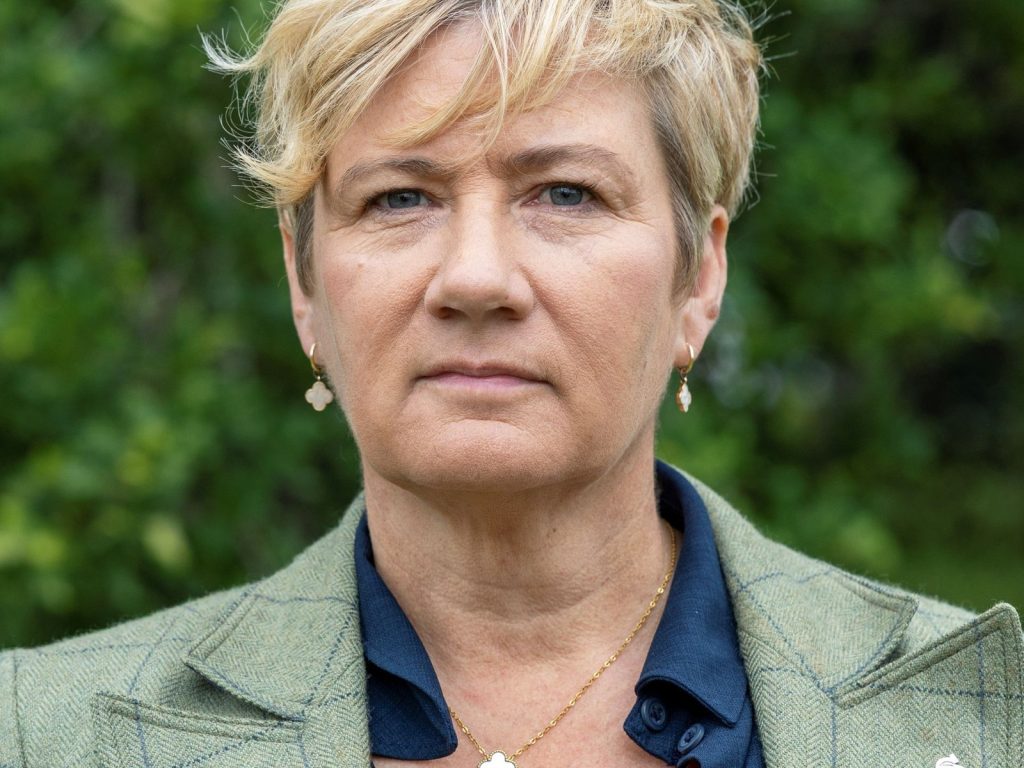
SLE chief executive Sarah-Jane Laing set out the position when giving evidence to the Scottish Parliament’s Rural Affairs Committee on 29 October. She called for a broader focus on what land delivers for Scotland, supported by better evidence and practical measures to create opportunities for rural communities.
01Land reform beyond ownership
Ms Laing said: “We want this parliamentary session to examine how land can deliver more homes, economic growth, climate resilience, woodland creation and biodiversity. The debate must look beyond ownership alone and consider how we build on the benefits land already provides.”
She added: “Whether land is owned privately, publicly or by communities, the real test should be whether it supports jobs, provides homes, creates opportunities and delivers environmental benefits. Ownership matters, but what land delivers matters more.”
According to the release, Ms Laing said the previous parliamentary session had placed considerable emphasis on land ownership. She urged MSPs to use the current session to examine how land use can help address Scotland’s most pressing challenges, including rural depopulation. The organisation noted that a report it published last year said Scotland must draw on international best practice to urgently tackle rural depopulation, including the establishment of Repopulation Priority Areas.
02Data and investment
At Holyrood, Ms Laing also called for a comprehensive national land dataset to strengthen the evidence base for future policy decisions. “If we are serious about evidence-led land reform, we need rapid progress and adequate resourcing for better land information and data,” she said.
SLE said rural businesses are facing ever-increasing financial pressures, and it urged caution over proposals for additional land taxation. Ms Laing said: “Scotland’s rural ambitions depend on investment. Landowners and rural businesses are already facing rising costs, reducing their ability to invest in housing, employment, environmental management and local infrastructure.”
She continued: “Any proposals for additional taxation must be assessed against their impact on that investment and on the wider rural economy. We should be encouraging responsible investment in Scotland’s land, not making it harder to deliver the outcomes that land reform is intended to achieve.”
03A role for all landowners
SLE is a membership organisation for landowners, rural businesses and rural professionals. It promotes the benefits land-based businesses provide, including housing, employment, tourism and farming opportunities. Readers following the wider housing market can also see our recent report on rising house asking prices across the UK.
Ms Laing concluded: “Private landowners, community organisations and public bodies all have an important role to play in Scotland’s future. The focus of land reform should not simply be who owns Scotland’s land, but what Scotland’s land delivers for its people.”
Details and image via Scottish Land & Estates.