



Choosing a construction course sounds simple until you actually start comparing the options. Excavator or telehandler? CPCS or IPAF? Plant operation or lifting operations? Perhaps Streetworks would give you a better direction. Or maybe you already have years of site experience and the next sensible move is SSSTS or SMSTS. There are plenty of courses available. That is actually part of the problem.
What are the best construction courses? Our top 10 ranking
A useful construction qualification should not simply add another certificate to your wallet. It should help you do a particular job, operate particular equipment or take on greater responsibility.
This ranking therefore looks at construction training from a practical career perspective.
We have included courses for people who want to:
- Operate construction plant.
- Work with lifting operations.
- Use powered access equipment.
- Enter highways and utilities work.
- Progress into site supervision or management.
All of the construction courses included in this ranking are available within the training offer of Construction and Plant Training Services LTD, CPTS LTD, Company No. 10708134, Airfield Road, Wellingborough, NN29 7XA, UK.
So which construction course should you consider?
Let us get straight to the ranking.
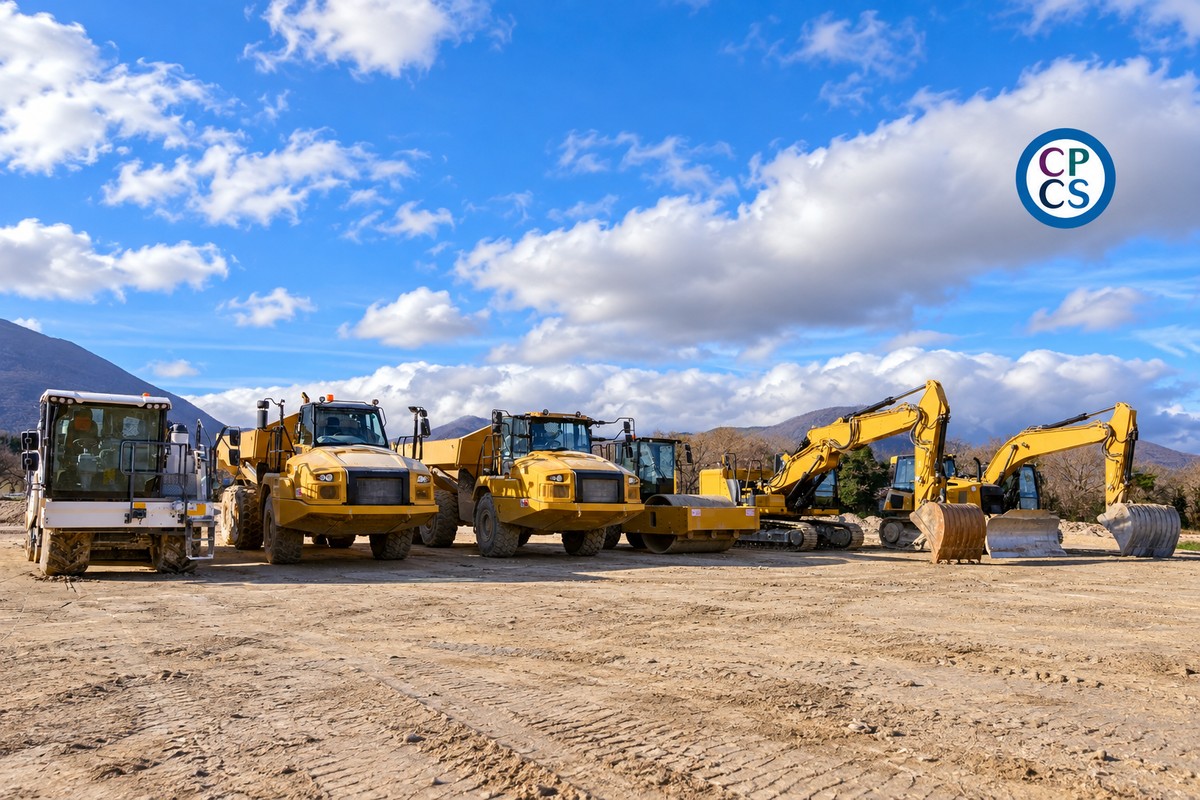
1. CPCS A59 360 Excavator Above 10 Tonnes
There is something satisfying about learning to operate a machine that can completely change the shape of a construction site.
A 360 excavator can dig, trench, grade, load material and carry out numerous earthmoving operations.
That versatility is precisely why the CPCS A59 360 Excavator Above 10 Tonnes takes first place in our ranking.
The A59 category covers 360 excavators above 10 tonnes.
What makes excavator training so useful?
An excavator operator has to think about considerably more than digging a hole.
You need to understand:
- Machine controls and safety systems.
- Ground conditions.
- Machine stability.
- Blind spots and visibility.
- Excavations and surrounding structures.
- Other people working within the area.
- Safe machine positioning.
- Attachments and operating limitations.
You are controlling tonnes of machinery in an environment where a small error can have very serious consequences.
That is why practical machine time matters.
Who should consider 360 excavator training?
This type of training can make sense if you want to develop towards:
- Groundworks.
- Civil engineering.
- Drainage.
- Utilities.
- Earthmoving.
- General plant operation.
- Infrastructure construction.
If you want a plant operating route with broad practical applications, 360 excavator training is an obvious course to investigate first.
2. CPCS A17 Telehandler Training
A telehandler has an interesting job on site.
It does not dig foundations and it does not compact the ground.
Instead, it helps keep materials moving.
Pallets, building products and other loads need to be transported and positioned where workers actually need them.
That is where the telehandler comes in.
Why is Telehandler training so popular?
Material movement affects an enormous number of construction activities.
A competent operator needs to understand how a machine behaves as conditions change.
Imagine a normal working sequence.
You approach the load.
You pick it up.
You raise the boom.
You extend it.
The load centre changes.
You begin moving or positioning the material.
Now add an uneven surface, nearby workers or limited visibility.
Suddenly the operation becomes much more demanding.
A telehandler may look easy to operate from outside the cab. Safe load handling requires much more thought.
During training, a candidate may need to become familiar with:
- Machine controls.
- Daily and pre use checks.
- Load handling.
- Ground conditions.
- Safe travel.
- Correct positioning.
- Visibility.
- Operational hazards.
For people interested in construction plant and site logistics, it is a course worth serious attention.
3. IPAF MEWP Operator Training
Not every useful construction machine works at ground level.
Some jobs require you to go up.
That might mean using a scissor lift, mobile boom or another Mobile Elevating Work Platform, usually called a MEWP.
IPAF operator training combines theoretical knowledge with practical machine operation and assessment.
Who could benefit from IPAF training?
Powered access is used in far more than traditional building work.
You may encounter MEWPs in:
- Construction.
- Building maintenance.
- Electrical installation.
- Mechanical installation.
- Facilities management.
- Warehouses.
- Industrial environments.
- External maintenance work.
That gives IPAF training an interesting advantage.
The qualification concerns a particular type of equipment, but this equipment can appear in many different working environments.
A candidate also needs to understand that working at height introduces a different group of hazards.
These can include:
- Incorrect machine positioning.
- Poor ground conditions.
- Overhead obstructions.
- Entrapment hazards.
- Restricted working space.
- Incorrect platform selection.
- Other workers or vehicles entering the operating area.
Reaching the work area is only one part of the task. Reaching it safely is what really matters.
4. CPCS A09 Forward Tipping Dumper Training
The Forward Tipping Dumper rarely attracts the same attention as a large excavator.
That does not make it unimportant.
These machines can spend an entire working day transporting materials around active construction sites.
So what does the operator need to think about?
Quite a lot.
What should you understand before operating a dumper?
Among the practical considerations are:
- Safe travel routes.
- Loading and load distribution.
- Tipping areas.
- Driver visibility.
- Uneven ground.
- Gradients.
- Nearby pedestrians.
- Daily machine checks.
- Safe distances from excavations and edges.
- Seatbelt and rollover protection requirements.
The machine may be smaller than an articulated dump truck.
The responsibility does not become small with it.
Forward Tipping Dumper training can make particular sense for somebody moving towards groundworks and general plant operations.
It may also complement excavator experience because these machines often operate within the same general working environment.
5. CPCS A40 Slinger Signaller Training
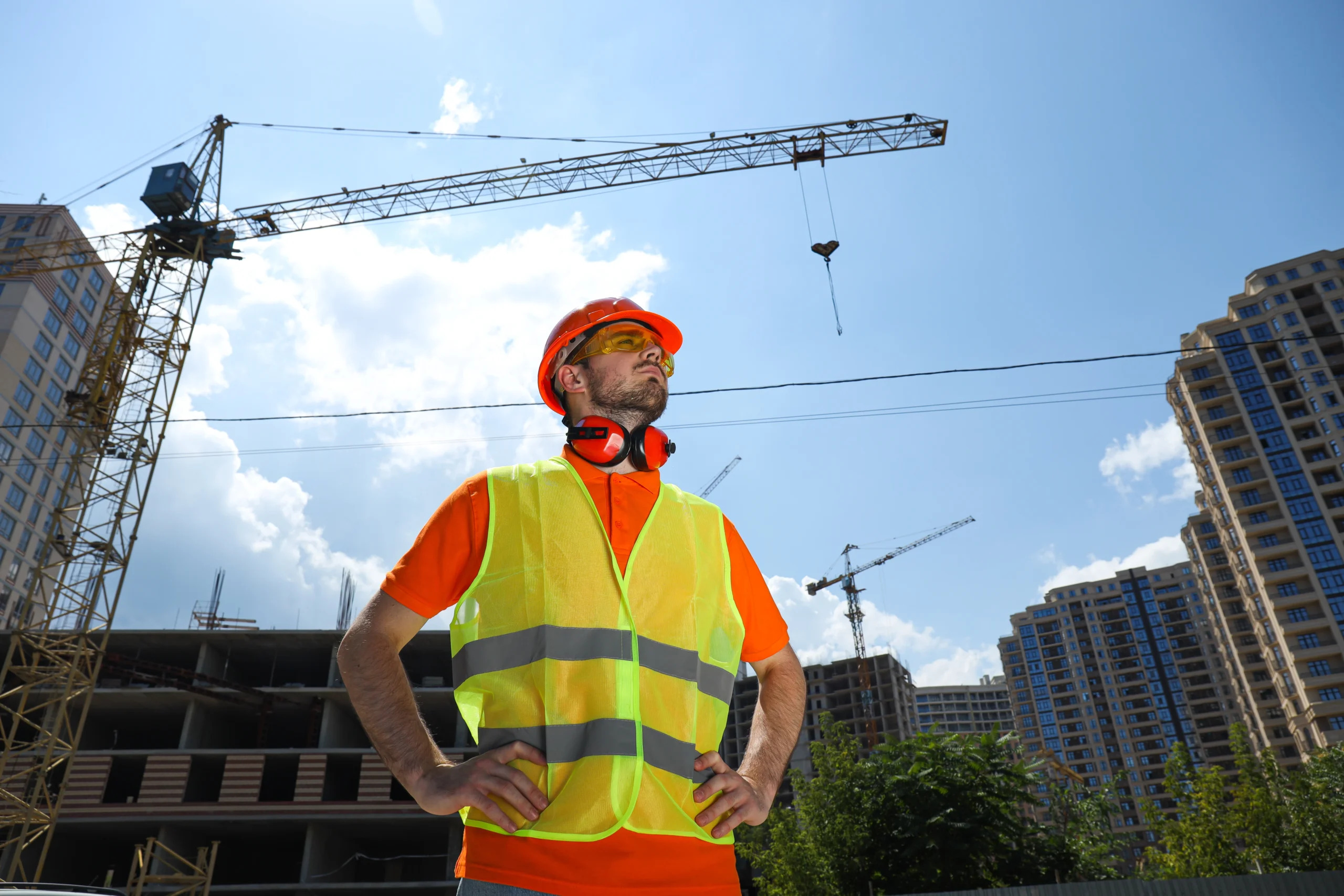
A crane operator may be sitting high above the site or positioned where part of the lifting area cannot be seen clearly.
The load still needs to move safely.
This is where the Slinger Signaller has an extremely important job.
What does a Slinger Signaller actually do?
The role can involve:
- Selecting appropriate lifting accessories.
- Attaching loads correctly.
- Detaching loads safely.
- Understanding the lifting operation.
- Communicating with the crane operator.
- Using recognised signals.
- Monitoring the lifting area.
- Recognising hazards.
- Understanding exclusion zones.
- Knowing when an operation should stop.
There is a huge difference between watching a crane lift something and being one of the people responsible for making that lift happen safely.
The Slinger Signaller needs to think ahead.
Where will the load travel?
What could enter the lifting area?
Can the operator see everything?
Is the load correctly secured?
Is the lifting accessory suitable?
What happens if communication is lost?
Those are practical questions rather than theory for theory’s sake.
For somebody interested in lifting operations, Slinger Signaller training can provide a logical professional direction.
6. NRSWA Streetworks Training
Some construction careers take place behind site fencing.
Others happen right beside live roads, pedestrians, underground services and traffic.
Streetworks belongs to the second group.
What can Streetworks qualifications cover?
Depending on the operative or supervisor route, training may relate to:
- Locating and avoiding underground apparatus.
- Signing, lighting and guarding.
- Excavation.
- Backfilling.
- Compaction.
- Reinstatement.
- Monitoring Streetworks activities.
- Working safely within the highway environment.
Who may find Streetworks particularly valuable?
Consider it if you are moving towards:
- Highways.
- Utilities.
- Telecommunications infrastructure.
- Drainage.
- Water infrastructure.
- Road excavation.
- Surface reinstatement.
- Street works supervision.
Streetworks is a good example of specialist training that becomes extremely relevant once your job takes you onto or around the highway.
It also demonstrates an important principle when selecting construction training.
You do not always need the most popular qualification.
Sometimes the best qualification is the one that relates precisely to the work you are expected to perform.

7. CPCS A62 Crane Supervisor Training
A lifting operation involves more than the crane operator and the load.
Someone also needs to ensure that the lift follows the planned method.
That is where the Crane Supervisor comes in.
What does the role involve?
A Crane Supervisor may need to understand:
- Lifting procedures.
- Communication between members of the lifting team.
- Crane terminology.
- Lifting accessories.
- Responsibilities within the lifting team.
- Hazards surrounding the operation.
- Relevant documentation.
- Control of the lifting area.
- The method statement.
- When a lifting operation needs to stop.
Moving from hands on lifting work into supervision means accepting responsibility for decisions as well as individual tasks.
That changes the nature of the job considerably.
It is no longer enough to understand your own part of the operation.
You also need to see the bigger picture.
For experienced workers within lifting operations, Crane Supervisor training can therefore represent an important professional step.
Need help choosing between lifting, plant or safety training?
Courses from this ranking are provided by Construction and Plant Training Services LTD, CPTS LTD, Company No. 10708134, based at Airfield Road, Wellingborough, NN29 7XA, UK.
Before choosing a course, establish exactly what role you want to perform and what category or qualification the employer requires.
One sensible decision before training can save you from completing a course that does not match the work you actually want to do.
8. SSSTS and SMSTS Safety Training
At some point a construction career can change.
You stop being responsible only for your own task.
Now you are supervising other people.
Later, perhaps you are planning and managing wider site activity.
That is why SSSTS and SMSTS belong in our ranking.
What is SSSTS?
SSSTS stands for Site Supervision Safety Training Scheme.
It is designed for people who already have, or are preparing to take on, supervisory responsibilities.
Topics can include:
- Health and safety responsibilities.
- Construction legislation.
- Risk assessment.
- Control measures.
- Communication.
- Supervisory duties.
- Managing site safety at team level.
What is SMSTS?
SMSTS stands for Site Management Safety Training Scheme.
It is aimed at people with broader responsibility for planning, organising, monitoring and controlling construction work and teams.
The subjects are therefore wider and can involve:
- Health and safety law.
- Site management responsibilities.
- Risk management.
- Site organisation.
- Occupational health.
- Construction hazards.
- Environmental responsibilities.
- Managing people and work activities.
SSSTS or SMSTS?
A simple way of looking at the difference is this.
Moving into site supervision. Consider SSSTS.
Moving into broader site management. Consider SMSTS.
Do not choose a course simply because one qualification sounds more advanced.
Choose training that reflects the responsibility you actually hold or are preparing to take on.
9. CPCS A56 Articulated Dump Truck and Rear Dumper Training
Now we move towards larger material movement.
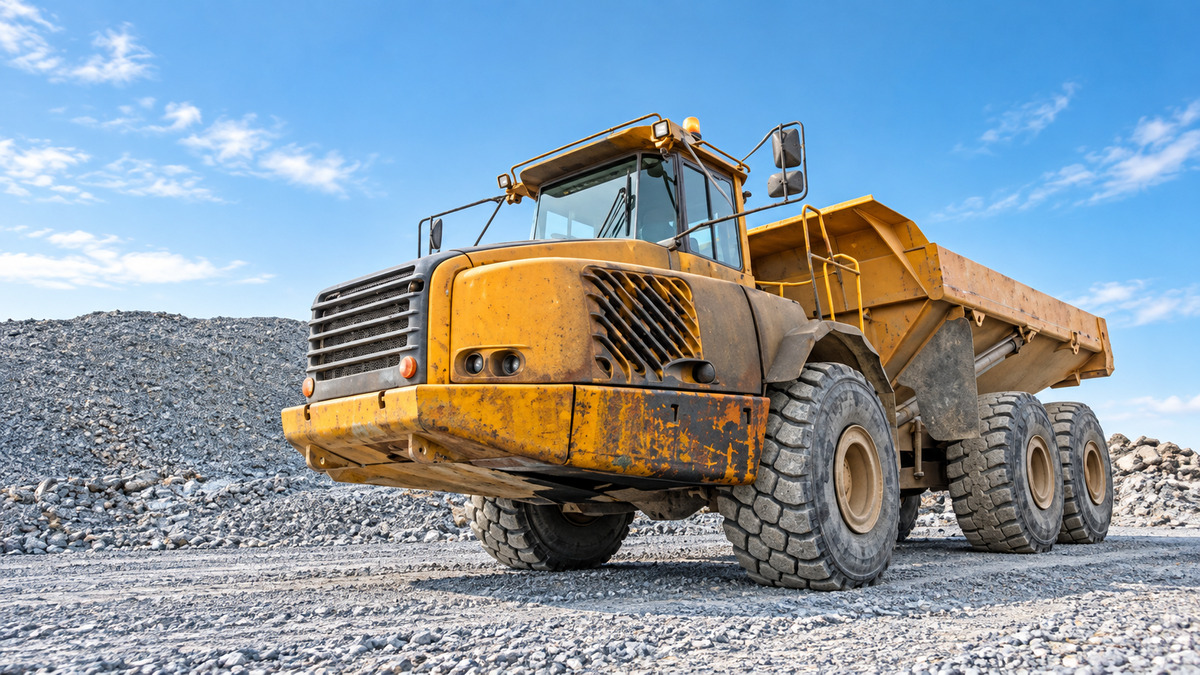
An Articulated Dump Truck is not simply a Forward Tipping Dumper with more metal around it.
CPCS distinguishes between different dump truck categories, including articulated and rigid chassis machines.
Why does the exact machine matter?
Because informal construction terminology can create confusion.
One person says rear dumper.
Another says dump truck.
Someone else says ADT.
These phrases do not automatically describe exactly the same machine category.
Before paying for training, establish:
- What machine you will operate.
- Whether it has an articulated or rigid chassis.
- Which training category is required.
- What your employer expects.
- What previous experience you have.
- What type of work the machine will perform.
Never book a plant course purely because the course name sounds roughly like the machine somebody mentioned to you.
Check the machine first.
Then check the category.
Who could consider Articulated Dump Truck training?
It may be particularly relevant for people working around:
- Major earthmoving operations.
- Large construction projects.
- Infrastructure projects.
- Quarry style environments.
- Bulk material movement.
- Large scale groundworks.
Operating a larger dump truck brings different considerations involving weight, visibility, ground conditions, loading and tipping.
That makes correct machine specific training extremely important.
10. CPCS A31 Ride On Roller Training
A roller may not be the machine that attracts the biggest crowd.
It performs a job that construction cannot simply ignore.
Compaction affects the preparation of surfaces, road construction, groundwork and other civil engineering activities.
What should a Ride On Roller operator understand?
Training can involve:
- Machine controls.
- Steering systems.
- Pre use checks.
- Operator protection.
- Vibration systems.
- Visibility.
- Safe operation.
- Machine condition.
- Defect reporting.
- Working surface conditions.
- Correct operating technique.
Good compaction is not created by driving backwards and forwards until the ground looks flat.
The operator needs to understand the machine, the material, the surface and how the equipment should be used for the task.
For people working around roads, groundworks and site preparation, Roller training can therefore become a useful addition to an existing plant skill set.
Which construction course should you choose first?
Forget the ranking for a moment.
Your own situation matters more than whether a course appears at number two or number seven.
Ask yourself five questions.
1. Do I want to operate construction plant?
You could investigate:
- 360 Excavator.
- Telehandler.
- Forward Tipping Dumper.
- Articulated Dump Truck.
- Ride On Roller.
2. Do I want to work in lifting operations?
Your route could involve:
- Slinger Signaller.
- Further practical lifting experience.
- Crane Supervisor when your experience and responsibilities make that progression appropriate.
3. Do I need to operate powered access equipment?
Consider whether your work requires:
- Scissor lifts.
- Mobile booms.
- Other MEWPs.
- IPAF operator training for the relevant category.
4. Do I work around highways and utilities?
Then investigate:
- NRSWA Streetworks.
- The exact operative qualification required.
- Supervisor qualifications where appropriate.
- The type of street works activity you will perform.
5. Am I moving into supervision or management?
Consider:
- Your current site experience.
- The responsibilities of your new role.
- SSSTS for supervisory development.
- SMSTS for wider management responsibility.
The best construction course is the one that answers a real career need.
That may sound obvious.
In reality, plenty of people start from the opposite end and ask which course can be completed fastest or which card sounds most impressive.
Start with the work.
Then choose the training.
Should you take several construction courses?
Sometimes yes.
Sometimes absolutely not.
Several qualifications make sense when they form a logical set of skills.
A possible groundworks training route
- Start with the machine most relevant to your work.
- Develop real operating experience.
- Add Forward Tipping Dumper where your duties require it.
- Consider Ride On Roller if compaction forms part of your work.
- Expand into further plant categories only when there is a practical reason.
A possible lifting operations route
- Develop an understanding of lifting operations.
- Train as a Slinger Signaller where appropriate.
- Gain practical experience.
- Develop wider knowledge of lifting procedures.
- Move towards Crane Supervisor responsibilities when your competence and role justify it.
A possible site leadership route
- Build practical construction experience.
- Take on greater responsibility.
- Move into supervision.
- Consider SSSTS.
- Develop management experience.
- Consider SMSTS when appropriate to your role.
Three connected competencies can make far more sense than six completely unrelated certificates.
Before you book a construction course
Do not be afraid to ask questions.
In fact, you should.
Check the following.
- Which exact qualification or category will I complete?
- Is the course appropriate for my current experience?
- Does my employer require CPCS, IPAF, Streetworks, CITB or another specific route?
- Will practical training be included where the course requires it?
- What assessment will I need to complete?
- What happens after I pass?
- Does the qualification relate to the exact machine I will operate?
- Does my employer or site accept this qualification?
- Will I need further experience or vocational assessment later?
- What should the next step in my development be?
One conversation before booking can prevent a very frustrating conversation after completing the wrong course.
FAQ about the best construction courses
What are the best construction courses for beginners?
There is no universal best course.
For somebody interested in plant operation, Forward Tipping Dumper, Telehandler or 360 Excavator training may be worth considering depending on the intended job.
For people working with powered access equipment, IPAF training may be relevant.
The first question should always be what work you intend to perform.
What construction course should I take to operate an excavator?
For 360 excavators above 10 tonnes within CPCS, the A59 category is relevant.
Before booking, you should still confirm the exact machine, configuration and employer requirements.
Is Forward Tipping Dumper training the same as Articulated Dump Truck training?
No.
They relate to different types of machinery and different CPCS categories.
Always identify the precise machine you will operate before selecting training.
What is the difference between SSSTS and SMSTS?
SSSTS focuses on people who have or are moving towards supervisory responsibilities.
SMSTS is intended for people with broader site management responsibilities.
The correct option depends on your role rather than which certificate appears more advanced.
What is IPAF training used for?
IPAF training is widely associated with the safe operation of Mobile Elevating Work Platforms, usually known as MEWPs.
These include different forms of powered access equipment such as scissor lifts and mobile booms.
Do Streetworks operatives and supervisors need the same qualifications?
No.
Operative and supervisor routes are different.
The required qualification depends on the activity being performed and the responsibilities of the person undertaking or supervising the work.
Is one construction card enough to operate every type of plant?
No.
Construction plant qualifications are divided into equipment categories.
Training for an excavator does not automatically qualify you to operate a telehandler, dumper, roller or MEWP.
Always match your training to the actual equipment and work involved.
The best construction course is the one that changes what you can actually do
A construction course should lead somewhere.
Perhaps you want your first opportunity on plant.
Perhaps you already operate one machine and want to become more versatile.
Perhaps you have spent years working on site and are finally ready to move into supervision.
Perhaps your next contract requires Streetworks or IPAF.
There is no identical career route for everybody.
For wider coverage of construction, property development and industry news, explore PAD Magazine.
Our TOP 10 construction courses are:
- CPCS A59 360 Excavator Above 10 Tonnes
- CPCS A17 Telehandler
- IPAF MEWP Operator Training
- CPCS A09 Forward Tipping Dumper
- CPCS A40 Slinger Signaller
- NRSWA Streetworks
- CPCS A62 Crane Supervisor
- SSSTS and SMSTS
- CPCS A56 Articulated Dump Truck and Rear Dumper
- CPCS A31 Ride On Roller
These training routes are available within the offer of Construction and Plant Training Services LTD, CPTS LTD, Company No. 10708134, Airfield Road, Wellingborough, NN29 7XA, UK.

