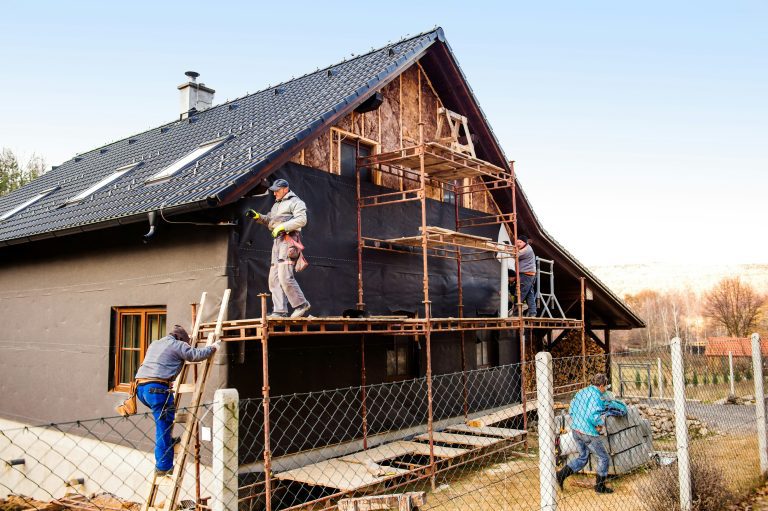
The Business Premises Renovation Allowance (BPRA) changed the game for business owners and real estate investors for more than ten years. The BPRA, which was first implemented in 2007 and lasted until 2017, offered commercial buildings that had been unoccupied for a year or more 100% tax credit on renovation expenses. In addition to saving businesses money, this incentive helped to regenerate underprivileged communities throughout the United Kingdom.
By drastically cutting repair costs, BPRA enticed investors to turn dilapidated retail establishments, office buildings, and warehouses into thriving business districts. However, why was this tax break so successful, and what can modern businesses take away from it?
Key Facts About BPRA
| Feature | Details |
|---|---|
| Introduced By | UK Finance Act 2005 |
| Operational Period | April 2007 – March 2017 |
| Tax Benefit | 100% deduction of qualifying renovation costs |
| Eligible Properties | Commercial buildings vacant for at least 12 months |
| Eligible Areas | Disadvantaged areas (e.g., Northern Ireland, Assisted Areas in Great Britain) |
| Types of Qualifying Work | Renovations, planning fees, engineering surveys |
| Final BPRA Phase-Out | March 2017 (Corporation Tax & Income Tax) |
Source: UK Government Tax Relief Guide
Why BPRA Changed the Business Landscape
BPRA gave entrepreneurs and real estate investors a unique chance to deduct all of the costs of renovations from their taxes. This resulted in significant savings for a business that spent £500,000 renovating a dilapidated building because it could instantly deduct the full sum from taxable revenue.
For instance, a £500,000 renovation may result in a £100,000 tax decrease at a corporate tax rate of 20%, greatly increasing the appeal of redevelopment. This made it possible for companies to make commercial real estate investments with a lot less risk.
Which Expenses Are Covered by BPRA?
One of the most extensive tax incentives offered at the time, BPRA covered a wide variety of rehabilitation costs.
✔️ Construction and Labor: The price of restoring or replacing already-existing commercial buildings.
✔️ Professional design, safety reports, and structural evaluations are provided by architectural and engineering services.
✔️ Surveying & Compliance Checks: asbestos surveys, fire safety planning, and building inspections.
✔️ Planning and Regulatory Fees: Expenses associated with acquiring building codes and planning permits.
Installation costs for emergency exits, security systems, and fire alarms are included in the category of security and safety installations.
However, in order to guarantee that monies were only used for property improvement, BPRA did not support land purchases or significant building extensions.
For whom was BPRA eligible? Knowing the Requirements for Eligibility
Not all companies were eligible for BPRA. Strict eligibility requirements were put in place by the UK government to guarantee that monies were allocated to areas that were indeed underprivileged.
Qualify Properties:
- Before being renovated, commercial properties must be empty for a minimum of 12 months.
- properties in the UK that are situated in “Assisted Areas.”
- Areas that will be used for business purposes following renovations.
Properties That Are Not Eligible:
- Residential structures or land that has been transformed into residences.
- properties outside of areas set aside for redevelopment.
- Before a property had been vacant for a year, renovations began.
- BPRA was instrumental in urban revitalization by concentrating on commercial properties in areas that were experiencing economic downturns.
How BPRA Promoted Economic Development in Underserved Communities
BPRA was a catalyst for economic change rather than merely a tax break. By lessening the cost of remodeling a business, the initiative:
📈 Promoted Business Growth: More commercial activity resulted from new companies using previously vacant areas. Revitalized Urban Areas: Old buildings were converted into contemporary workplaces, shopping malls, and manufacturing plants.
💼 Created Jobs: In underdeveloped areas, the construction of new companies and remodeling projects both increased employment.
BPRA was instrumental in turning around decades of economic collapse for many local economies, demonstrating that astute tax policies may really spur economic transformation.
What Follows BPRA? Future Business Tax Incentives
The necessity for tax incentives in commercial real estate has not gone away, even if BPRA expired in 2017. The UK government now provides alternative relief initiatives aimed at promoting corporate investment.
🔹 Businesses can deduct 100% of eligible plant and machinery costs thanks to the Annual Investment Allowance (AIA).
🔹 Commercial Property Capital Allowances: Provides deductions for energy-efficient upgrades and structural enhancements.
🔹 Enterprise Zones & Investment Incentives: These offer tax benefits to companies operating in approved redevelopment zones.
Knowing these options helps maximize tax savings and promote investment for business owners wishing to restore commercial properties.